Share It On:
 Navigating the real website design cost for entrepreneurs in 2026—from AI tools and simple landing pages to complex enterprise platforms.
When building a digital home for your brand, the first question popping into your head is likely: "How much is this going to set me back?" Honestly, it’s a bit like asking how much a house costs—it depends on whether you're looking for a cozy studio or a sprawling mansion with a smart security system.
The web design cost landscape has shifted quite a bit lately. With AI in web design becoming a standard tool for prototyping and UI design trends leaning toward hyper-personalization, the numbers look a little different than they did a couple of years ago. Let’s break down the actual numbers so you can stop guessing and start budgeting.
How much does it cost to design a website?
In 2026, the average website design cost is driven more by functionality and "vibe" than just the number of pages. Whether you need a simple landing page or a massive digital storefront, here is a quick look at what you’re likely to pay.
1. Cost Based on Project Type
Not all websites are created equal. The cost of web page design varies based on what you need the site to do.
| Project Type | Estimated Cost (2026) | Description |
|---|---|---|
| Landing Page | $500 – $2,500 | A single, high-conversion page. Perfect for testing a new product idea or running a specific ad campaign. |
| Small Business Site | $2,000 – $10,000 | Usually 5–10 pages. Includes "About," "Services," and a contact form. Essential for local credibility. |
| Ecommerce Store | $5,000 – $50,000+ | High ecommerce web design cost due to product databases, secure payments, and inventory sync. |
| SaaS / Web App | $25,000 – $150,000 | Interactive platforms with user logins, dashboards, and complex backend logic. |
2. Cost Based on Business Size
Your company's scale often dictates the level of polish, security, and strategy required, which moves the needle on the cost of web design.
| Business Size | Typical Budget | Focus Area |
|---|---|---|
| Solopreneur / Startup | $1,500 – $5,000 | Speed to market and "looking the part" without breaking the bank. |
| Small Business (SMB) | $5,000 – $20,000 | Lead generation, local SEO, and professional web design services cost. |
| Mid-Market Company | $25,000 – $75,000 | Custom integrations, deep UI/UX strategy, and brand storytelling. |
| Enterprise | $100,000+ | Scalability, multi-language support, and 24/7 security monitoring. |
3. Global Regional Comparison
Where your team is sitting has a massive impact on how much does web design cost. Thanks to the remote work boom, you can hire talent globally, but local market rates still vary wildly.
| Region | Small Business Site | E-commerce Store | Custom Web App |
|---|---|---|---|
| USA / Canada | $3,000 – $10,000 | $15,000 – $50,000 | $50,000 – $150,000+ |
| UK / Western Europe | £2,500 – £8,000 | £10,000 – £35,000 | £40,000 – £120,000+ |
| India / SE Asia | $1,000 – $3,500 | $5,000 – $15,000 | $15,000 – $40,000+ |
4. Recurring "Hidden" Costs
Building the site is just the first step. To keep it from becoming a digital dinosaur, you need to account for annual upkeep. Even a low cost web design project has these baseline expenses.
| Expense Item | Estimated Annual Cost | Why You Need It |
|---|---|---|
| Domain Name | $15 – $60 | Your digital address (e.g., .com, .io). |
| Web Hosting | $120 – $1,200 | Renting "space" on the internet to store your files. |
| SSL Certificate | $0 – $250 | Security encryption (most hosts give this for free now). |
| Maintenance | $500 – $5,000 | Fixing bugs, updating plugins, and basic security patches. |

Web Design Cost Based on Service Provider
Who you hire is probably the biggest "swing factor" for the cost of web design. You can go the DIY route for the price of a few lattes, or you can hire a top-tier firm that charges like a luxury dealership.
1. The DIY Builder Route
Using platforms like Wix or Squarespace is the ultimate low cost web design move. You’ll pay roughly $20–$100 per month for the subscription. It’s great for testing the waters, but remember: your time is money too, and "off-the-shelf" looks can sometimes feel a bit basic.
2. Solo Freelance Designers
This is the sweet spot for many. The web design cost per hour for a solid freelancer typically ranges from $50 to $150. For a full project, expect to pay anywhere from $2,000 to $10,000. You get direct communication, but you're also relying on one person's bandwidth.
3. Boutique Design Studios
These are small teams (usually 2-10 people) that offer more "soul" than big agencies but more horsepower than a solo dev. Their web design services cost usually starts around $8,000 to $20,000. They focus heavily on UI design trends and brand storytelling.
4. Full-Service Web Design Companies
If you want a literal army of strategists, designers, and devs, you’re looking at web design pricing guide territory starting at $25,000. These firms handle the heavy lifting, from complex backend logic to advanced AI in web design integrations.
5. Specialized E-commerce Agencies
If your goal is a high-volume shop, go for specialists. Because of the technical "plumbing" involved, the ecommerce web design cost here can easily hit $30,000+, but they ensure your checkout flow is a conversion machine.
6. Low-Cost Outsourcing Models
Hiring from a low cost web design company in regions like SE Asia or Eastern Europe can slash your bill by 50-70%. You can get a professional site for under $2,000, though you’ll need to be very clear with your project brief to avoid "lost in translation" moments.
How to Reduce Web Design Costs Without Compromising Quality
Look, we all want a "Gucci" website on a "Gap" budget. It’s totally doable if you’re savvy about where you cut corners. Here is how to keep your web design budget tips in check:
1. Start with High-End Templates
Instead of paying for a 100% bespoke "built from scratch" site, have your designer customize a premium theme. It slashes the cost of web page design significantly while still giving you a unique feel. It’s like buying a high-end suit and getting it tailored—it looks custom, but the foundation was already there.
2. Be Your Own Content Creator
If you provide the copy, high-res photos, and brand assets, your designer doesn’t have to play "detective" or hire a copywriter. This can save you thousands. Just make sure your writing doesn't sound like a dry manual—keep it snappy!
3. Lean into an MVP (Minimum Viable Product)
You don’t need 50 pages and a custom calculator at launch. Start with a lean 5-page site. Get it live, see how people use it, and then add more features later. This keeps the initial average website design cost low and manageable.
4. Leverage AI for Asset Generation
Ask your provider if they use AI in web design for things like generating placeholders, cleaning up images, or drafting layout prototypes. It speeds up the workflow, which should—ideally—reflect in a lower bill.
5. Choose Open-Source Platforms
Using WordPress or a similar CMS avoids hefty monthly "platform taxes" or licensing fees. You’ll still have a low cost web design foundation that is incredibly powerful and easy to update yourself.
6. Limit Custom Animations
We all love fancy "parallax" scrolling and micro-interactions, but they take hours to code. If you're on a budget, stick to clean website design trends that focus on typography and color rather than heavy motion design.
Factors to Consider When Determining Web Designer Charges
When you see a quote that looks a little "spicy," it’s usually because of these underlying factors. Understanding these helps you navigate any web design pricing guide like a pro.
1. Technical Complexity and Logic
An ecommerce web design cost is always higher because of the "plumbing"—payment gateways, inventory management, and data security. Similarly, plumbing web design services cost might be lower because the focus is on local SEO and booking forms rather than a 1,000-product catalog.
2. Number of Unique Layouts
Designing a homepage is one thing; designing 15 unique internal templates for blogs, case studies, and portals is another. Each unique layout adds design hours and testing time, pushing up the cost of web design.
3. Mobile Responsiveness and Testing
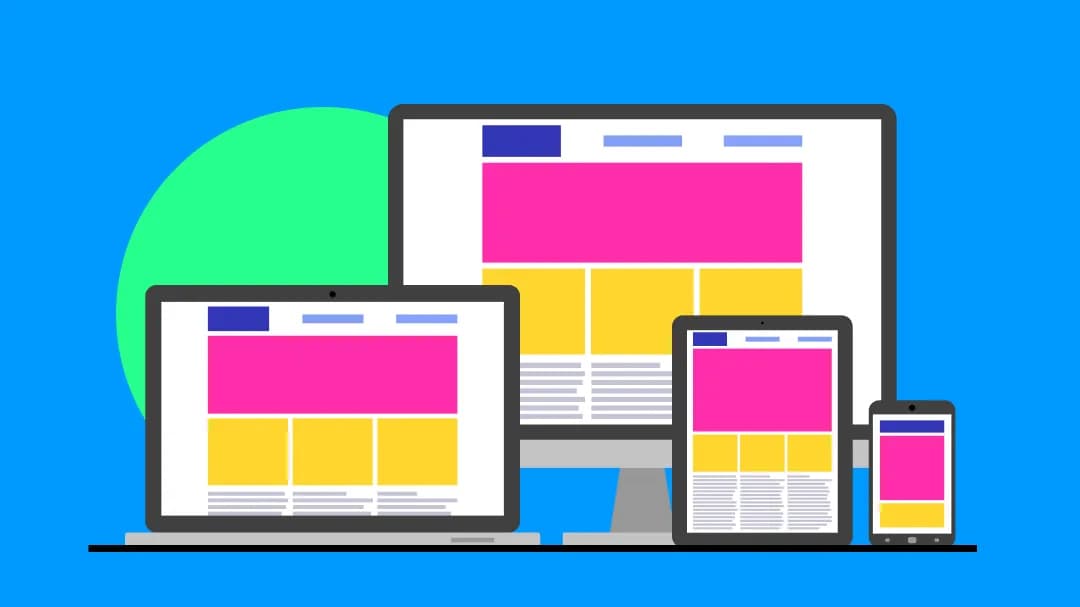
In 2026, the cost for responsive web design isn't an "add-on"—it's the whole game. Your site has to look fire on a smartphone, a tablet, and a 27-inch monitor. The more devices and browsers the designer has to test on, the higher the charge.
4. SEO-Ready Architecture
A site that looks pretty but doesn't rank is just a digital paperweight. High-quality web design cost for small business packages usually include "technical SEO"—meaning clean code, schema markup, and fast load speeds—to ensure Google actually likes you.
5. Third-Party Integrations
Do you need your site to talk to your Salesforce CRM, HubSpot, or a custom inventory tool? Building these "bridges" (APIs) takes specialized dev time. The more "talkative" your website needs to be with other software, the higher the price.
6. Future Scalability
If you plan to go from 100 visitors to 100,000 in a year, you need a site built on a "beefy" architecture. Planning for that growth from Day 1 adds a premium to the initial build but saves you from a total (and expensive) rebuild in 12 months.
Conclusion
At the end of the day, your web design cost is an investment, not just an expense. In a world where your potential customers judge your entire brand's credibility in about 0.05 seconds, having a "meh" website is basically leaving money on the table.
Are you looking for a quick, low cost web design to just get your foot in the door, or are you ready to build a high-converting machine that works while you sleep? The "right" price is the one that aligns with your business goals. So, stop sweating the sticker price and start thinking about the ROI. After all, what’s the cost of not having a site that actually converts?
Frequently Asked Questions
How much does web design cost for a typical small business in 2026?
For most, the web design cost for small business projects ranges from $3,000 to $8,000. This usually covers a professional, mobile-ready site with 5–10 pages, basic SEO, and a contact form to help you snag those local leads.
Why is the ecommerce web design cost so much higher?
An ecommerce web design cost reflects the extra layers of security and logic required. You’re paying for product databases, secure checkout flows, and tax integrations. It’s a complex "selling machine" rather than just a digital brochure, hence the higher price.
Can I find a low cost web design company that actually delivers?
Yes, but do your homework! A low cost web design company often uses pre-made templates to save time. If your needs are simple, this is a total win. Just ensure they prioritize the cost for responsive web design so it works on mobile.
What is the average web design cost per hour for a professional?
The web design cost per hour usually lands between $75 and $150 for experienced pros. While you might find lower rates globally, remember that you’re paying for their expertise in UI design trends and their ability to solve problems fast.
Is AI making the cost of web design go down?
Ai in web design is definitely speeding things up, which can lead to low cost web design services for basic sites. However, for high-end projects, AI is just a tool that designers use to create even more complex, personalized experiences.

Uncover executable insights, extensive research, and expert opinions in one place.
Related Content