A list of the best minds in the Tech space under 40 that are reshaping the way we see the industry
About
View Reports:
This report is the culmination of months of exhaustive research, debate, and deep-dive analysis into the global tech ecosystem. We moved past the PR and the viral headlines to identify the leaders who are truly moving the needle. Our team analyzed market shifts, scrutinized product roadmaps, and tracked the real-world impact of hundreds of candidates to arrive at this final selection.
The list is a curated chronicle of the most consequential minds in technology today. These are the architects, the disruptors, and the titans who are not just navigating the future—they are writing the code for it. Selected for their substance, their resilience, and their ability to execute at scale, this is the class that defined 2025.
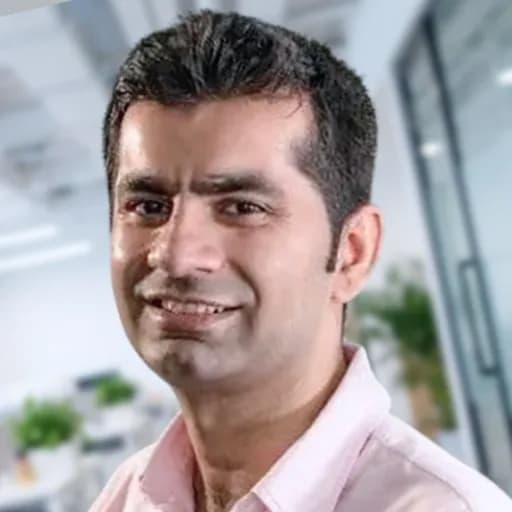
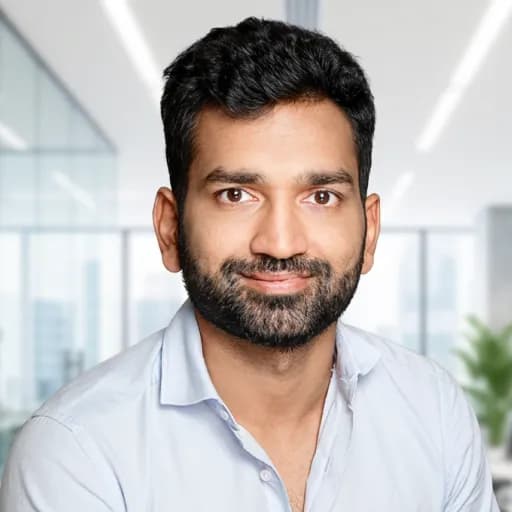
Aravind is the guy keeping Google awake at night. In 2025, he took the gloves off with a new "zero-ad" advertising model. Instead of showing you blue links, Perplexity's AI agents now "bid" for your attention on the backend, fundamentally changing how brands reach consumers. He's betting that the future of search isn't a list of websites, but a direct answer where the highest bidder helps you solve a problem, not just sell you a product.
1. Aravind Srinivas
Co-founder & CEO, Perplexity
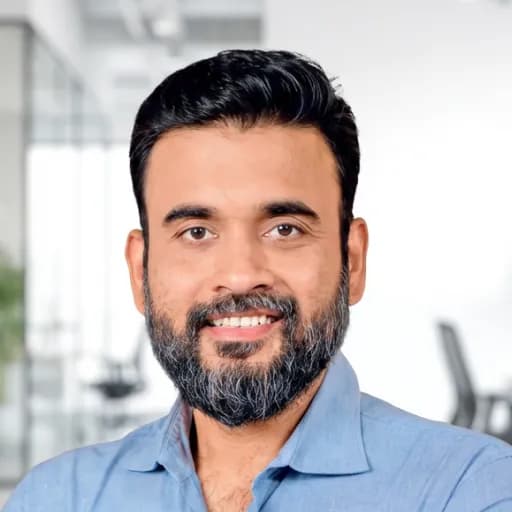
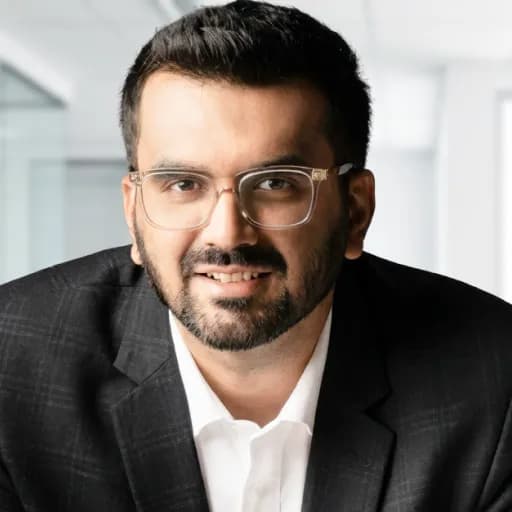
Ives has officially blurred the line between coding and directing. Following the merger of CodeSandbox into the AI powerhouse TogetherAI in late 2024, he spent 2025 revolutionizing agentic workflows. He's not just building better IDEs anymore; he's architecting environments where AI developers write, test, and deploy their own software. His work this year has given engineers a new superpower: the ability to manage armies of autonomous coding bots rather than just typing syntax.
2. Ives Van Hoorne
Co-Founder at CodeSandbox & Engineering Director at TogetherAI
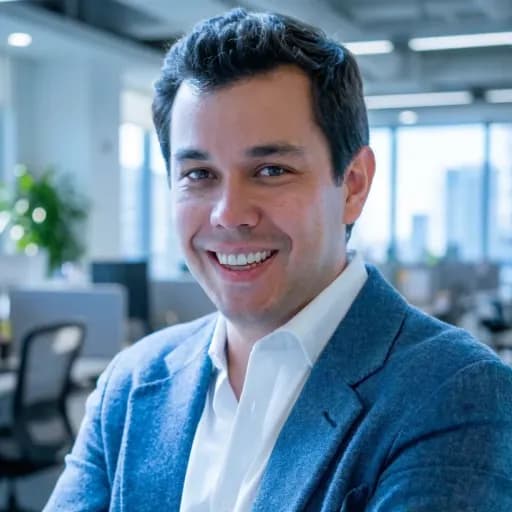
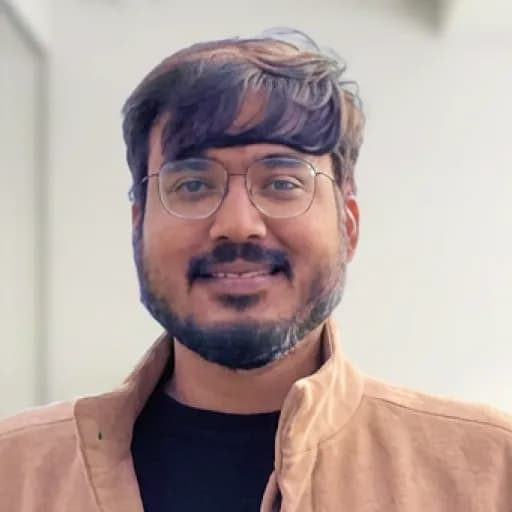
Talk about a power move. In March 2025, Whitney shocked the industry by stepping back into the CEO role at Bumble, reclaiming the reins she had briefly handed over. She wasted no time shaking things up, immediately pushing for AI-driven "dating concierges" to help users navigate burnout. Her return signals a massive shift in strategy: she's determined to prove that high-tech algorithms can still foster genuine human connection, even as dating apps face an existential crisis.
3. Whitney Wolfe Herd
CEO at Bumble
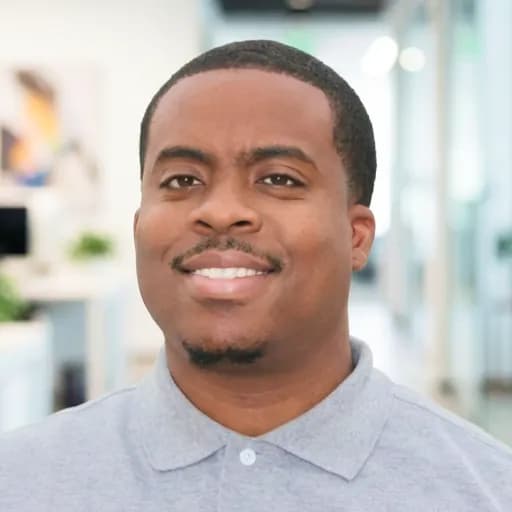
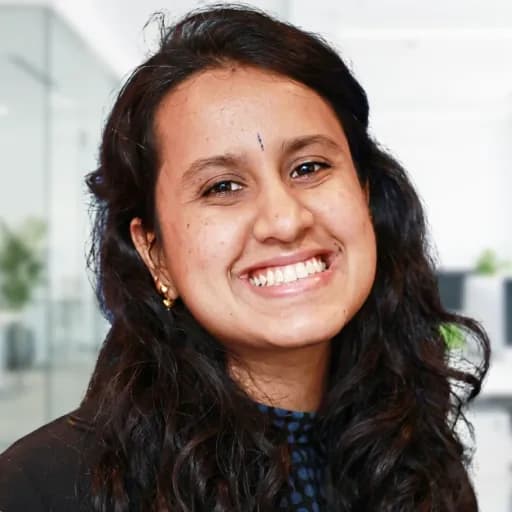
Rodrigo is using code to close the medication gap. As Head of Mobile at Scene Health, he's the architect behind their "Video Directly Observed Therapy" (video DOT) platform. He's building the app that lets patients record themselves taking critical meds. His tech ensures patients with serious conditions like TB stay on track without intrusive in-person visits. He's proving that the best healthcare often happens right in your pocket, drastically reducing hospital readmissions.
4. Rodrigo Fontes
Head of Mobile, Scene Health
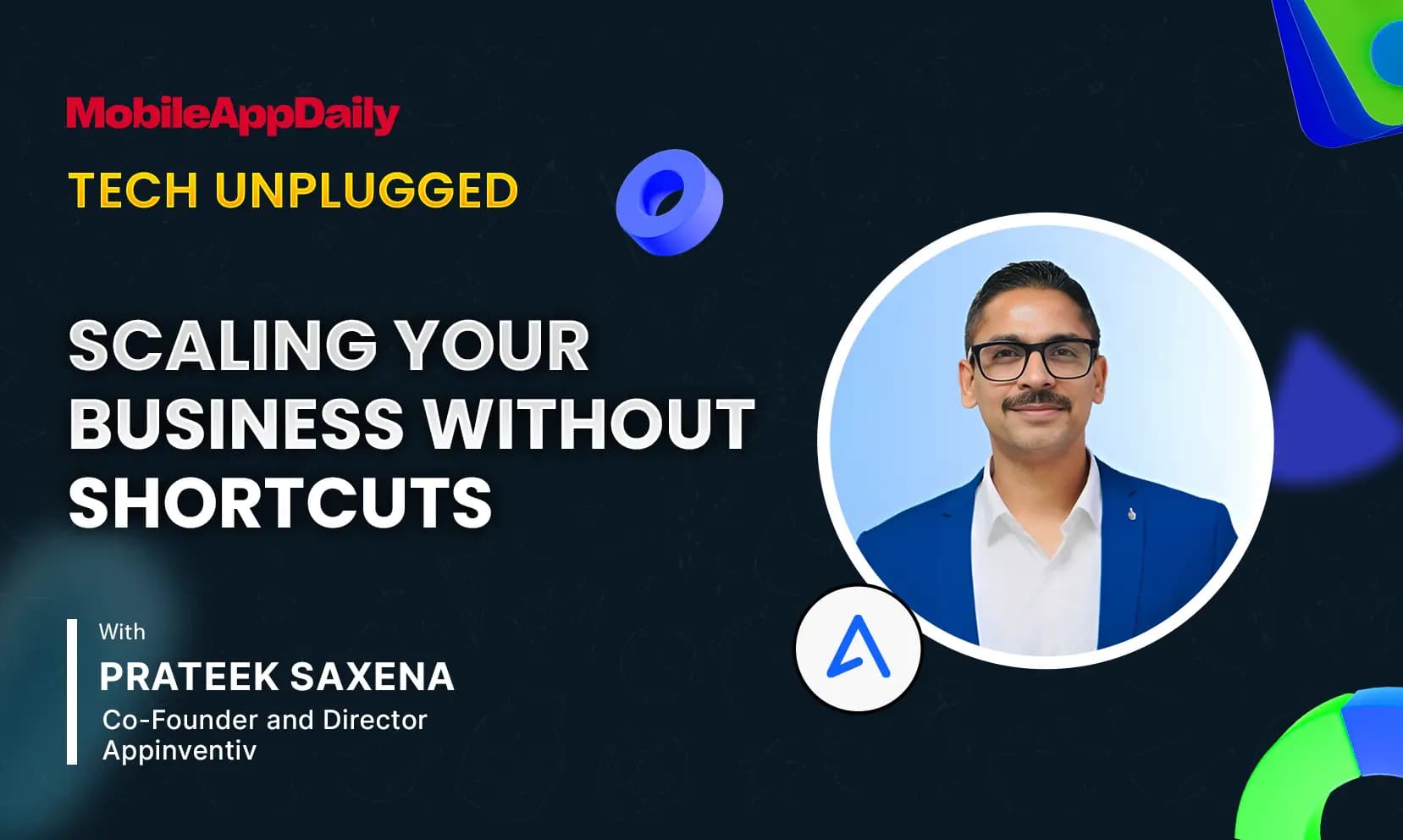
Prateek is the quiet architect behind the scenes. In 2025, Appinventiv landed on the Deloitte Fast 50 list for the second year running. He has steered the company from a service shop to a digital transformation powerhouse, helping legacy enterprises integrate complex AI solutions. He's the guy big traditional companies call when they realize they need a tech overhaul to survive.
5. Prateek Saxena
Co-founder & Director at Appinventiv
Leaving the safety of a Director role at Semantix was a gamble, but for Lucas, 2025 was about breaking the "black box." He launched Wabee AI with a singular mission to let non-technical founders build complex AI applications using plain English. He's betting that the next Zuckerberg won't need to know Python, just how to prompt. His platform has become the go-to "translation layer" for businesses desperate to adopt Generative AI without hiring an expensive engineering team.
6. Lucas Bonatto
Founder at Wabee AI
Nenad is tired of security teams playing defense. In 2025, he aggressively pushed the concept of "Offensive AI" into the mainstream. His platform, Trickest, doesn't just scan for bugs; it simulates the mindset of a hacker to predict attacks before they happen. By automating the "red team" process, he's giving companies a way to pressure-test their own systems continuously. He's effectively turned cybersecurity from a gatekeeper into a competitive advantage for fast-moving tech firms.
7. Nenad Zaric
CEO and Co-founder at Trickest
Danish has spent 2025 democratizing the startup hustle. His platform, Startuptools.ai, evolved from a simple planning tool into a full-stack "AI Co-Founder." This year, he rolled out features that don't just generate business plans but actively challenge founders on their logic, acting like a rigorous VC in your pocket. He's stripping away the mystique of entrepreneurship, providing first-time founders with the strategic roadmap (and the tough love) they usually can't afford.
8. Danish Ahmed
Founder of Startuptools.ai
Mike is making the grunt work of cybersecurity actually matter. In 2025, amidst a slew of AI-driven cyberattacks, he became a loud voice for "patch management as a defense." His appearances in the Luminary series this year highlighted his journey from corporate cog to startup grit. He's proving that you don't need a new firewall; you just need to fix the holes you already have faster than the bad guys can find them.
9. Mike Starr
Founder and CEO at Beyond Identity
Harshil is certainly a contender for the history books. In 2025, he became one of India's youngest self-made billionaires, with a net worth of ₹8,600 crore ($103.2 million). But the money isn't the story; the strategy is. He successfully navigated the complex "reverse flip" to move Razorpay's domicile back to India, prepping for what is arguably the most anticipated IPO of the decade. He's proving that you can build a global-standard fintech infrastructure without leaving home turf.
10. Harshil Mathur
Co-founder & CEO at Razorpay
Gaurav Khatri closed a Series B round with Bose in 2025, bringing massive validation to his audio empire. He's spent the year fighting off cheap competition by moving upmarket, focusing on smart rings and premium audio gear. He's proving that an Indian consumer brand can't just compete on price; it has to compete on brand equity and R&D, and he's winning.
11. Gaurav Khatri
CEO & Co-Founder, Noise
Alexandr just dropped the biggest plot twist of 2025. In a move that stunned Silicon Valley, reports surfaced in June that he is stepping into a dual role as Meta's Chief AI Officer following a massive $14 billion strategic investment and partnership. He is effectively merging Scale AI's data supremacy with Meta's compute power. He's no longer just supplying the shovel for the gold rush; he's now directing where the biggest mine in the world gets dug.
12. Alexandr Wang
Founder, Scale AI (and Chief AI Officer at Meta)
Mudassir is redefining what a "Super App" actually means. In his 2025 "Trends Report," he revealed that Careem has become the de facto operating system for life in the UAE. He's not just moving people anymore; he's moving money, with Careem Pay handling record-breaking remittance volumes to India and Pakistan this year. By integrating everything from bike rentals to international money transfers, he's made his app deleting-proof in a notoriously fickle market.
13. Mudassir Sheikha
Co-founder & CEO at Careem
Henrik is decluttering the CFO's desk. In March 2025, he secured a massive $125M financing facility for Mimo, positioning it as the "financial nervous system" for SMBs and accountants. He is fighting the "app fatigue" of modern finance by bundling payments, credit, and cash flow into one clean interface. While others build niche fintech tools, he's building the boring, essential plumbing that actually keeps small businesses alive.
14. Henrik Grim
CEO & Co-founder at Mimo
Ankit is feeding the digital generation. In October 2025, he secured SEBI approval for CureFoods' IPO, setting the stage for a massive listing. He has spent the year proving that the cloud kitchen model isn't a bubble—it's the future of dining. By scaling brands like EatFit and CakeZone into household names without physical dining rooms, he's built a food empire that runs on data, not table service.
15. Ankit Nagori
Founder & CEO, CureFoods
Evan continues to play the long game while everyone else chases trends. At AWE in June 2025, he silenced the critics with a stunning demo of the next-gen AR Spectacles. While competitors focus on heavy headsets, he's doubling down on lightweight, fashionable eyewear that overlays computing on the real world. He is betting the entire farm that the future isn't about escaping reality, but enhancing it—and 2025 proved he might finally be right.
16. Evan Spiegel
CEO, Snap Inc.
Melanie is simply in a league of her own. In August 2025, Canva hit a staggering $42 billion valuation, cementing its status as the "Adobe killer." But she didn't stop at that. She spent the year rolling out the "Visual Suite 2.0," aggressively integrating generative AI to let anyone design entire brand kits in seconds. She's not just running a software company; she's building the operating system for the world's visual economy.
17. Melanie Perkins
CEO and Co-founder of Canva
Austin's 2025 was a masterclass in resilience. After a turbulent year at Luminar that saw him leave the CEO seat amid financial restructuring, he didn't fade away. Instead, he pivoted hard, launching Russell AI Labs to acquire and repurpose deep-tech assets. He's the wildcard of the list—a reminder that in Silicon Valley, your "downfall" is often just the prequel to your next act. He's currently fighting to prove that his vision for autonomous tech can survive even the harshest market corrections.
18. Austin Russell
Founder, Russell AI Labs
The original "boy genius" of New York tech has evolved into its quietest kingmaker. In 2025, David Karp is no longer coding blogging platforms; he's funding the resistance against "algorithm-first" content. His angel investments this year have focused heavily on tools that prioritize human creativity and ethical design over engagement traps. He's using his Tumblr fortune to back founders who want to keep the internet weird, creative, and crucially, human-centric.
19. David Karp
CEO, Tumblr, Angel Investor
More than just a company, Luana created a new asset class. After a landmark legal victory in late 2024 allowed for election betting, Kalshi exploded in 2025, handling billions in volume. They've turned "news" into a tradable commodity, allowing everyday people to hedge against real-world events ranging from fed rates to Oscar results. They are effectively building the stock market for everything else, challenging the very idea of what a financial exchange can be.
20. Luana Lopes Lara
Founder at Kalshi
Charlotte is waging a war on the traditional resume. In 2025, as "AI-generated applications" flooded recruiters' inboxes, her platform became the ultimate filter. She's doubled down on "neuro-assessment games"—short, gamified tests that reveal a candidate's cognitive potential rather than their past titles. She is proving to major European enterprises that if you want to hire for the future, you have to stop judging people based on the PDF they uploaded.
21. Charlotte Melkert
CEO and Co-founder at Equalture
Matt is using software to break the cycle of poverty. His platform, RiseKit, gained massive traction in 2025 by connecting overlooked communities not just to jobs, but to the specific government aid and training needed to keep those jobs. He's focused on the "zip code destiny" problem, providing cities with the data they need to see exactly which workforce programs are actually working. It's a rare example of a tech startup that measures success in livelihoods improved, not just ARR.
22. Matt Strauss
Founder and CEO at RiseKit
Li is rewriting the contract between creators and brands. In 2025, she scaled Howl into a "creator commerce" juggernaut, hitting over $100 million in creator payouts. She realized early on that influencers didn't just want sponsorship checks; they wanted to be retailers. Her platform gives them the infrastructure to sell directly to their audience across any social app, effectively turning every TikToker into a decentralized storefront—and brands are lining up to get in.
23. Li Haslett Chen
Founder and CEO, Howl
Alejandro is making maintenance feel like science fiction. Leading Fracttal, he secured over $17M in funding to push "Predictive Maintenance" into the AI era. His software listens to the heartbeat of industrial machines, predicting failures weeks before they happen. In 2025, he expanded heavily into Europe, saving factories millions by killing downtime dead. He's proving that the most valuable AI isn't writing poems; it's the kind that keeps the lights on and the gears turning.
24. Alejandro Perez
Co-founder at Fracttal
Ted is the master of the "product pivot." Taking the reins of a legacy electronics brand, he spent 2025 reinventing Techko for the green energy era. His launch of the "Solar Zapper Lantern" might sound niche, but it represents a massive shift towards multi-functional, solar-powered smart home devices. He's successfully bridged the gap between old-school manufacturing reliability and the modern consumer's demand for eco-friendly, wireless tech that just works.
25. Ted Ko
President at Techko Group
Camilo is conquering the "underbanked" market in Latin America, one loyalty point at a time. After securing Series B funding, the year has been defined by an aggressive expansion into Mexico. He's transforming Leal from a simple rewards app into a comprehensive financial ecosystem, allowing users to pay bills, save money, and earn cashback on groceries. He's effectively building a neo-bank disguised as a loyalty program, bringing millions of users into the digital economy for the first time.
26. Camilo Martinez
Co-founder of Leal.co
Harold is fixing customer service with a sledgehammer of data. His platform, Ressolve, uses AI to analyze thousands of hours of customer calls, telling brands exactly why their users are angry. In 2025, he scaled his "speech analytics" engine to handle Spanish and Portuguese dialects with unprecedented accuracy. He's giving Latin American enterprises the kind of deep, data-driven customer insights that were previously reserved for the Fortune 500, and it's changing how they do business.
27. Harold Diaz
CEO & Co-Founder at Ressolve
Patrick is building the financial rails for the indie creator. His partnership in 2025 with Alby to integrate "Value 4 Value" payments went mainstream. He's allowing podcast listeners to stream fractions of Bitcoin directly to creators for every minute they listen. He's not just hosting content; he's trying to dismantle the ad-supported model entirely, creating a direct economy where artists get paid instantly by their fans, without a middleman taking a cut.
28. Patrick Hill
CEO and Founder of Disctopia
In 2025, Tarun finally took Ather Energy public, with a fresh issue size of over ₹2,600 crore ($311 million). The listing wasn't just a liquidity event; it was a validation of his decade-long grind to build an EV ecosystem from scratch in India. With the stock debuting strongly on the BSE and NSE, he's shifted gears from "survival mode" to aggressive expansion, challenging legacy auto giants on their own turf.
29. Tarun Mehta
Co-founder and CEO, Ather Energy
Varun Khaitan has pulled off the rarest feat in the gig economy: actual, sustainable profit. In FY25, Urban Company didn't just break even; it clocked a net profit of ₹240 crore. He's spent the year refining the "partner enablement" model, proving that if you treat gig workers like skilled professionals rather than commodities, the unit economics take care of themselves. He's now exporting this profitable blueprint to international markets, showing the world that service tech can make money.
30. Varun Khaitan
Co-founder and COO, Urban Company
Victor is one of the reasons AI videos have exploded. Recently, Synthesia rejected a massive $3 billion takeover offer from Adobe, choosing to stay independent and double down on its "Expressive Avatars." His tech now powers training videos for half the Fortune 100. He's building the "AWS for video," where typing a script generates a photorealistic human actor instantly, effectively democratizing high-end video production for everyone.
31. Victor Riparbelli
Co-Founder & CEO, Synthesia.io
Gadi is solving the "Creative Fatigue" crisis. With privacy laws killing traditional tracking in 2025, he pivoted Singular to focus on creative attribution. His new "Creative IQ" engine tells marketers exactly which image or video frame is driving sales, not just which user clicked. He's giving brands a way to survive the "signal loss" era by using AI to optimize the art of the ad, not just the targeting.
32. Gadi Eliashiv
CEO and Co-Founder, Singular & Extract
Rajan Bajaj just completed the ultimate level-up as he finalized the merger with North East Small Finance Bank, rebranding the entity as "Slice Small Finance Bank." This isn't just a partnership; it's the first true "fintech bank" in India. He's successfully transitioned from a credit card challenger to a regulated bank boss, giving him the license to offer savings accounts and deposits—the holy grail for any fintech founder.
33. Rajan Bajaj
Founder and Executive Director, slice
Siddhant is cleaning up the gaming industry. With the online gaming laws tightening in 2025, Zupee has thrived by sticking strictly to "skill-based" mechanics. His platform is now valued at nearly ₹5,000 crore ($599 million). He's championing the idea that mobile gaming can be a legitimate mental sport, distancing his brand from "gambling" and creating a safe, regulated space for casual competitive gaming in India.
34. Siddhant Saurabh
Co-Founder, Zupee
Vidya is the only one making dating fun again. Schmooze's "meme-based matching" went from a Gen Z novelty to a serious cultural phenomenon. While other apps struggle with user burnout, she's leaned into humor and community. She's proving that shared laughter is a better predictor of compatibility than a perfectly curated bio, and her retention numbers are making the legacy dating giants look stale.
35. Vidya Madhavan
Founder and CEO, Schmooze
Sharvin is the founder's best friend. He scaled MTechZilla into a premier "product studio" In 2025, helping non-tech entrepreneurs launch scalable SaaS products. He's the bridge between a "napkin idea" and a "Series A ready product." By focusing on the architecture and backend scalability, he's ensuring that the next wave of startups doesn't crash the moment they go viral.
36. Sharvin Shah
Founder, MTechZilla
Arindam is making hardware sexy. He's been the engine behind Atomberg's massive expansion in 2025, pushing their "Gorilla" fans into millions of homes. He's now looking beyond fans, driving the business into new kitchen appliance categories. He's written the playbook on how to take a boring, commoditized product (the ceiling fan) and turn it into a tech-driven, energy-efficient status symbol.
37. Arindam Paul
Founding Member and Chief Business Officer, Atomberg
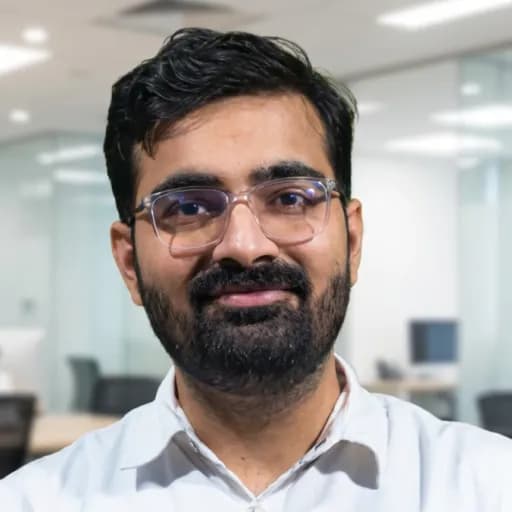
Shravan is the ed-tech veteran tackling the professional world. In 2025, as CEO of Colibri, he's consolidating the fragmented market of "professional licensing." He's buying up and digitizing the old-school training programs for real estate agents and healthcare workers. It's unglamorous work, but he's building a massive moat in a sector that is recession-proof: people always need certifications to work.
38. Shravan Goli
CEO, Colibri Group
David is the antidote to the "growth at all costs" mindset. In 2025, he emerged as a leading voice for "cash-efficient scaling," publishing a widely circulated manifesto on how startups can grow revenue without bloating headcount. Product-wise, he shifted Surfe beyond simple CRM syncing to "Signal-Based Selling." His new features now track "employment-based buying signals" (like job changes) to tell sales teams exactly when to strike, not just who to call. He's proving that in a tight economy, timing is more valuable than contact data.
39. David Chevalier
CEO, Surfe
Alex is running a wartime operation in peacetime. In October 2025, he secured a massive $300M Series E, pushing Deel's valuation to a staggering $17.3 billion. But the real headline isn't the fundraising; it's the $1 billion ARR milestone he smashed in Q1. He's spent the year on an acquisition spree, snapping up competitors like Omnipresent to consolidate the fragmented HR market. He is effectively building the "world's HR department," proving that remote work wasn't a pandemic fad—it's an asset class.