
The Rockstar Games Story: How a Small Startup Conquered Modern Gaming
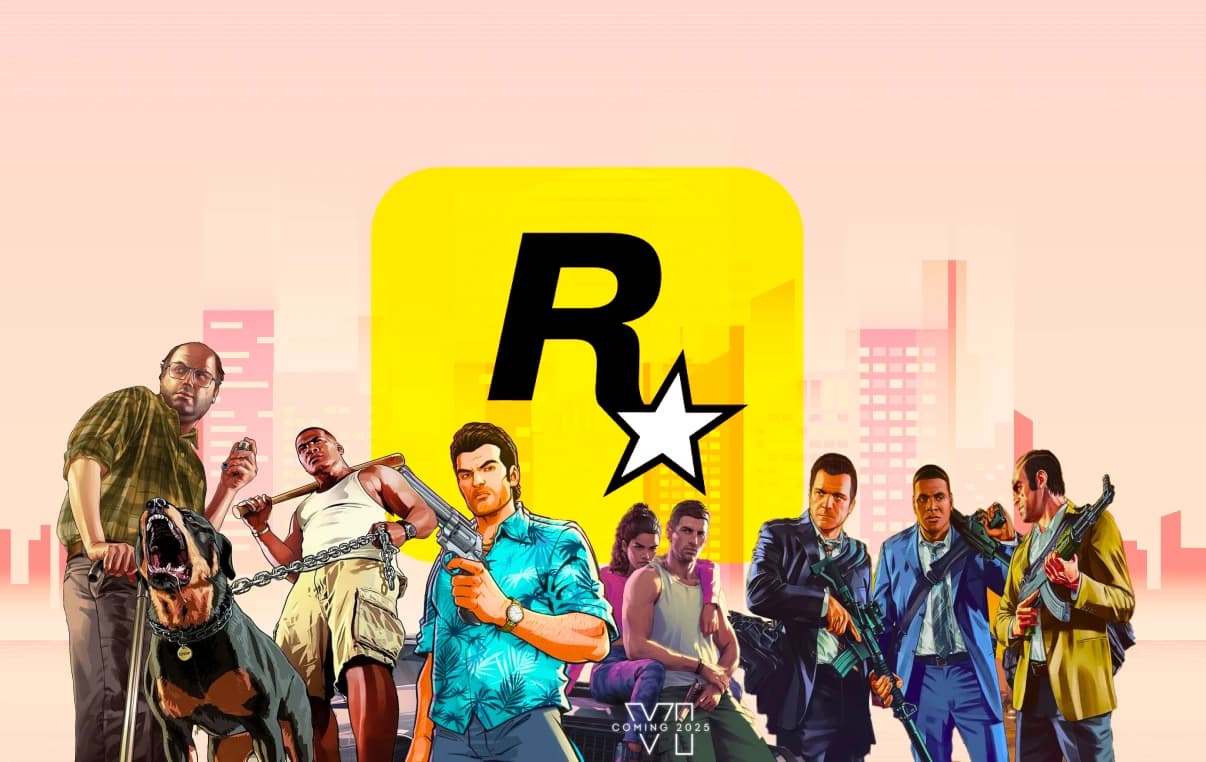
When gamers worldwide witnessed the second trailer for Grand Theft Auto 6 drop in May 2025, featuring protagonists Jason Duval and Lucia Caminos embarking on their Bonnie-and-Clyde adventure through Vice City, it marked another milestone in the legendary journey of Rockstar Games.
With a confirmed release date of May 26, 2026, GTA 6 represents the culmination of nearly three decades of groundbreaking game development that has consistently pushed the boundaries of what's possible in interactive entertainment.
But how did a small game publisher evolve into the gaming giant that can literally influence the release schedules of entire industry calendars? The answer lies in a fascinating tale of creative vision, technological innovation, and an unwavering commitment to crafting experiences that blur the lines between games and art.
An Overview of Rockstar Games Studios
Rockstar Games generates approximately $1.4 billion in revenue annually with around 2,000 employees worldwide, making it one of the most profitable companies per employee in the gaming industry. But behind these impressive numbers lies a creative powerhouse that has consistently delivered culturally significant experiences.
Founded in 1998 as the "high-end" publishing label of Take-Two Interactive, Rockstar Games operates several subsidiary studios worldwide, all bearing the distinctive Rockstar logo with individual colors. From their New York headquarters to studios in Toronto, Edinburgh, Leeds, Lincoln, San Diego, and beyond, the company has built a global network of developers united by a singular vision: creating "intricately layered interactive worlds."
The company's approach to game development is notably different from many of its competitors. Where other studios might rush to capitalize on trends, Rockstar takes its time. Sam Houser, co-founder and current head of the company, has stated:
"Grand Theft Auto VI continues our efforts to push the limits of what's possible in highly immersive, story-driven open-world experiences. We're thrilled to be able to share this new vision with players everywhere."
-
The Corporate Structure That Enables Creativity
Rockstar's success is all about creating an environment where creativity can flourish. One prominent example is Jennifer Kolbe, who started at Take-Two as the front desk. Jennifer Kolbe is now the head of publishing and oversees all development studios at Rockstar Games. This proves the company's culture of promoting from within and valuing institutional knowledge.
This structure has allowed Rockstar to maintain creative control while scaling globally. Each studio contributes to the company's vision while maintaining its own identity.
History and Timeline of Rockstar Games
Understanding Rockstar's journey from startup to industry titan requires looking at the key moments that shaped their identity. Here's how a small team of developers revolutionized gaming one controversial release at a time.
1. The Genesis (1998-2001)
The Rockstar story begins with a strategic acquisition. On March 12, 1998, Take-Two Interactive announced its acquisition of the assets of dormant British video game publisher BMG Interactive from BMG Entertainment. In December 1998, the Houser brothers, Terry Donovan, and Jamie King established Rockstar Games as the "high-end" publishing label of Take-Two.
This acquisition was later said to be the birth of a new philosophy in game development. The Houser brothers brought with them not just business acumen, but a vision for games that could tackle mature themes and storytelling in ways the industry hadn't seen before.
2. The 3D Revolution (2001-2008)
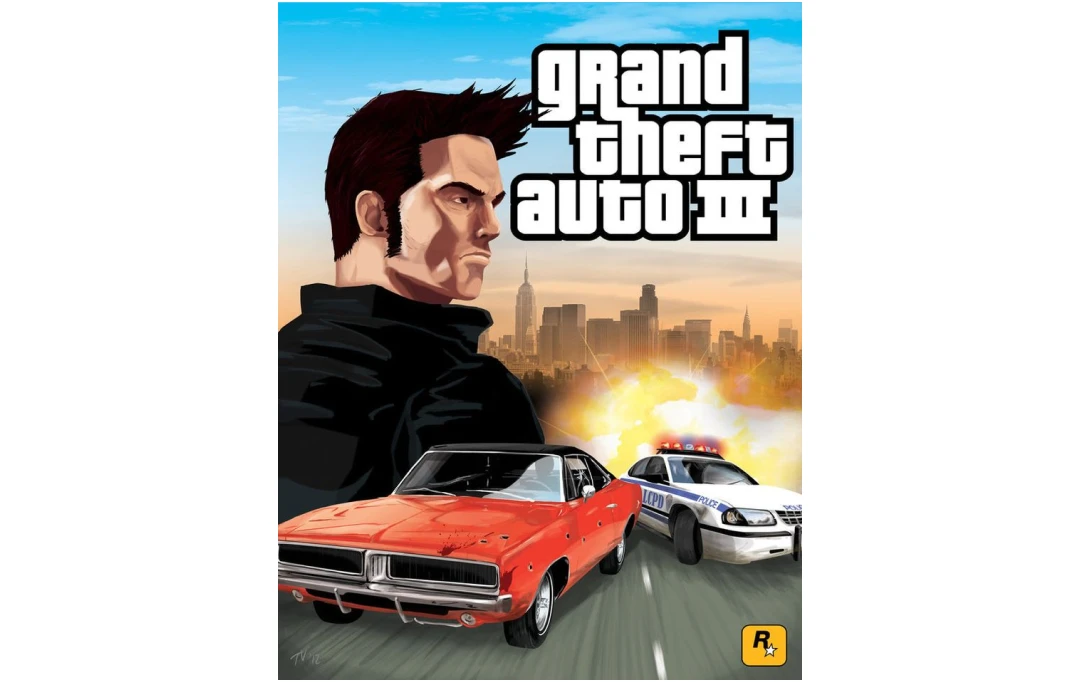
The release of Grand Theft Auto III in 2001 marked a seismic shift not just for Rockstar Games, but for the entire gaming industry. The game's shift to 3D brought about a sea change in modern videogames, combining a contemporary gangster narrative with a highly detailed, open world that allowed players to explore a richly populated universe and engage in the story at their own pace.
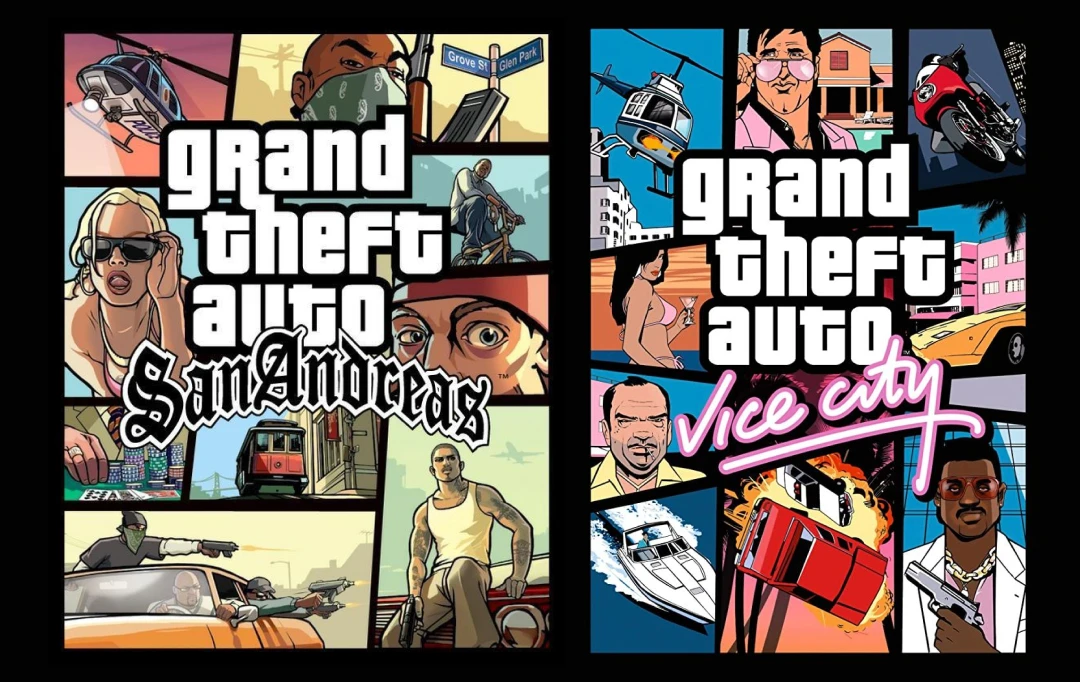
This period saw Rockstar establishing its reputation for controversy and quality in equal measure. Games like Vice City (2002) and San Andreas (2004) didn't just expand the GTA formula—they became cultural phenomena that influenced music, fashion, and even urban planning discussions about virtual cities.
But Rockstar wasn't content to be known for just one franchise. During this era, they also developed Manhunt (2003), the fan favorite Max Payne series, and the criminally underrated The Warriors (2005), proving their versatility across different genres and themes.

3. The HD Era and Beyond (2008-Present)
The Rockstar Games followed the mantra of less is more. The list of franchises to focus on was completely cleaned up as they decided to take care of a few in which they would put all their strength. This strategic shift toward fewer, but more ambitious projects, defined the modern Rockstar approach.
Grand Theft Auto IV (2008) showcased the company's commitment to technical excellence, while Red Dead Redemption (2010) proved they could create compelling experiences outside of urban crime settings. Red Dead Redemption earned more than 160 Game of the Year awards, establishing Rockstar as masters of world-building across different time periods and locations.
Now, Rockstar Games is a worldwide game development giant with various sister companies spread across the globe. Here is a breakdown of its branches.
| Name | Location | Founded | Acquired |
|---|---|---|---|
| Rockstar Dundee | Dundee, Scotland | 2008 | 2020 |
| Rockstar India | Bangalore, India | 2016 | NA |
| Rockstar LA | Santa Monica, California, US | NA | NA |
| Rockstar Leeds | Leeds, England | 1997 | 2004 |
| Rockstar Lincoln | Lincoln, England | 1992 | 2002 |
| Rockstar London | London, England | 2005 | NA |
| Rockstar New England | Andover, Massachusetts, US | 1999 | 2008 |
| Rockstar North | Edinburgh, Scotland | 1987 | 2002 |
| Rockstar San Diego | Carlsbad, California, US | 1984 | 2002 |
| Rockstar Toronto | Oakville, Ontario, Canada | Early 1980s | 1999 |
| Cfx.re | NA | 2016 | 2023 |
Best Rockstar Games: A Portfolio Worthy Of The Name
When you've got a reputation for creating cultural phenomena, every release needs to live up to the hype. Rockstar's portfolio reads like a greatest hits collection of gaming history, with each title pushing boundaries in its own unique way.
1. Grand Theft Auto Series: The Crown Jewel
The Grand Theft Auto franchise remains Rockstar's most recognizable achievement. Grand Theft Auto V has sold over 215 million copies since its release in September 2013, making it the second-best-selling video game of all time. But the series' impact goes far beyond sales figures.

Each GTA game has captured the zeitgeist of its era. Vice City's neon-soaked '80s aesthetic, San Andreas's exploration of '90s gang culture, and GTA V's satire of social media and celebrity culture have all left indelible marks on popular culture.
2. Red Dead Redemption: Poetry in the Old West
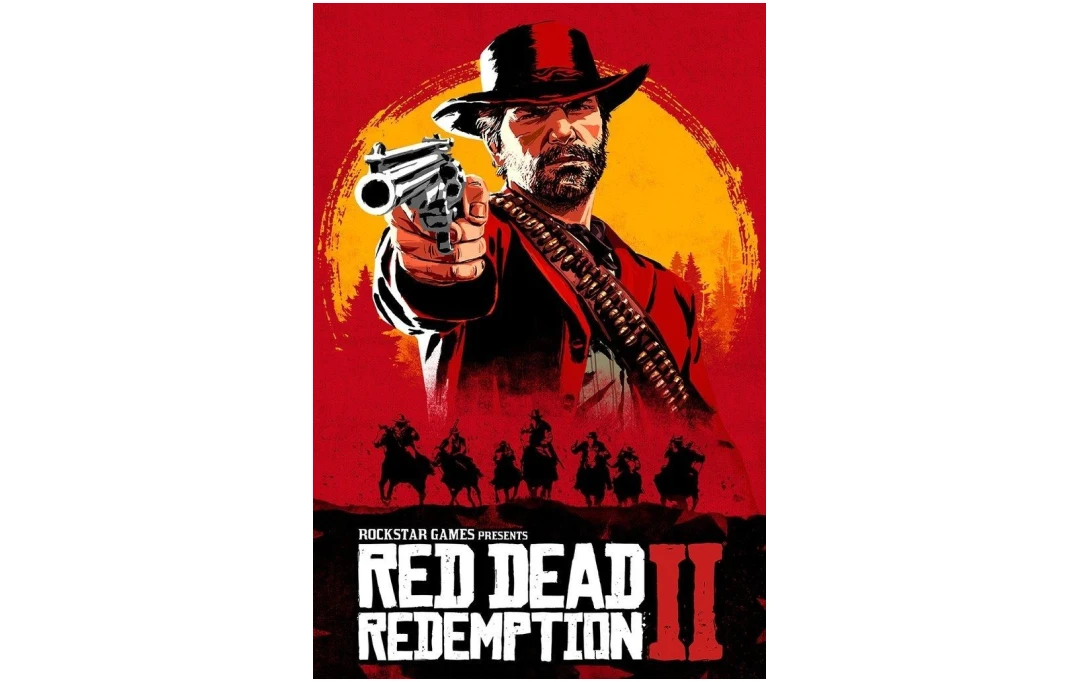
While GTA gets most of the headlines, the Red Dead series represents Rockstar at their most emotionally mature. Red Dead Redemption 2 (2018) stands as perhaps the company's most ambitious project, featuring an unprecedented level of detail and a narrative that rivals the best Western films ever made.
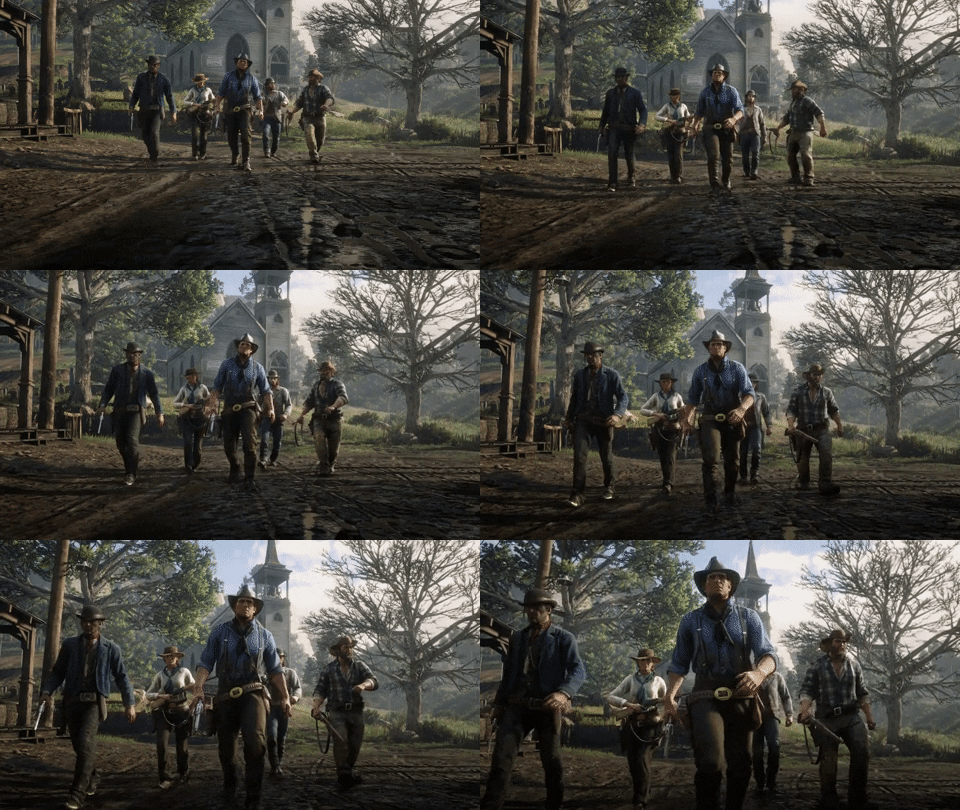
The game's protagonist, Arthur Morgan, became an instantly iconic character, and the game's exploration of themes like loyalty, redemption, and the cost of progress resonated with players in ways that transcended typical gaming experiences. The game eventually became one of the best examples of using AI to create dynamic interactive experiences. One example is AI being used to mimic animal behaviors and make NPCs smarter.
3. Hidden Gems and Experimental Projects
Rockstar's willingness to experiment has produced several underappreciated masterpieces. L.A. Noire (2011) pioneered facial capture technology that influenced the entire industry. Bully (2006) proved that Rockstar's open-world game expertise could work in a school setting, creating a coming-of-age story that was both humorous and surprisingly touching.
Even their more controversial titles, like Manhunt, pushed boundaries in ways that sparked important conversations about violence in media and artistic expression.
Technological Advancements Rockstar Introduced or Adopted
Rockstar games have been experimenting and inventing new solutions, models, and techniques that has kept them at the centre of attention. Here are a few renowned examples:
1. The RAGE Engine Revolution
Rockstar Games has developed its own game engine called the Rockstar Advanced Game Engine (RAGE) to facilitate game development across multiple platforms. This proprietary technology has been fundamental to their ability to create the massive, detailed worlds they're known for.
RAGE has evolved significantly since its introduction, incorporating cutting-edge physics systems, advanced AI behaviors, and sophisticated rendering techniques that make their virtual worlds feel alive and responsive.
2. Pioneering Open-World Design
Rockstar didn't invent the open-world genre, but they perfected it. Their approach to world-building goes beyond just creating large spaces. The company's attention to detail is legendary. In Red Dead Redemption 2, for example, horses' behavior changes based on their relationship with the player, weather affects how NPCs dress and behave, and the game world continues to evolve even when the player isn't actively engaging with the main story.
3. Motion Capture and Performance Innovation
Rockstar has consistently pushed the boundaries of performance capture technology. Rockstar Games sports a motion capture studio in Bethpage, New York, where they've pioneered techniques for capturing not just movement, but subtle facial expressions and emotional nuances that bring their characters to life.
L.A. Noire's MotionScan technology was so advanced that other developers are still catching up to the techniques Rockstar implemented over a decade ago.
GTA 6: The Upcoming Behemoth of a Game
GTA 6 is set in modern-day Vice City, featuring dual protagonists Jason Duval and Lucia Caminos in a story that charts their course through the criminal underworld of the state of Leonida. The game represents a return to Vice City for the first time since 2002, but not with a nostalgic trip. The game is a complete reimagining of Miami and South Florida for the modern era.
The inclusion of social media as a major story element reflects Rockstar's continued commitment to commenting on contemporary culture. The proliferation of social media posts in the trailer provides quick snapshots of everyday life in Rockstar's exaggerated version of Miami, including alligator-wrangling, drive-by twerking, and everyday Florida chaos.
1. Industry Impact and Expectations
Several publishers awaited a release date announcement before scheduling their own games, with others prepared to reschedule to avoid competition; journalist Jason Schreier called it "a massive game of 4D chess playing out across the entire video-game industry".
DFC Intelligence projected sales of 40 million copies and earnings of $3.2 billion in the first year, doubling Grand Theft Auto V's record-breaking launch numbers, including $1 billion in preorders.
2. The Delay That Costs More Than Skyscrapers
Although the company is seemingly putting in days and nights to create the game of the decade, they sure are falling behind a bit. Here's a wild fact that puts GTA 6's development into perspective: the game has taken longer to make (and cost more) than the Burj Khalifa. The world's tallest building took six years and $1.5 billion to construct, while GTA 6 has consumed an estimated $2 billion and 13 years of development time.
But when you consider they're creating a twice-the-size Vice City with dynamic weather, in-game social media, and unprecedented attention to detail, maybe that timeline starts making sense.
Conclusion
From a small startup to a global entertainment powerhouse, Rockstar Games' journey has changed the way game development companies develop or even approach new projects. The company even got the BAFTA Academy Fellowship Award at the 10th British Academy Games Awards in March 2014.
As we look toward GTA 6's 2026 release, it's clear that Rockstar's influence extends far beyond just making great games. They've consistently pushed the boundaries of what interactive entertainment can achieve.
With GTA 6 on the horizon, Rockstar Games stands poised to once again redefine what's possible in gaming. After nearly three decades of breaking rules and setting new standards, they've proven that sometimes the best way to predict the future of entertainment is to create it yourself.

By MobileAppDaily Team
MobileAppDaily host a team of experienced technical writers, industry wizards, and app experts who have an exact knack of content that caters to the needs of the mobile app targeted audience. We strive to bring you the best of tech!

Know Why Our Success Stories Get The Fastest Readership?
Because a huge chunk of our active audience belongs to entrepreneurs, business owners, and curious minds.