Share It On:
 Discover how AI is revolutionizing robotics with real-world use cases that can elevate your business or innovation strategy.
USD 12.77 billion is the amount companies spent on AI-powered robotics in 2023. By 2030? We're looking at USD 124.77 billion. Grand View Research published these numbers, and frankly, they might be conservative.
Walk into any modern factory. You'll spot them immediately - robotic arms working alongside humans, mobile units zipping through warehouses, quality control systems catching defects humans miss. The application of AI in robotics isn't coming. It's here, impacting multiple business processes from operating, marketing, to solving complex corporate problems.
But to help you understand exactly how AI is used in robotics, you will have to bear with us a little longer. Moving ahead, we have a list of AI in robotics examples broken down by their respective industries.
Let’s have a look!
Applications of AI in Robotics
The magic happens when you combine artificial intelligence with mechanical bodies and play around with AI use cases. Traditional robots used to follow scripts. Today's AI-powered machines? They write their own playbook as they go. Think of it like the difference between a player piano and a jazz musician. One plays predetermined notes. The other improvises, responds, and creates.
These smart machines see their surroundings, remember what worked before, and figure out better ways to tackle problems. It's not just automation – it's innovation happening in real-time.
1. AI in Industrial Robots
Tesla’s Fremont factory deployed a significant number of robots to deliver the best results made possible by the usage of AI in industrial robots.
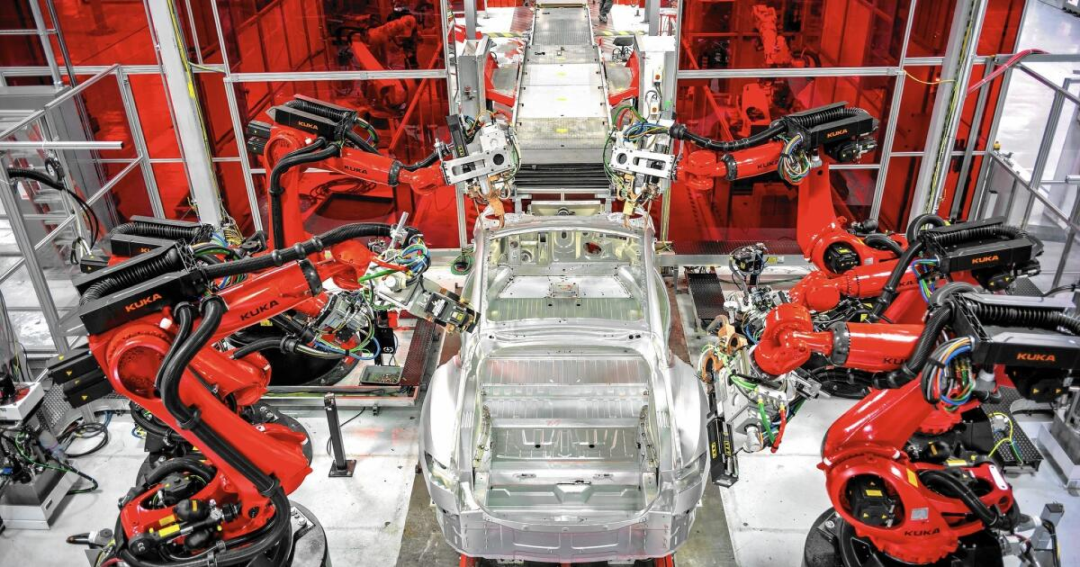
However, there’s another less-talked-about fact: AI robotics applications in real factories face real challenges. These challenges can be in the form of legacy equipment integration, worker resistance, unexpected edge cases, and whatnot!
General Motors took a different path. Collaborative robots (cobots) first, full automation later. Their Spring Hill facility runs multiple cobots. Workers train them through demonstration. No programming required. This has resulted in dropped Injury rates. The result? These robots gained praise as safer alternatives for certain tasks considered risky for humans.

2. Healthcare Disruption: AI and Robotics in Healthcare
“AI can create a lot of permutations and combinations. It can figure out what works and what doesn’t.”
This interview with Nitendra Rajput (Senior Vice President - MasterCard’s AI Garage) fits the best to define how AI-powered robotics, specifically for the healthcare industry works.
Hospitals run differently from factories. Their operations include sterile environments, life-critical operations, and regulatory nightmares. Yet AI in healthcare, paired with robotics, grows at a CAGR of 26.10% between 2024 and 2034.
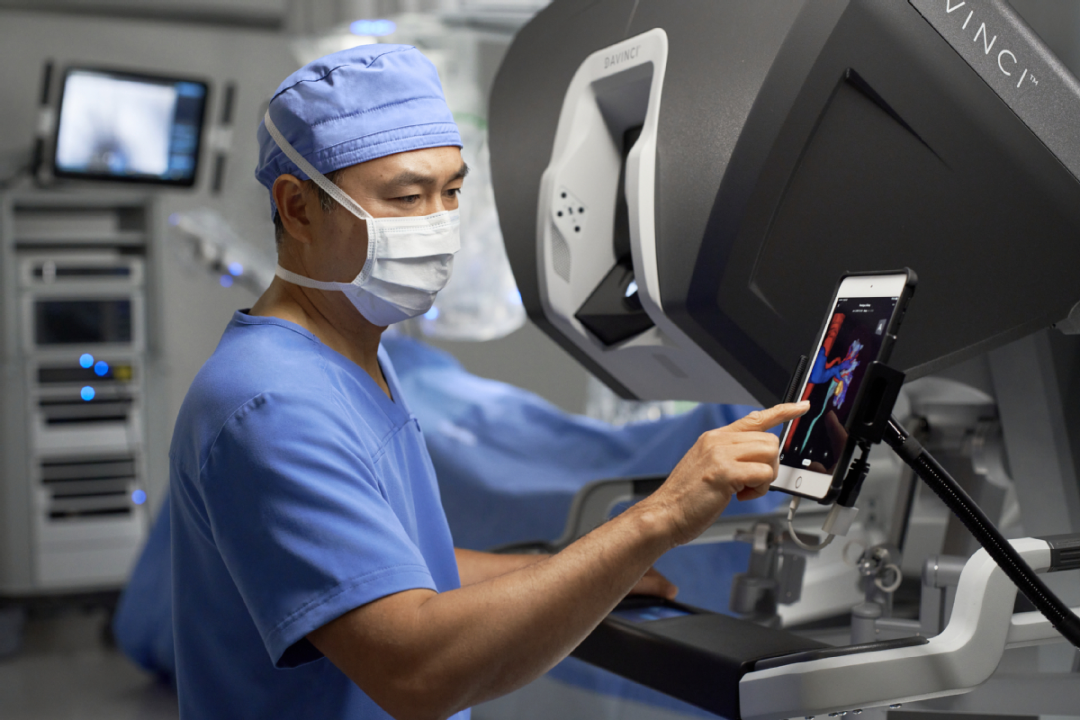
For specific examples, let’s start with surgery. Intuitive Surgical's da Vinci witnessed a 17% growth in global procedures in 2024. The solution eliminates the boundaries of distance. Surgeons in New York can operate on patients in Miami. Hand tremors? Filtered out. 10:1 motion scaling means 10cm hand movement translates to 1cm instrument movement. That’s what recision medicine is, literally.
Hospital logistics tells a better story. TUG robots from Aethon navigate hospitals autonomously. No GPS required - just LiDAR and pre-loaded maps. UCSF Medical Center runs 25 units.
Moxi represents nursing's future. Diligent Robotics built her to handle non-patient tasks. Delivering supplies. Removing linens. Running lab samples. Texas hospitals report nurses save hours per shift while patient satisfaction scores increased significantly.
3. Fields and Farms: AI and Robotics in Agriculture
Farmers face brutal economics. Corn prices can be highly volatile. Labor shortages are now getting normalized as well as climate uncertainty increases in parallel. This is where robotics and AI enter into the picture. Their market size? The agricultural robotics market size specifically reached USD 14.74 billion in 2024, rising at a CAGR of 23% between 2026 and 2030.
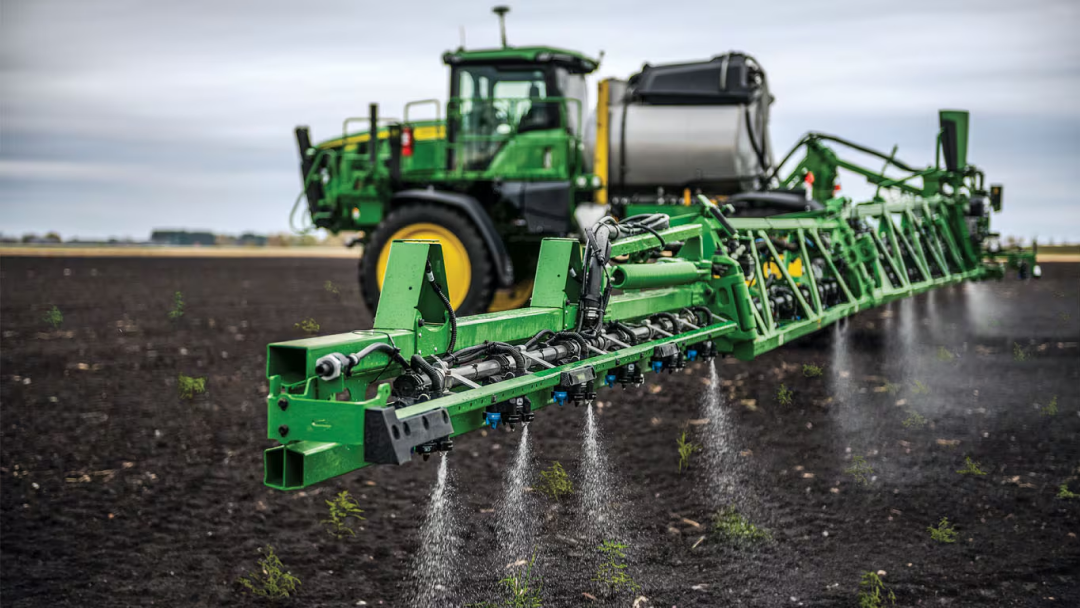
John Deere leads precision agriculture. Their See & Spray system sounds simple. Cameras identify weeds to ensure precision spray over weeds. This saves herbicide. Reality? Multiple cameras processing multiple GBs of data per second. Neural networks were trained on 15 million weed images. Result: tentatively 80% herbicide reduction. Farmers save $50 per acre.
Blue River Technology (acquired by Deere) started this revolution. Their lettuce bot thins crops individually. Each plant was evaluated for growth potential. Weak ones were removed while strong ones get optimal spacing. Yield increase and labor drops showcase significant numbers
Livestock monitoring evolved beyond fences. Cameras watch cattle continuously. How is AI used in robotics here? Behavior analysis algorithms detect illness 3 days before visible symptoms. Treatment costs drop 40-70% bringing mortality rates to half.
4. Aerospace Precision: Robotics and AI in Aerospace
Aircraft manufacturing tolerates zero defects. One loose rivet could kill 300 people. This drives robotics and AI in aerospace adoption. The Aerospace robotics market is targeting a size of USD 49.39 billion by 2032. As for the AI in Aerospace, the tentative market size for 2030 is USD 43.02 billion.
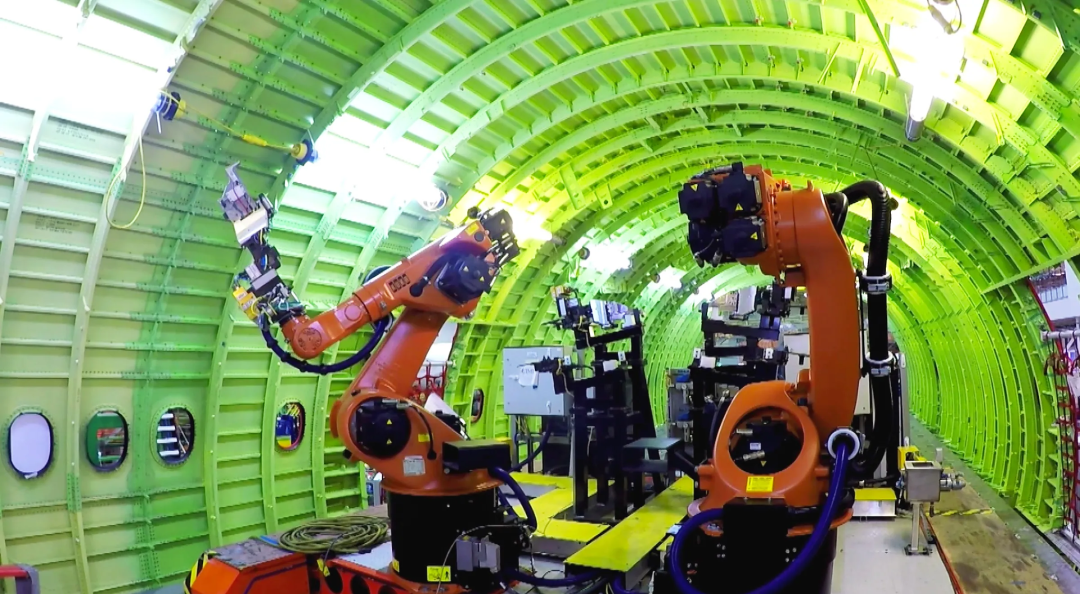
Boeing's 777X assembly showcases integration. Fuselage sections join within a 0.001-inch tolerance. AI-guided robots drill tens of thousands of holes per aircraft. Each hole is inspected immediately. If a defect is found, the robot stops and alerts a technician, ensuring no faulty holes proceed to final assembly.
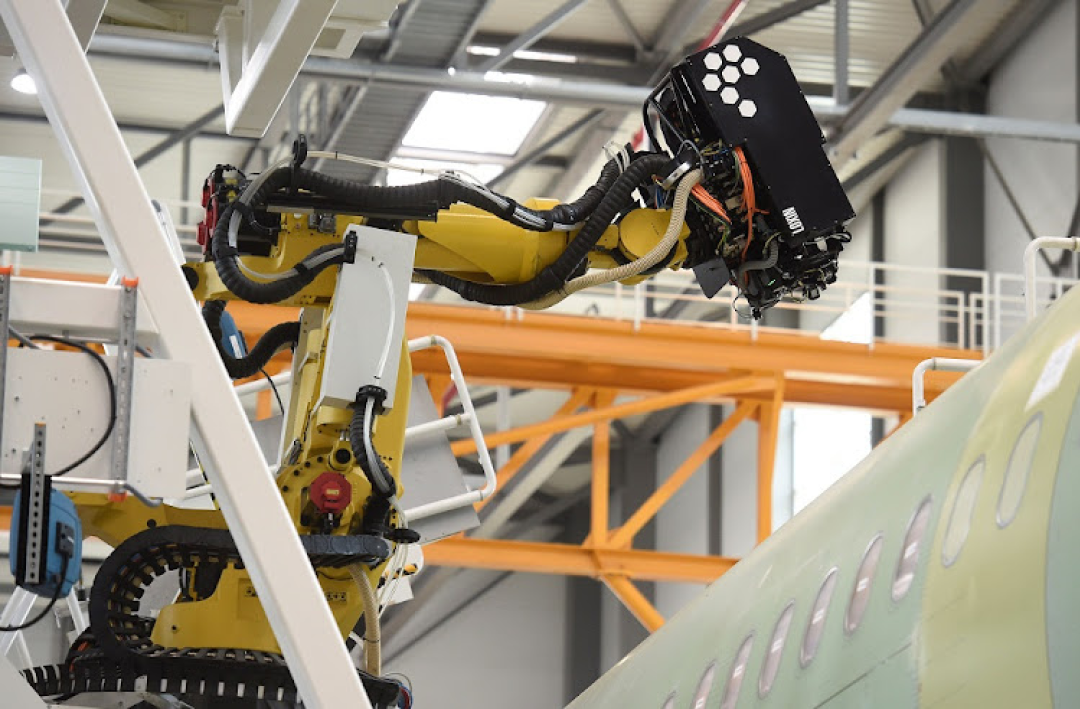
Airbus's Hamburg facility utilizes mobile, flexible robots that adapt to different aircraft models within the same family, such as various A320 Family variants. These robotic systems, including 7-axis robots and "Flextrack" systems, are crucial for increasing efficiency and quality in high-rate production lines.
Composite materials create unique challenges. Hand layup takes 40 hours per wing section. Automated fiber placement? 6 hours. But here's the catch - every carbon fiber strand must align perfectly. 5-degree deviation weakens the structure by 30%.
This real-time inspection capability drastically improves quality, with reject rates potentially dropping from double digits (e.g., 12%) to fractions of a percent (e.g., 0.3%) as a result of early defect detection and correction.
5. Navigation Breakthrough: AI in Autonomous Robots
Warehouse robots seem simple. These robots move from A to B and avoid obstacles. Reality? AI in autonomous robots solves complex optimization problems constantly.
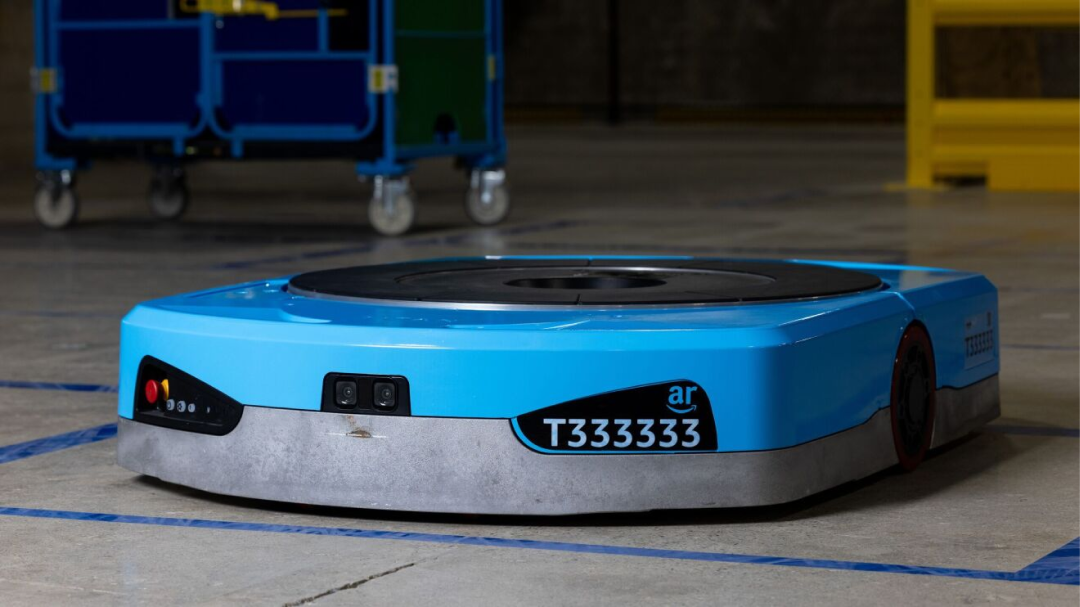
Amazon Robotics (formerly Kiva Systems) revolutionized fulfillment centers. Their robots are capable of lifting and moving shelves weighing up to 1,250 pounds (for Hercules robots, a successor to Kiva). They navigate using 2D barcodes on floors and are orchestrated by AI to manage thousands of robots simultaneously.
Outdoor navigation presents significant challenges, including GPS failures near structures, weather interference with sensors, and varied terrain. Clearpath Robotics (now part of Rockwell Automation) provides solutions for challenging environments like mining.
Their vehicles leverage SLAM (Simultaneous Localization and Mapping), which allows robots to build maps of their surroundings while simultaneously localizing themselves within those maps. This enables accurate navigation, with advanced LiDAR-only SLAM systems demonstrating state-of-the-art pose accuracy over long distances in diverse environments. The tech is driving innovations in the field of AI in autonomous vehicles.
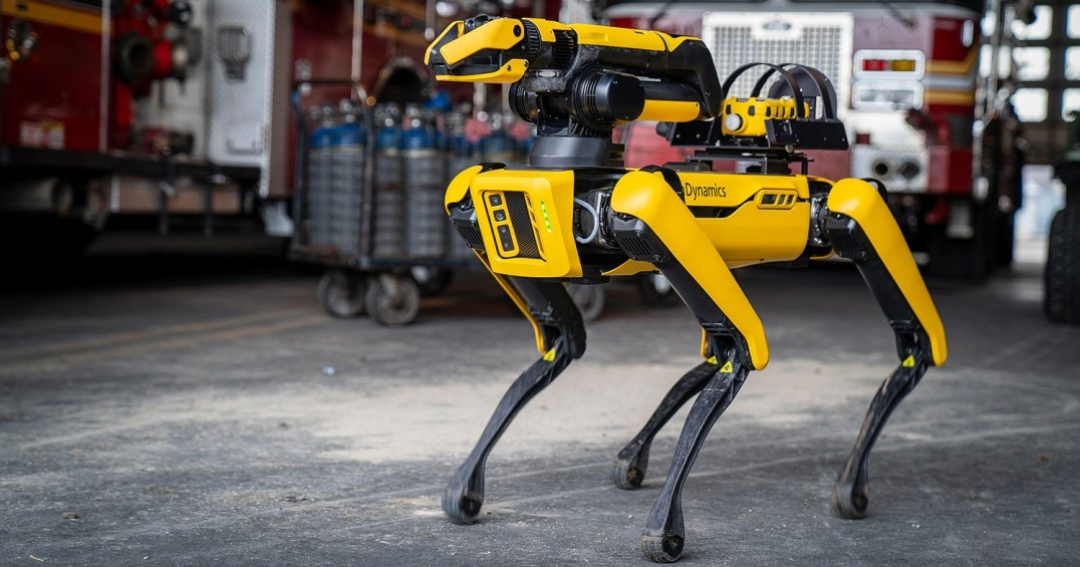
Construction sites test limits. Boston Dynamics' Spot walks through rubble. Climbs stairs. Opens doors. $74,500 price tag seems high? Replace it with human safety inspectors in dangerous areas. Insurance savings alone justify costs.
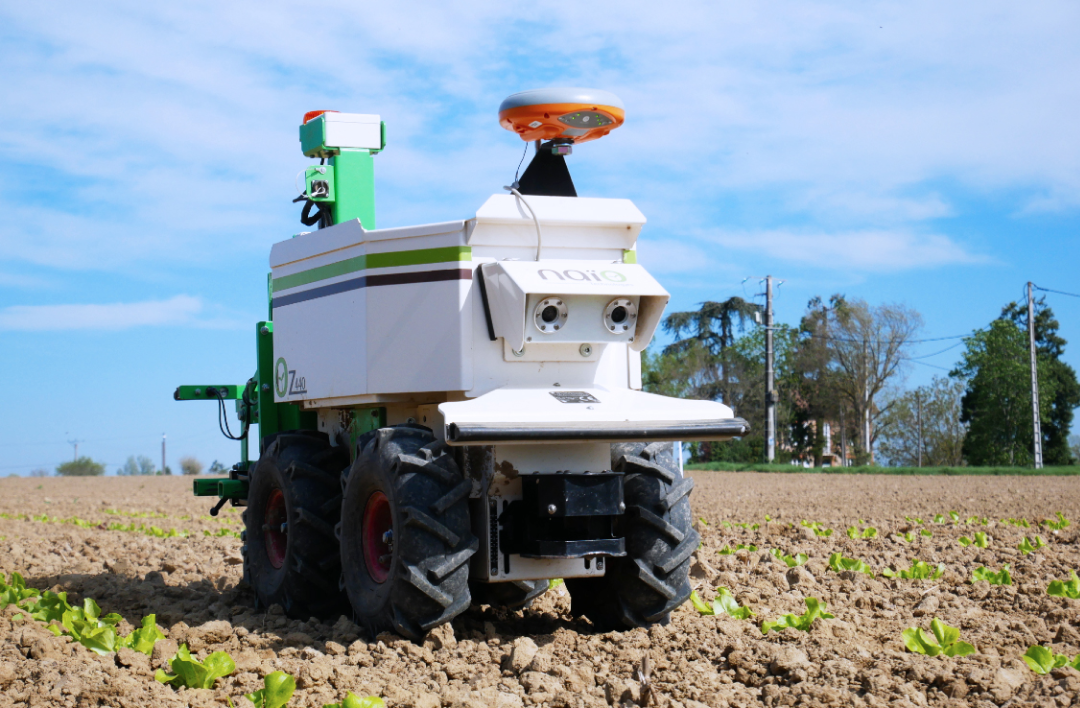
Agricultural field navigation requires different solutions. Naïo Technologies' Oz robot works in vegetable rows. No GPS required - cameras identify plant lines. Works in rain, darkness, fog. French farmers report 4-hectare daily coverage. Weeding costs dropped 60%.
Underground environments eliminate most sensors. Mining robots rely on LiDAR and inertial navigation. Built-in AI predicts drift, corrects positioning while Australian mines report 99.7% uptime. Humans couldn't work in these areas anyway - 50°C temperatures, toxic gases.

The Tech Stack Behind AI-Powered Robots
AI-based robotics runs on three core components: perception systems, decision engines, and actuation mechanisms. Simple? Not quite.
AI-powered robotics fundamentally relies on perception systems, decision engines, and actuation mechanisms.
1. Perception:
- Uses various sensors like LiDAR units (costs vary from thousands to hundreds of thousands of dollars for industrial-grade models), camera arrays (e.g., 60 frames/second processing), and force sensors (detecting changes as subtle as 0.01 Newton).
- This allows robots to "see" better than humans in many scenarios; for instance, FANUC's iRVision system identifies 1mm defects at 2-meter distances, a challenging task for human eyes.
2. Decision Engines:
- This is where machine learning, especially neural networks, operates.
- These networks often have millions of parameters and are trained on terabytes of operational data.
- Boston Dynamics spent years iteratively developing Atlas's advanced locomotion, enabling complex movements like backflips.
- AI in these engines enables consistent, split-second decisions even with incomplete information.
3. Actuation Mechanisms:
- Responsible for bringing decisions into physical action.
- Servo motors offer high precision, sometimes down to 0.001 degrees.
- Pneumatic systems deliver exact pressure.
- Soft robotic grippers can handle delicate items like tomatoes without bruising.
- High-precision hardware is as critical as advanced software for effective AI in robotics
What is the Future of AI in Robotics?
Crystal balls don't exist. Tech trends do. Here's what's developing:
- Generative AI enters robotics and natural language robot programming. Describe the task, and the robot figures out how to do it. Early demos are promising, with commercial deployments set for soon.
- Edge computing becomes standard. Cloud latency kills real-time control. New chips process AI locally. NVIDIA's Jetson leads. Intel is competing hard. Prices are dropping fast.
- Soft robotics goes mainstream. Handling delicate objects remained challenging. New materials enable human-like grasping. The food industry is particularly interested.
- Standards are finally emerging. ROS 2 is gaining adoption, with interoperability improving. As a result, plug-and-play is becoming a reality.
- China remains one of the frontrunners in deploying a large number of AI-powered robots. Government subsidies are driving adoption. Western manufacturers are worried as the competition intensifies.
- Small businesses gain access. Robot-as-a-Service models are emerging. Monthly payments instead of capital investment. Integration support included. Market expansion is inevitable.
The convergence of AI and robotics moved from research labs to factory floors, hospital corridors, farm fields, and aircraft hangars. Early adopters gained competitive advantages. Fast followers are catching up. Laggards face extinction.
Organizations must decide: Lead, follow, or disappear. The technology exists. Implementation challenges remain surmountable. Results speak louder than skepticism.
The question isn't whether AI-powered robots will transform your industry. They already are. The question is whether your organization participates in that transformation or becomes its casualty.
Frequently Asked Questions
Can AI control robots?
Yes, AI can fully control robots by processing sensor data, making real-time decisions, and executing complex tasks autonomously. Modern AI-powered robots learn from experience and adapt their behavior without human intervention.
How does AI help in industrial automation?
AI enhances industrial automation through predictive maintenance, quality control, adaptive manufacturing, and human-robot collaboration. It enables robots to detect defects, optimize production workflows, and prevent equipment failures before they occur.
What are some benefits of AI in robotics?
Key benefits include 24/7 operation without fatigue, superhuman precision and accuracy, continuous learning and improvement, enhanced workplace safety, significant cost reduction over time, and valuable data insights for process optimization.
How do AI and robotics in manufacturing work together?
AI provides the "brain" that enables robots to see, understand, and adapt to manufacturing environments. Robots handle physical tasks while AI algorithms analyze data, make decisions, and optimize processes in real-time for maximum efficiency.
Can artificial intelligence in robotics be monetarily beneficial?
Absolutely. While initial investment is substantial, companies typically see positive ROI within 18-24 months through reduced errors, lower operational costs, decreased downtime, improved quality, and increased production capacity.
What are some crucial applications of artificial intelligence in robotics?
Critical applications include surgical robots performing precise medical procedures, agricultural robots optimizing crop yields, autonomous vehicles navigating complex environments, collaborative industrial robots working alongside humans, and space exploration robots operating independently in extreme conditions.
Which role of AI in robotics is the most crucial one?
The ability to learn and adapt autonomously is AI's most crucial role in robotics. This enables robots to improve performance over time, handle unexpected situations, and operate effectively in dynamic, unpredictable environments without constant reprogramming.

Uncover executable insights, extensive research, and expert opinions in one place.
Related Content