Share It On:
 Digital marketing isn’t just one channel doing all the work; it’s a system of core approaches, each solving a different part of the growth puzzle. Each one functions differently, and understanding how to implement them can be the boost your business
 Digital marketing has evolved into a multi-channel ecosystem where brands no longer rely on a single touchpoint to reach customers. Instead, they combine search, content, social, and data-driven strategies to influence decision-making across the buyer journey.
In a larger sense, digital marketing refers to promoting products or services using online channels such as websites, search engines, social media, email, and mobile platforms. The global digital advertising and marketing market is projected to reach 1,164.25 million by 2030, reflecting how central digital channels have become to business growth.
This highlights the growing importance of digital marketing in building scalable and measurable business growth.
Let’s understand the different components of digital marketing, how they work, and how you can leverage them to your favor. But first, let’s start by taking a deeper look at the digital marketing industry.
How Big is the Digital Marketing Sector?
Digital marketing provides immense value because it unites broad public reach with highly precise consumer targeting. This is also one of the core benefits of digital marketing and a key reason businesses continue shifting budgets online.
Companies can pick exact consumer groups, monitor online actions as they happen, and constantly improve their promotional campaigns based on live incoming data, which ensures that funds are never wasted on poor ads.
Several specific traits make this system absolutely essential for growth:
- Detailed consumer targeting: Digital platforms support audience separation based on age, location, personal interests, and specific buying intent, ensuring that ads become highly relevant to the viewers instead of just visible across different channels.
- Live performance monitoring: Digital marketing tools like Google Analytics help marketing teams track traffic sources and site conversions instantly. This allows for much faster corporate choices.
- Financial control and growth: You can start a campaign with a small budget, test results, and expand only the parts that prove successful. This makes budgets far more efficient than traditional media, while also providing you more benefits.
- Combined channel structures: Marketing teams can align multiple online paths into one single sales funnel. This improves the overall success of the campaign and supports stronger marketing strategies.
The top mobile app marketing companies also rely on these traits, as they provide massive benefits of digital marketing for firms fighting in crowded online spaces.
With that in mind, let’s check out the different areas of digital marketing that can help you create proven strategies that provide the most benefit.
Maximizing Your Business Potential With 7 Core Types of Digital Marketing
If you’re wondering how to start digital marketing without it being too overwhelming, think of it as a toolkit rather than a single task. While the landscape is vast, most successful strategies are built on seven specific pillars. Each serves a unique purpose: some build long-term authority, while others deliver immediate leads.
Here are the seven types of digital marketing you need to know to build a cohesive growth engine:
1. Search Engine Optimization (SEO)
Ranking on the first page has become critical: 96.98% of desktop clicks and 97.56% of mobile clicks in the USA occur within the top 10 results. If you aren't on the first page, you are missing out on one of the most important digital marketing advantages.
Search Engine Optimization builds brand visibility on platforms like Google by matching content and website structure with the specific things users search for online, which captures attention from buyers. Here’s how that works:
- On-page optimization: This includes organizing articles with keywords, refining titles, making reading easy, and matching metadata with user search terms. It directly changes how search engines read your page and helps get clicks.
- Technical SEO: This work goes past basic backend repairs to focus on how well search bots can find, read, and list your site. It involves refining Core Web Vitals, ensuring phone readiness, building a logical site structure, and guiding search bots to your best pages. Without solid technical SEO, search engines cannot index your work. So even great content remains entirely hidden.
- Off-page SEO: The main goal here is building site authority and trust across the web. You must earn links from respected sites through public relations and expert articles. Search engines check both link quality and brand mentions, meaning that when other trusted organizations validate your articles externally, your rankings in search results receive a massive upward boost.
Research indicates that SEO creates lasting visibility, which makes it a highly sustainable plan. Unlike paid advertisements, natural search rankings bring in site visitors without continuous spending, and that incoming traffic grows heavily over time as your online material gains massive industry reputation.
This makes it one of the strongest long-term digital marketing strategies.
Another thing to consider is how SEO is changing because of modern technology. AI models like Google Gemini and ChatGPT now show answers directly instead of simply providing links. This shift toward Answer Engine Optimization (AEO) means firms must write text that is short, clear, and easy for computers to pull out.
2. Pay-Per-Click Advertising (PPC)
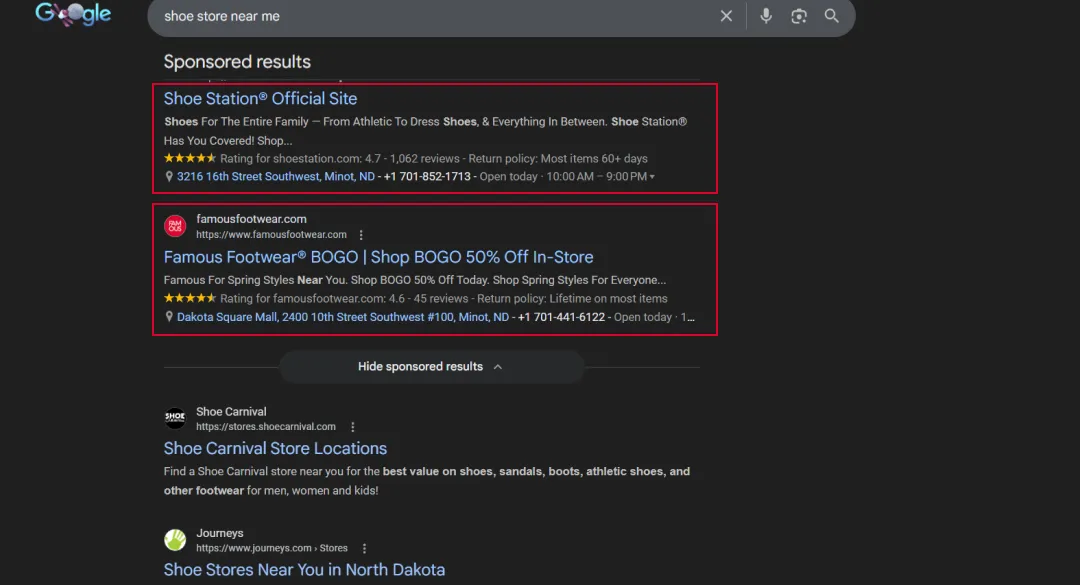
Pay-Per-Click (PPC) ads buy immediate brand attention through paid spots on Google Ads or Meta Ads Manager. Companies only pay money when a user clicks on the ad. While SEO takes time to grow, PPC allows companies to show up right away in front of ready buyers, making it another crucial part of the types of digital marketing.
- Search advertising: This common PPC method involves bidding on specific words to get your ads at the top of search results. This helps find users who are actively looking for solutions to their problems.
- Display and retargeting: Visual ads also appear across websites and applications. Retargeting shows ads to people who visited your site before. This keeps your company in the minds of consumers, which directly increases the total number of people who eventually buy your goods after seeing the message again.
- Campaign refinement: These ads need constant eyes on them to stay effective. Marketers change bid money, test different pictures, and improve landing pages to drop acquisition costs. This makes PPC a highly measurable method supported by advanced digital marketing tools.
Many experts use PPC because it gives fast and certain results while offering full control over spending. Evidence suggests that PPC plays a major part in meeting customer demand when you need speed.
3. Content Marketing
Content marketing involves making and sharing useful material to attract a specific target group. Rather than just selling items, it builds trust by helping people with their problems. This makes it a base for many other areas of digital marketing.
There are several categories within this field, as explained below:
- Educational content: This refers to informative articles and guides that answer consumer questions. Good writing improves search placement and makes you look like an industry expert.
- Visual and interactive formats: Videos and charts help make hard topics easier to read. These files can also show up in "Google Images," making a new traffic path. As people want quick information, visual media keeps them on a page longer.
- Content distribution: Writing articles is only half the job. You must share the text on your site, in emails, and on social networks across different digital marketing channels to reach the public.
This method is special because its value grows over time and contributes significantly to marketing strategies. One great article can bring in visitors and leads for years.
Content Marketing also serves as a strong entry point for digital marketing for beginners.
4. Social Media Marketing
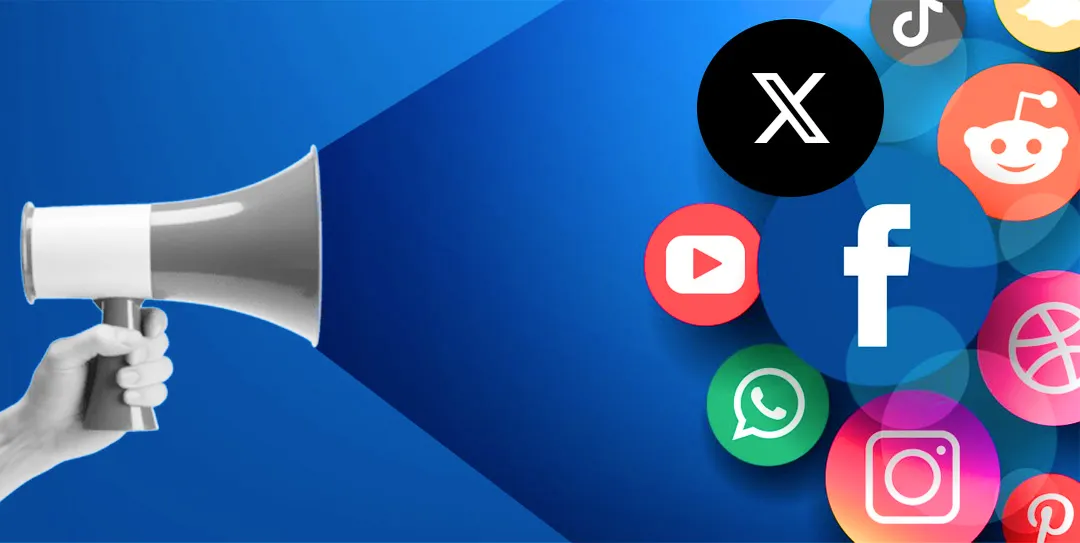
Social media marketing has grown rapidly to become one of the game-changing digital marketing trends in 2026. In social media marketing, brands rely on platforms like Instagram or Facebook to find buyers. With billions of users online, these apps are major steps in the path to purchase and key digital marketing channels.
Consider the following tips when you start creating a social media presence:
- Natural engagement: This involves sharing regular, helpful posts that followers like. Companies use a mix of fun and selling notes to build a clear voice.
- Paid social campaigns: Running ads on social apps allows you to pick specific viewers by age or habits. This accuracy makes social media marketing highly successful for making direct sales.
- Community building: Social platforms allow you to talk directly to buyers through comments. This builds strong bonds and makes customers loyal as they find you relatable.
Campaigns like brand collaborations or viral reels are practical digital marketing examples of real-time audience engagement. They also play a key role in forming how people see a brand. It supports other digital marketing strategies by talking to buyers at every single step of the process.
5. Email Marketing
Email marketing is like building a direct link with users through private notes. Even with new trends emerging, it remains highly successful because it brings a massive return on investment and is one of the most reliable digital marketing types.
Here’s how organizations use email marketing to boost their business:
- Guiding leads: Email campaigns guide users through the buying process by sharing text based on what they like. This includes welcome notes and product ideas that slowly build trust.
- Grouping and personalizing: Modern email work uses heavy data. You separate audiences by what they bought before to send relevant notes. This raises the number of people who open messages.
- Automated systems: Digital marketing tools like HubSpot and MailChimp allow you to set up automatic messages triggered by user actions. This ensures fast replies without manual work, which improves total efficiency.
Email stays valuable because you own the contact list. You do not have to worry about search rules or app changes to reach your audience.
6. Affiliate Marketing
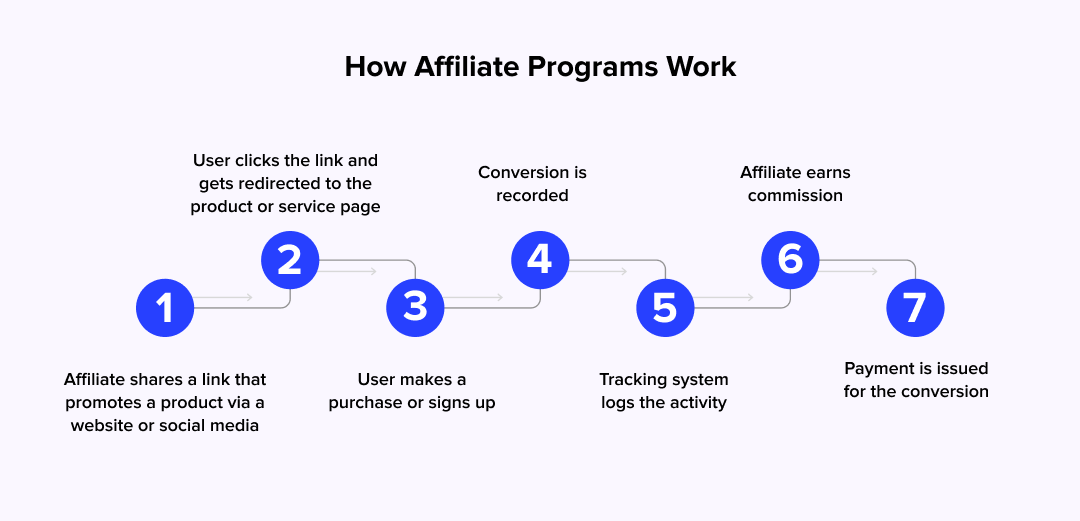
Affiliate marketing is a results-based method where companies work with people to help them boost sales for a fee. It grows your reach by using networks that other people built. Let’s see how it works.
However, common digital marketing challenges like tracking accuracy and partner quality can arise if not managed properly.
- Affiliate partnerships: Companies team up with bloggers or site owners who have their own fans. These partners make articles that suggest products to their group.
- Tracking and credit: Special links help track user actions to credit sales accurately. This ensures that your partners get paid fairly for results.
- Performance-based model: Unlike regular ads, you only pay money when a sale happens. This makes it a low-risk addition to any campaign.
This style of digital marketing is great for growing reach without spending a lot of money at first. It helps you show goods to new groups through sources they trust and strengthens overall digital marketing strategies.
7. Influencer Marketing
Influencer marketing focuses on working with people who have trust and audiences on sites like TikTok or YouTube. It mixes social proof and writing to make ads feel real and is one of the fastest-growing types of digital marketing.
Consider the following when you’re looking into influencer marketing:
- Audience match: Success depends on picking people who have built a community of people that matches your target audience. Finding the right person here is often more important than follower numbers.
- Working together on content: Influences often make posts that show products in their own style. This makes the message feel like a regular post rather than a commercial, which is also what you want.
- Checking results: You check campaign success by looking at views and sales. Data programs help firms see which people are the best to work with.
|
Give your brand the boost it needs. Partner with the right agency to build brand awareness. |
Conclusion
The data shows that digital marketing is not a simple game anymore. To grow, modern brands must use a full collection of online paths instead of focusing on just one single channel. Success comes when you align search, paid ads, and social media into a unified strategy. Each of the seven digital marketing types provides a specific benefit.
By looking closely at user data and acting quickly on changing audience habits, businesses can build campaigns that do not just chase short-term views but bring in steady revenue for years. When you connect them effectively, your brand creates a powerful marketing engine that turns visitors into loyal customers.
Frequently Asked Questions
What is the most important type of digital marketing?
There is no single best type of digital marketing. For most companies, combining Search Engine Optimization and content marketing creates the strongest foundation for long-term growth.
How much does digital marketing cost for beginners?
You can start some methods like organic social media and content marketing for free. If you use paid ads, you can set your own daily limits to match your small budget.
Can I do digital marketing on my own?
Yes, many business owners learn digital marketing using free online guides and tools. You can handle basic tasks until your company grows enough to hire an expert.
How long does it take for SEO to show results?
Research indicates that SEO generally takes between three to six months to show real ranking growth. The outcome is steady, free traffic that compounds over time.
Is email marketing still effective today?Is email marketing still effective today?
Evidence suggests that email marketing remains highly successful. It offers a massive return on investment because you own the list of contacts directly without algorithm interference.
What is the difference between SEO and PPC?
SEO builds free, natural traffic over many months. PPC pays for immediate visibility on search engines, but the traffic stops the moment you stop paying for ads.

Uncover executable insights, extensive research, and expert opinions in one place.
Related Content