Share It On:
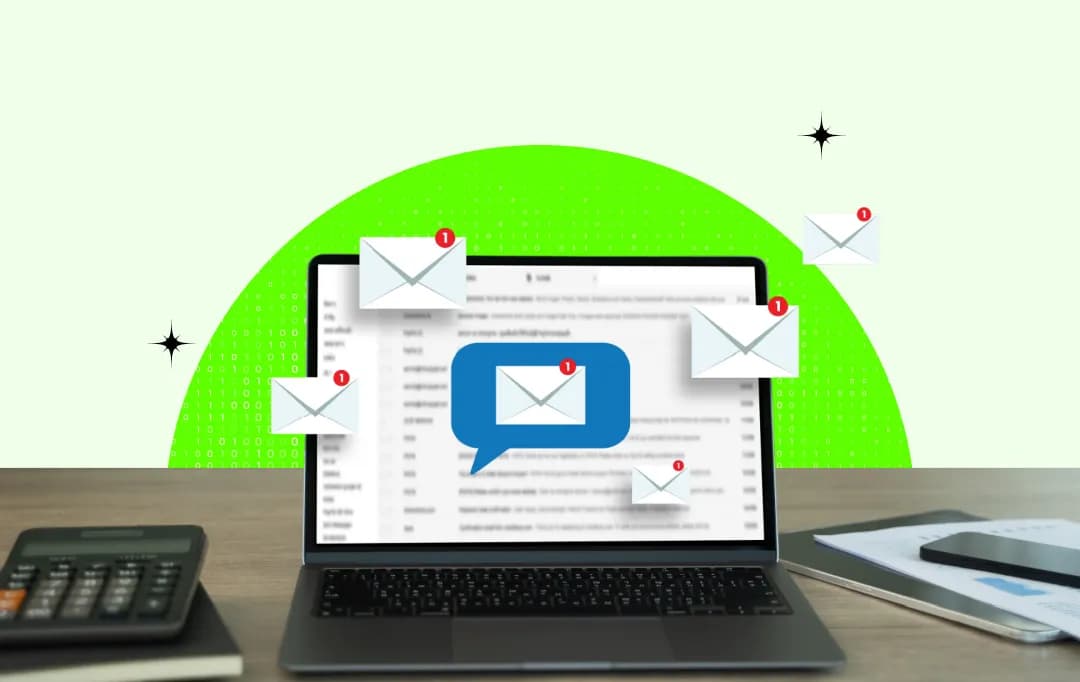 While social media platforms come and go, the email list is the ultimate "digital real estate" that no one can take away. There has never been a better time to launch a business that helps brands reclaim their independence from big-tech platforms.
The average ROI of email marketing is $36 for every dollar spent, making it one of the most profitable services in digital marketing you can offer. Email lists are curated, based on the pain points and interests of your audience, unlike social media, where you could be at the mercy of algorithm changes. No pay-to-play reach. Only straight forward to an audience that chose to listen to you.
This guide explains how to start an email marketing business, regardless of whether you are starting a solo consultancy or establishing a full-service agency. Keep reading as we take you through the strategy, platform selection, list building, compliance, content, and optimization processes. Let’s start with the basics.
What is Email Marketing?
An email marketing business model involves managing targeted messaging for client lists to develop relationships and drive sales. Your core offering consists of four elements: list management, an email marketing platform, content strategy, and automation: a permission-based email list, an email marketing platform, a content strategy that includes various campaign types, and automation that delivers the right message without manual work.
It also helps to familiarize yourself with email marketing laws before sending anything. Consent, unsubscribe rights, and data processing are regulated by the CAN-SPAM Act (USA), GDPR (EU), and CASL (Canada). Leaving them unattended doesn't only lead to spam complaints, but also has the potential to blacklist your domain and cost your business up to six figures. In extreme cases, poor security practices can even compromise accounts, knowing how to respond, such as steps to recover hacked email, becomes essential for maintaining business continuity.
It is much less expensive to make compliance part of your core as you form your foundation than to remediate afterwards. Consider it as part of vital infrastructure, not a legal requirement.
What Makes Email Marketing a High-Value Service
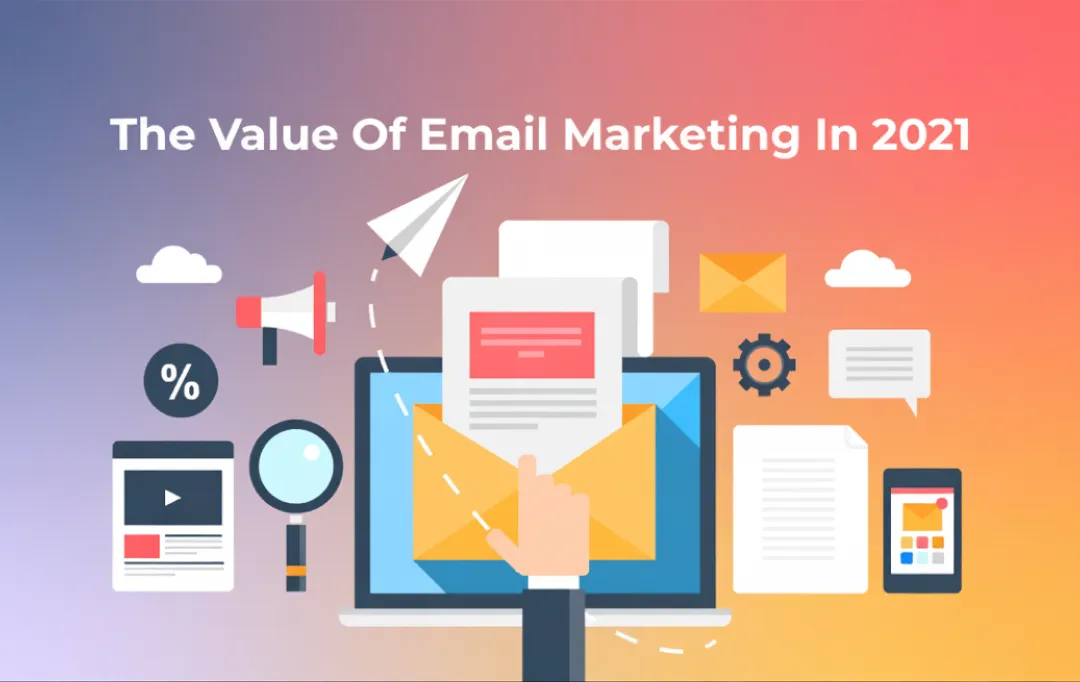
Starting an email marketing business is highly lucrative because you are managing the most stable, high-conversion channel in digital marketing. When pitching to potential clients, use these core benefits of a good email marketing strategy:
- High return on investment: Due to the low marginal cost of emailing, even average conversion rates result in high levels of profitability. There is no other digital marketing strategy that can rival ROI alone.
- Building "Digital Real Estate": Unlike social media marketing where an algorithm change can destroy a business overnight, you are helping clients build an asset they truly own. This positions you as a protector of their most valuable data.
- High-Margin Automation: By setting up automated flows, such as welcome series and abandoned cart recoveries, you create systems that generate revenue for your clients 24/7. For your business, this allows for scalable service delivery with high profit margins.
- Advanced Personalization & Expertise: Modern platforms allow for dynamic content and behavioral triggers. Offering this level of technical sophistication allows you to move away from "cheap" newsletter writing and into "high-value" marketing engineering.
- Precision Through Segmentation: By separating a client’s audience based on behavior and purchase history, you deliver hyper-relevant campaigns. This expertise ensures higher open rates and proves your value as a data-driven strategist.
- Measurable Performance and Retention: Every open, click, and conversion is tracked. This granular reporting makes it easy to show clients exactly how much money your agency is making them, which is the key to long-term client retention.
These advantages highlight why the email marketing business model continues to be one of the most reliable growth channels. However, you still need a structured approach that aligns email efforts with clear goals and measurable outcomes.
How to Create Effective Email Marketing Goals and Strategy?
Planning ahead of implementation is always the way to go for effective email marketing. Companies that treat email without a proper plan lose time and finances on campaigns that fail to tie to business success.
Here’s how you can create an effective email marketing strategy in three simple steps:
- Identify SMART targets: Specific, Measurable, Achievable, Relevant and Time-bound. “Grow our list” is not an objective. "Grow our list from 500 to 2,000 subscribers in 90 days using a homepage lead magnet" is. Create rich buyer profiles - learn the goals, pain points, and behaviors of your audience that make email content personal and not generic.
- Describe your type of campaign mix: Will you conduct weekly educational newsletters? Seasonal promotional emails? A lead nurturing sequence? Once decided, assign each type of campaign to a certain business objective, i.e. growth, revenue, or retention, and have measurable goals for each.
- Mapping workflow: Create documented processes for who signs emails, the enrollment criteria to join an automation, and how results are reviewed and communicated to stakeholders. This will ensure your program is the same and scalable as you grow your team.

A clear email marketing program ensures consistency, scalability, and measurable performance.
Choosing an Email Marketing Service
Your email marketing platform is your infrastructure. When starting out, choose a platform that scales with your business and supports the specific market you serve. Mastering one or two of these tools allows you to position yourself as a specialized expert.
Popular platforms by use case:
- Mailchimp: Easy to use; drag-and-drop interface, free.
- Klaviyo: Perfect to use in eCommerce; good behavioural segmentation and revenue monitoring.
- ActiveCampaign: Scalable teams; powerful automation and CRM.
- ConvertKit: Perfect for creators; made to interact with the audience through content.
What to compare prior to selection:
- Scalability & Margin: Review pricing for large lists. As your clients grow, ensure the platform costs don't eat into your service margins.
- Advanced Customization: Look for robust template builders that allow you to deliver a unique brand identity for every client.
- Built-in Lead Capture: Native forms and landing pages reduce the need for third-party tools, simplifying your workflow and lowering client costs.
- Reporting & Analytics: High-level data; moving beyond opens and clicks to actual revenue is essential for proving the value of your business.
- Account Management: Prioritize platforms that allow you to manage multiple client accounts efficiently under a single professional dashboard.
Finally, pay attention to small but impactful features. Pre-send checklists, deliverability tools, and compliance safeguards (like unsubscribe visibility) can prevent costly mistakes. These details often go unnoticed during selection but make a significant difference in day-to-day business email marketing services.
With your tech stack finalized, the next step is building your clients' most valuable asset: their audience.
Building and Managing Email Marketing Lists
The following email list building strategies are the "product" you will implement to ensure your clients see consistent growth.
1. Deploy High-Value Lead Magnets
The quickest way to expand a list is by offering something instantly helpful. As a service provider, you will design checklists, templates, mini-courses, or unique reports. The more specific the lead magnet is to the client's audience, the higher the opt-in rates you can report back to them.
2. Strategic Opt-in Placement
You must identify touchpoints where user intent is highest. Incorporate opt-in forms on homepages, blog posts, exit-intent pop-ups, and checkout pages. Keep the initial friction low, collecting just an email address first to prevent drop-offs.
3. Segmentation from Day One
Professional email marketing businesses focus on relevance. Tag subscribers based on how they entered the list or what they downloaded. This allows you to send personalized first interactions, which significantly boosts long-term performance metrics.
4. Ongoing List Hygiene
A core part of your business service should be "list maintenance." Keeping a list clean is essential for deliverability. You should provide regular audits to ensure your client’s sender reputation remains high.
| Action | Why it Matters for Your Business |
|---|---|
| Remove hard bounces | Protects the client's sender reputation and overall email performance |
| Identify inactive users | Reduces engagement drag and improves open and click-through rates |
| Run re-engagement campaigns | Helps recover and convert previously inactive or lost subscribers |
| Remove unresponsive contacts | Prevents unnecessary costs and keeps the email list clean and efficient |
5. Protecting Deliverability from the Start
You cannot afford not to use a professional email address on a custom domain. Frequent testing will make sure that the messages of your client will enter the inboxes rather than spam mail boxes. A portion of your skills will be to guide clients on avoiding deceiving or overly promotional subject lines that can damage their sender reputation and your campaign performance.
With the list-building foundation set, the focus shifts to the legal and ethical framework of your business operations.
In the case of your email marketing business, compliance is not only a matter of avoiding fines, but also a fundamental service that guarantees the reputation of your clients. By 2026, inbox providers such as Gmail and Yahoo have turned most of these "email marketing best practices" into mandatory requirements to remain out of the spam folder.
Compliance and Regulations
Compliance is absolutely necessary for any email marketing business, and should be instilled at the start. Below are some commonly-used laws set by different countries that you should be aware of.
- CAN-SPAM Act (USA): Each commercial email has to contain your physical address, mailing address, correct subject line and an effective unsubscribe link. The request to opt out has to be respected in 10 business days. The From name should be able to distinguish your business - a misleading sender's name is strictly forbidden.
- GDPR (EU): Must have explicit and documented subscriber consent to send marketing emails to EU residents. Pre-checked boxes do not count. The subscribers need to take the initiative to subscribe and you need to demonstrate consent. People also have the right to view, amend and remove their data at all times.
- CCPA (California) and LGPD (Brazil): These work in similar principles of providing residents the rights over their personal data and necessitating disclosure of privacy laws in your privacy policy.
- DNS records: All bulk senders are now required to have SPF, DKIM, and DMARC records on their sending domain at Gmail and Yahoo. Setting these records up correctly is only half the job, so it helps to run them through a tool like dmarkoff that checks these record setups and flags anything misconfigured. DNS records verify your email and indicate to the inbox providers that you are a legitimate email sender.
Types of Email Marketing and Their Real-Life Use Cases
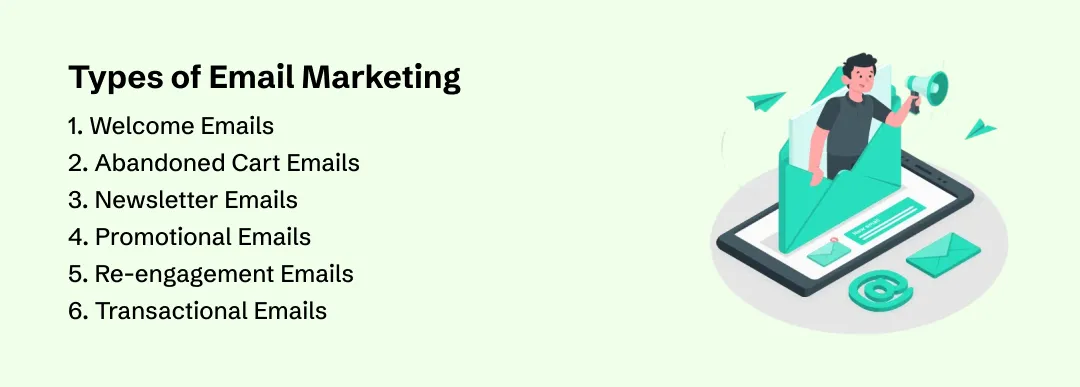
The whole customer journey is managed by a comprehensive email marketing business based on specific types of campaigns. These are your main service offerings when it comes to pitching to clients:
1. Welcome Emails (Onboarding and first impressions)
Immediately upon signup, welcome emails are sent to establish the future communication tone. They usually present the brand, showcase major offerings and lead the user into a first action.
Duolingo also sends a series of onboarding emails that nudge new users to take their first lesson and this has been found to greatly improve the rates of activation.
2. Abandoned Cart Emails (Revenue Recovery)
These are automatic reminders that are dispatched in cases when a user places items into their cart but does not purchase. They can be in the form of urgency, product visual, or incentives.
For instance, many brands including ASOS are applying the strategy of personalized abandoned cart emails that include product images and a slight sense of urgency to recover lost sales.
3. Newsletter Emails (Engagement & Retention)
Newsletters are repeated emails that are used to educate, inform or entertain subscribers and remind them of the brand.
Morning Brew established its whole business on the basis of daily newsletter emails that convey brief, attention-grabbing content, which results in high open rates and loyalty.
4. Promotional E-Mails (Sales and Conversions)
Such campaigns aim at inducing action, whether it be offers, product launch, seasonal campaigns.
Amazon sends time-sensitive promotional emails throughout events such as Prime Day, which include a sense of urgency and personalized recommendations to optimize conversions.
5. Re-engagement Emails (List Revival)
These emails are sent to dormant subscribers in an attempt to regain interest or purge the list in case the users do not respond.
Grammarly sends re-engagement emails pointing out missed insights and usage statistics to rejuvenate dormant users.
6. High-Intent Touchpoints: Transactional Emails
They are activated on user actions like a purchase, signing up, or resetting passwords. Although functional, they too offer cross-sell or upsell opportunities.
Uber incorporates trip summaries and personalized recommendations in their transactional emails, which are more frequently used.
The different types of campaigns play a particular role in the customer journey, from acquisition to retention. It is not only the usage, but also matching them with clear goals and timing them according to the user actions.
Creating and Designing Email Content
To ensure your business delivers professional results, every email you design for a client should follow a strategic framework, based on the following email marketing tips.
1. Subject lines and preview text
The email will be opened based on your subject line. Make it brief (preferably less than 50 characters on mobile), centered on a definite advantage or interest, and not loaded with spam-inducing elements such as over-capitalization. Couple it with some bold preview text to drive the point home.
2. Quick scan design
Email users mostly skim email, particularly on mobile. Clear designs with lots of white space make content more readily digestible. Use uniform headers and footers to create a brand identity, and purposeful visuals. Always add alt text, that way you can be sure that your message is clear even when the pictures are not loaded. Above all, design your email with one CTA in mind, which should not be hidden under a thick text, especially in the context of email marketing in the mobile phone age.
3. Deliver enriching content
Emails will work effectively when they create value regularly. This may include content available only to subscribers, useful materials such as templates or guides, industry knowledge, or individual suggestions based on user behavior. It should always be about what the reader will receive- not what the brand wants to shove.
Once your content is in place, the next step is ensuring it performs and improves with every send.
Optimizing and Experimenting Campaigns
Effective email marketing is enhanced through iteration. Every campaign offers statistics, what was successful, what was not, what needs improvement next time.
1. A/B testing (split testing)
Isolate variables, one at a time to determine what drives results. This may be subject lines, call to action text, send dates, email size, or layout. Record results of documents and implement learning to subsequent campaigns. Such improvements gradually accumulate to a great achievement.
2. Key metrics to track
Every campaign generates data, these key metrics help you interpret performance and guide your next steps:
| Metric | What it Depicts |
|---|---|
| Open rate | Indicates subject line effectiveness and overall list engagement trends |
| Click rate | Shows how well your content and call-to-action resonate with recipients |
| Conversion rate | Measures how many recipients completed the desired action |
| Unsubscribe rate | Signals content fatigue or misaligned targeting |
| Spam complaint rate | Should remain below 0.1% to maintain strong deliverability |
3. Continuous optimization
Apply platform analytics to determine timing trends, content preference, and user behavior. Applications such as Phrasee can create and test the subject lines at scale, and enhance performance based on AI insights.
Check your email routines frequently- particularly those that are automated. The same campaigns that worked well several months ago might require new messaging, new offers, or new triggers to help keep them effective as your audience and business change.
Conclusion
Email marketing is effective because it is a system- not a single tactic. If you're still figuring out how to start an email marketing business, focus on building a strong foundation with the right tools, strategy, and audience. Having clear objectives and the platform to post, or conduct business, and having a good list, compliance, and content, every step contributes to achieving steady outcomes.
Execution and iteration is what makes the difference between a successful email marketing business and mediocre ones. It is the capability to divide audiences, provide value-based content, and constantly optimize it based on performance data that makes email a predictable growth channel.
Relevance, trust and quantifiable results should always be in focus as your program is increasing. When all these factors come together, mail marketing can be considered one of the most reliable channels of engagement, retention and revenue generation.
Frequently Asked Questions
What is email marketing and how does it work?
Email marketing is the act of sending messages of relevance to a list of subscribers to establish relationships, market products and convert. It operates on the basis of audience segmentation, content strategy and robotics, making sure that the correct message gets to the correct user at the correct time.
Why is email marketing essential to businesses?
Email marketing provides direct contact to a permission-based market, unlike social media. It provides a high ROI, enables personalization on a large scale, and enables businesses to nurture leads and retain customers by regularly communicating with them in a targeted manner.
What is the most important part of an email marketing plan?
An effective plan involves good objectives, good mailing list, proper platform, segmented campaigns and performance monitoring. Another significant contributor to the enhancement of efficiency and outcomes in the long run is automation and ongoing optimization.
What about the selection of the appropriate email marketing platform?
Choose a platform according to the size of your business, objectives, and future. Compare price scales, automation capabilities, level of analytics and usability. The platform must be able to accommodate your present and future developments.
What can I do to develop a quality email list?
Pay attention to organic development using lead magnets such as guides, templates, or tools. Put opt-in forms on high intent pages and make the sign-up process as simple as possible. Separate subscribers initially in order to have relevant communication and enhanced interaction.
What are the most frequently used email campaigns?
The most popular types of campaigns are welcome emails, newsletters, promotional campaigns, abandoned cart emails, re-engagement emails, and transactional emails. Each of them has a particular role throughout the customer journey, including acquisition and retention.
What can I do to increase email open and click-through?
Write succinct and scannable content, concise benefit driven subject lines, and have a strong call-to-action. Divide your fans and do regular A/B tests to determine what your subscribers are the most responsive to.
What are email marketing metrics that I need to follow?
Open rate, click rate, conversion rate, unsubscribe rate, spam complaint rate are key metrics. These allow you to see how well your campaigns are doing, what is going wrong and what you can do better next time through optimization of your email strategy.
What is the cost to start an email marketing business?
The start-up cost of an email marketing company is normally between 100 and 2,000 dollars. The first costs are an email marketing system, domain, and simple tools. Lean beginnings keep costs minimal and scaling with automation, high-quality software, and support staff ramp up investment as time goes by.

Uncover executable insights, extensive research, and expert opinions in one place.
Related Content