- 1. Generative AI Market Explosion
- 2. The Trust Gap in AI Code
- 3. Serverless Architecture Dominance
- 5. Progressive Web Apps (PWA) Surge
- 6. Low-Code/No-Code Revolution
- 7. Blockchain Beyond Crypto
- 8. Cybersecurity Market Explosion
- 9. The Chatbot Economy
- 10. Internet of Behaviors (IoB)
- 11. API Management Importance
- 12. 6G Market Growth
- 13. Quantum Computing Horizon
- 14. AR/VR Market Integration
- 15. Green Technology & Sustainability
- 16. Mobile Traffic Dominance
- 17. Cloud Computing Scale
- 18. Web Gaming Expansion
- 19. AI Coding Efficiency
- 20. The Era of Vibe Coding
- 21. The Art of Outsourcing Web Development
 Share It On:
 This overview of web development trends in 2026 highlights the market signals already shaping how modern systems are built and scaled. The data points below set the context—each one ties to a deeper structural shift explored later in the analysis.
Web development trends in 2026 are no longer shaped by taste or tooling debates. When the Internet of Behaviors market is racing toward USD 1,818 billion by 2030, it becomes clear that the web has shifted from building pages to engineering influence, response, and control at scale.
The internet doesn’t evolve gently—it sheds skin. One year, your stack feels stable; the next, it’s a liability. If you’re still debating monoliths versus microservices or dismissing AI as a passing phase, you’re not lagging behind—you’re designing for irrelevance. What once passed for “modern web development” is now being stress-tested by volume, speed, and automation.
This is not a discussion about visual polish or frontend fashion. The current web development trends point to a deeper structural rewrite: how code is written, how systems heal, and how decisions get made without waiting for humans to intervene.
Overview of the Latest Web Development Trends in 2026
These aren’t forecasts. These are pressure points already visible in the numbers, and before we take you deep into details, here’s a small sample of datapoints you will come across ahead. But don’t leave just after this section, or you will be losing some critical insights that might influence how your product grows in the market.
Let’s begin!
- Generative AI is reaching USD 2.8 billion by 2030, says code creation is shifting upstream, whether teams like it or not.
- Trust hasn’t caught up. Only 29% of developers believe AI output without checking it.
- Serverless is heading toward USD 96.35 billion by 2032 because owning servers slows reaction time.
- Edge computing at USD 424 billion by 2030 exists for one reason: users don’t wait.
- Low-code and no-code are growing to USD 35.22 billion by 2030 because speed beats neatness early on.
- Cybersecurity crossing USD 699.39 billion by 2034 confirms attacks are assumed, not prevented.
- Mobile already drives 64% of global traffic. Desktop-first is now a minority choice.
- Cloud computing is moving toward USD 2,281.1 billion by 2030 because everything ends up there anyway.
- AI-assisted coding being 47% faster changes responsibility more than productivity.
- AR and VR nearing USD 386.70 billion by 2030 hint at a web that’s no longer flat.
Now, read further for deeper breakdowns, context, and the full set of supporting stats behind each shift.
The Great Restructuring Driven by Latest Web Development Stats
We are witnessing a historical pivot in the future of web development. The role of the developer is transforming from a writer of syntax to an architect of logic, and if you don't adapt, you will be left guarding an empty castle.
1. Generative AI Market Explosion
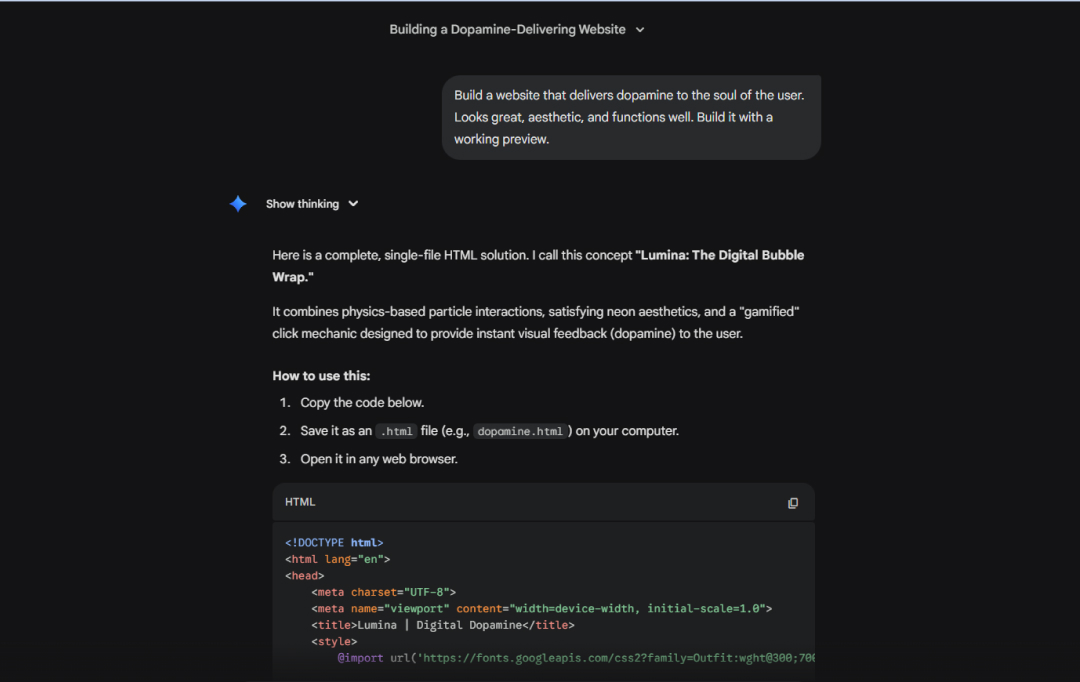
- Market to hit USD 2.8 billion by 2030
Stop viewing artificial intelligence as a plugin; it is the platform. The most disruptive shift isn't in what we build, but how the code itself comes into existence. AI web development trends have moved from simple assistance to full-scale architectural generation, meaning software writes software, and your job is to make sure it doesn't write something stupid.
2. The Trust Gap in AI Code
Despite the deafening hype, blind reliance on algorithms is a dangerous gamble. While most developers use these tools, the Stack Overflow 2025 survey reveals a massive trust deficit. This necessitates a "human-in-the-loop" approach, where senior engineers must audit AI in web design and logic, or you risk deploying automated failures at scale.
3. Serverless Architecture Dominance
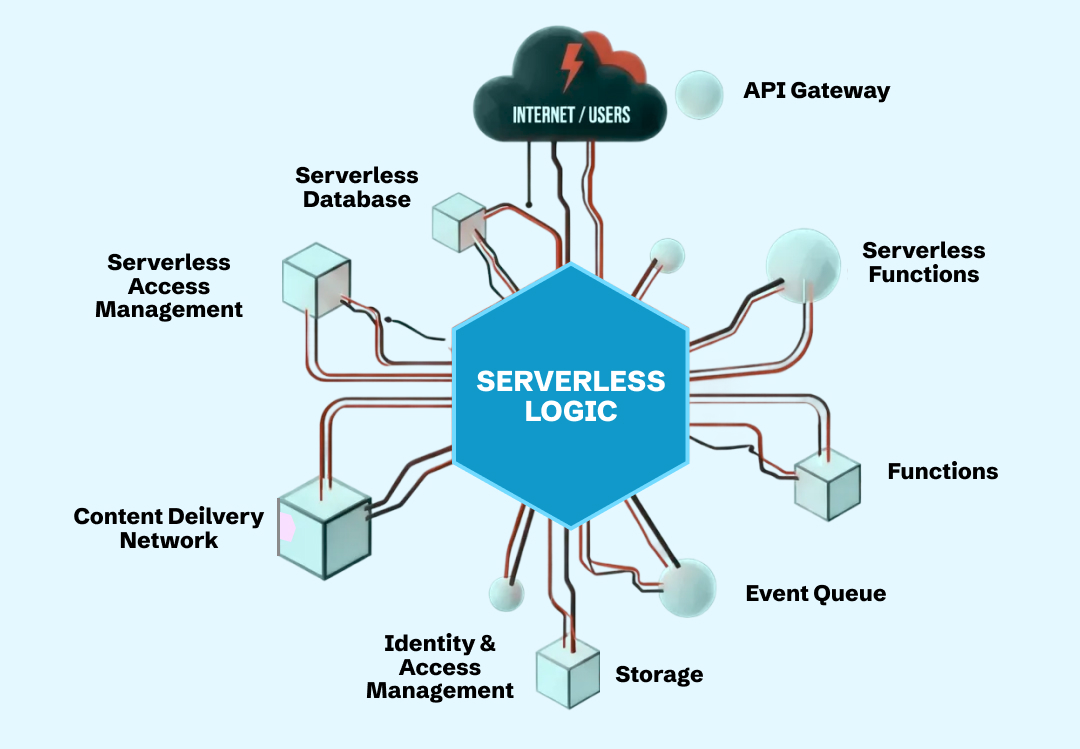
- Market reaching USD 96.35 billion by 2032
Managing physical servers is a liability; it’s heavy, expensive, and slow. The shift to serverless is not just a cost-saving measure but a scalability mandate. We are seeing a mass migration where web development technologies act less like centralized brains and more like distributed, responsive nervous systems that scale to zero when no one is watching.
4. Edge Computing Expansion
- Market valuation of USD 424 billion by 2030
Latency now feels like a failure to most users. If an app hesitates, people leave without thinking twice. Edge computing works because it moves processing closer to where actions happen. This setup matters for emerging web technologies that simply cannot tolerate delay.
5. Progressive Web Apps (PWA) Surge
- Market valuation of USD 424 billion by 2030
App stores are useful, but they also slow things down. PWAs let businesses ship updates and features without waiting for approvals. When you hire web developers, offline support matters more than most teams admit. An app that stops working underground is usually abandoned.
6. Low-Code/No-Code Revolution
- Sector expanding to USD 35.22 billion by 2030
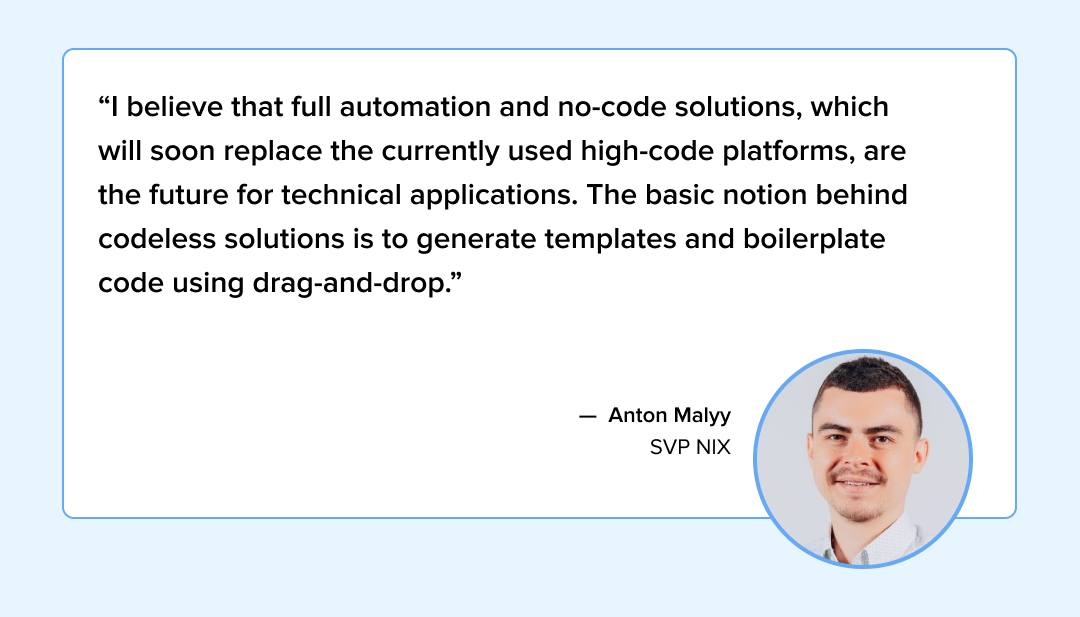
This conversation we had with Anton Malyy, the Co-Founder of TRIARE, fits well with this next data. Speed beats polish in most early decisions. AI web development companies use low-code and no-code tools to move faster, not to cut corners. Developers are still needed, just not for repetitive setup work. The real value is focus, not replacement.
7. Blockchain Beyond Crypto
- Market worth USD 393.45 billion by 2030
Forget the noise about Bitcoin; this trend is entirely about identity and security. Decentralized ledgers are finally finding their footing in web development companies, offering a way to verify user identity without hoarding sensitive data in vulnerable, centralized honeypots that are just waiting to be hacked.
8. Cybersecurity Market Explosion
- Reaching USD 699.39 billion by 2034
The threat landscape is asymmetric; attackers only need to be right once, while we must be right every time. As the web development processes evolve, so do the vectors of attack. Automated, AI-driven defense systems are now a baseline requirement, not a luxury add-on for the paranoid.
|
Fear Of Cyberattacks Is Making You Lose Sleep? Let the cybersecurity experts we featured improve the security of your websites! |
9. The Chatbot Economy

- Market size of USD 27.29 billion by 2030
Customer service is rapidly becoming algorithmic. The new wave of outsourcing web development services involves integrating NLP-driven agents that don't just answer FAQs but execute complex transactions. We are talking about replacing entire tier-1 support teams with code that never sleeps.
10. Internet of Behaviors (IoB)
- Market skyrocketing to USD 1,818 billion by 2030
The latest web development trends suggest that we are moving from tracking data to tracking intent. IoB leverages user data to influence behavior, a powerful and controversial shift. You need to navigate this carefully to gain the advantages of hiring web development companies that understand the ethical line between personalization and surveillance.
11. API Management Importance
- Valued at USD 21.35 billion by 2030
The world is connected by APIs, and if yours breaks, your business breaks. A robust API-first strategy ensures your platform isn't an island. This calculation of web development cost must include robust API architecture, or you will pay for it later in technical debt.
12. 6G Market Growth
- 6G market growth is set to explode in the coming decade.
According to the latest market forecasts, the global 6G market was valued at approximately USD 8.30 billion in 2025 and is expected to surge to about USD 57.55 billion by 2034, expanding at a strong compound annual growth rate.
The rollout of 6G allows for heavy, data-intensive applications like real-time 3D rendering to run in the browser. This is one of the most significant tech trends, shifting power from local hardware to the network.
13. Quantum Computing Horizon
- Growing to USD 20.2 billion by 2030
While still nascent, quantum computing threatens to break current encryption standards overnight. Forward-thinking CTOs are already looking at quantum-resistant algorithms, a niche but vital consideration in new web development technologies.
14. AR/VR Market Integration
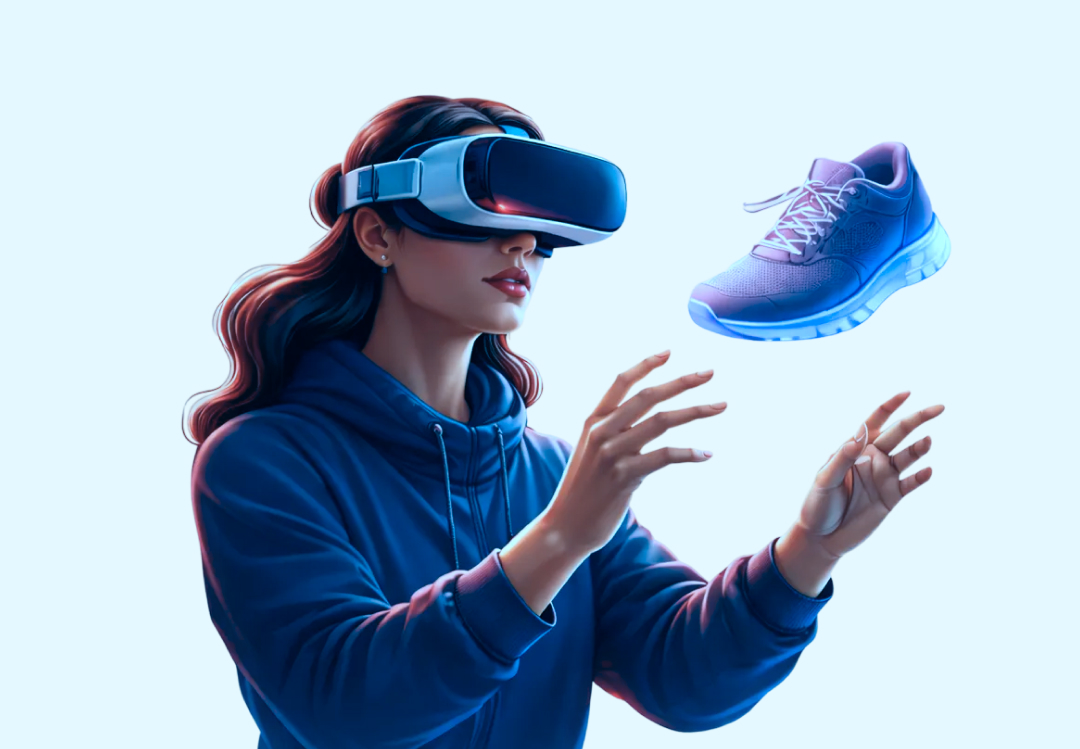
- Size expected to reach USD 386.70 billion by 2030
The web is becoming spatial. E-commerce is leading this charge with virtual try-ons. These AR trends require significantly more resources than traditional 2D interfaces but offer engagement levels that flat pages cannot match. Folks are pairing up these technologies with AI to deploy smarter virtual previews and try-ons of their products.
15. Green Technology & Sustainability
- Market worth USD 73.9 billion by 2030
Digital carbon footprints are finally coming under scrutiny. Sustainable web design is becoming a regulatory necessity. Optimizing code to reduce energy consumption is a critical part of current trends in web development.
Practices like reducing image sizes by supporting WebP, eliminating heavy libraries, and getting rid of auto-play videos are just some of the examples of practices adopted by these pros. Green web hosting is also a concept rising in popularity, and names like GreenGeeks, DreamHost, etc., are leading the charge.
16. Mobile Traffic Dominance
- 64% of global traffic comes from mobile
If you are designing for desktop first, you are designing for the minority. Mobile-first indexing is the law of the land now. The latest web development technologies demand a thumb-friendly approach to navigation and layout, and even Google has started prioritizing mobile-first websites to support a more accessible web environment.
17. Cloud Computing Scale
- Market predicted to hit USD 2281.1 billion by 2030
The cloud is the water we swim in. The vast majority of business data now resides here, making cloud-native skills the single most important asset when evaluating infrastructure.
18. Web Gaming Expansion
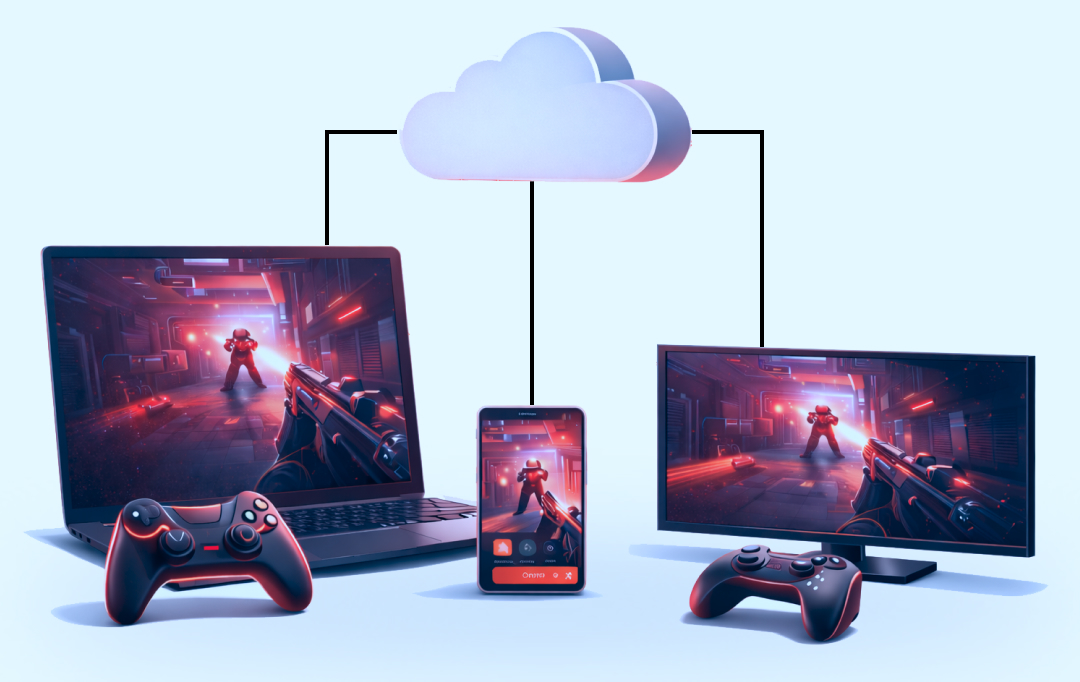
- Cloud gaming market to reach USD 21.04 billion by 2030
The browser is the new console. WebGPU and WebAssembly are enabling console-quality experiences without downloads. This opens massive new revenue streams for developers who can master high-performance environments. Game developers are now trying to tap into this opportunity to stay ahead in the race.
19. AI Coding Efficiency
- Generative AI makes coding 47% faster
The efficiency gains are undeniable. However, speed must be tempered with governance. The best teams use this velocity to iterate on product value, not just to churn out more lines of code. These developers are using GenAI not just to write code faster but to test websites across thousands of devices.
20. The Era of Vibe Coding
- Market projected to reach USD 325 billion by 2040
Coined by Andrej Karpathy, this practice shifts the developer’s role from writing syntax to guiding intent. It is the ultimate democratization of software, allowing natural language to replace complex logic. This trend effectively turns every product manager into a potential engineer, prioritizing the "vibe" or outcome of the application over the rigidity of the code that powers it.
21. The Art of Outsourcing Web Development
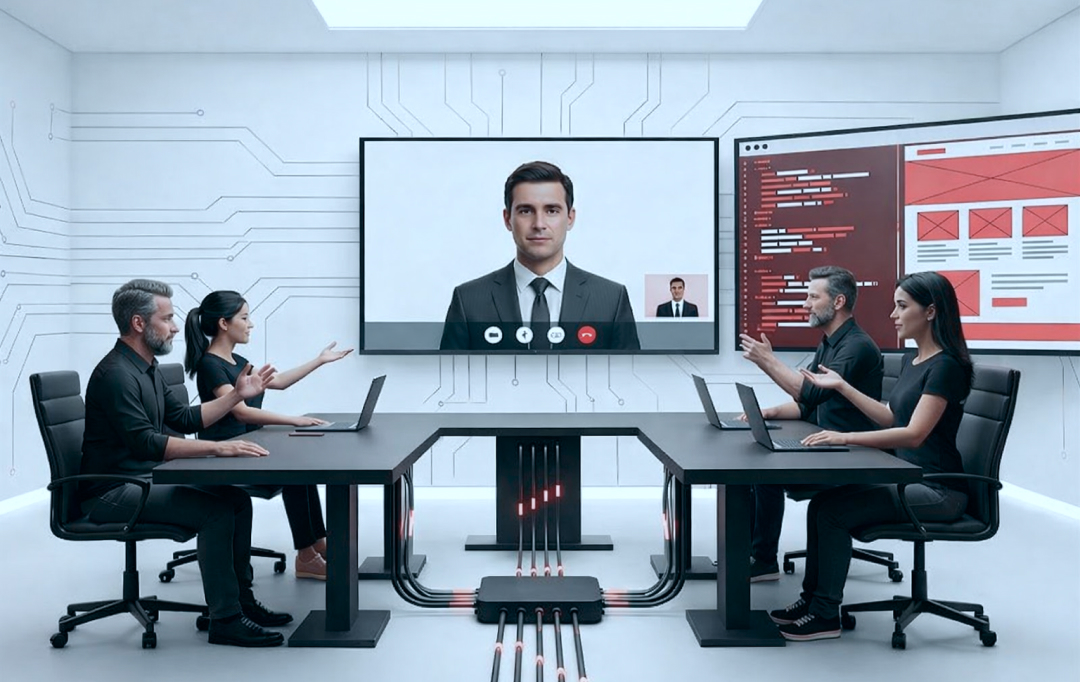
- The market is reaching USD 2.9 billion by 2035 at a 6.3% CAGR
It’s not always possible to hire in-house teams, especially for firms not planning to make too many changes to their websites too often, beyond minor maintenance tasks. As a result, outsourcing web development is quite trendy. The reason? It gives website owners the freedom to get their site developed without having to delve into the shenanigans of managing development projects.

Conclusion
The convergence of these technologies paints a clear picture. Blockchain for identity (finally useful), AI for execution, and Edge for delivery are breaking down the traditional silos. We are staring at a future where the code writes itself, the design paints itself, and the infrastructure heals itself. Your job is to define the purpose. These trends are merely the wind; we still have to steer the ship.
Frequently Asked Questions
What are the most critical emerging web technologies for 2026?
WebAssembly matters because browsers are no longer just for lightweight tasks. Serverless edge platforms matter for a simpler reason: users feel the delay instantly. AI in backend logic is quietly becoming expected, not impressive.
How will AI impact the future of web development?
The work is slowly moving away from typing syntax all day. Engineers are spending more time deciding what systems should do, not how every line works. Testing and cleanup are increasingly handled before humans even look.
Is the PWA market actually growing?
Yes, mostly for practical reasons rather than hype. Companies want mobile reach without depending entirely on app stores. PWAs sit in that middle ground and keep getting better at it.
Should startups focus on Low-Code or No-Code platforms?
Early on, speed usually beats technical perfection. Low-code tools help teams test ideas without burning cash. Deep custom engineering makes more sense once the idea survives contact with users.
Why is Edge Computing becoming essential for web apps?
Distance still matters, even on fast networks. Users read latency as bad quality, even when the product is solid. Processing closer to them removes friction that design alone cannot hide.

Uncover executable insights, extensive research, and expert opinions in one place.
Related Content