
Recently, our content team realized we needed to optimize our own crawling efficiency. So, we decided to dig in, test the market, and find out which platforms actually deliver the goods.
We bypassed the fluffy marketing copy and rigorously analyzed these systems to find the absolute best sitemap generator tools available right now. If you're tired of invisible pages and indexing errors, skip the guesswork. We're breaking down the platforms that actually earn their keep.Read Less
Best Sitemap Generator Tools Can Help
Table of Content
- 1. XML-Sitemaps.com
- 2. Yoast SEO
- 3. XML Sitemap Generator for Google
- 4. Octopus.do
- 5. RankMath
- 6. Slickplan
- 7. Screaming Frog
- 8. Dyno Mapper
- What Are the Key Features You Should Look For in the Best Sitemap Generator Tools 2026?
- How Did We Select These Top Sitemap Generators for This List?
- The Final Verdict: Build Your Roadmap
- FAQ
Recent Topics
Related Topics
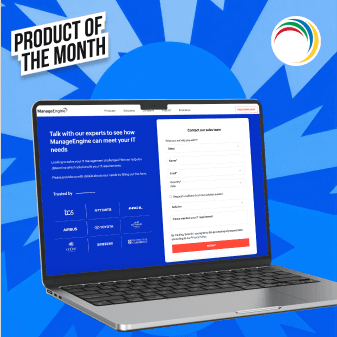

XML-Sitemaps.com
Pros & Cons
Pros
- No registration required for quick use
- Instantly generates accurate files
- Free for up to 500 pages
- Email notifications upon completion
Cons
- Pro version needed for sites over 500 pages
- Lacks visual planning and architecture features
- No native CMS integration
- Ads present on the free version
Why You'll Love It
It offers absolute simplicity. Paste a URL, click start, and walk away with a perfectly formatted file in seconds—no coding, configuration, or technical headaches required.Top Features
- Automatic XML, HTML, and Text sitemap generation
- Broken link detection during the crawling process
- Direct download or email delivery of sitemap files
- Pro version offers automatic updates and unlimited pages
- Automatic XML, HTML, and Text sitemap generation
More about product
When looking for the best online sitemap generator, this platform consistently surfaced as the most straightforward solution on the market. We ran a few test sites through it and were genuinely impressed by the sheer speed. There’s no bloated dashboard or complex onboarding; it just does exactly what it says on the tin.
While it isn’t built for complex enterprise architecture, our analysis showed it’s arguably the best free sitemap generator for small portfolios, landing pages, or single-service sites. It’s a pure, functional utility that strips away the noise.

Yoast SEO
Pros & Cons
Pros
- Seamless WordPress ecosystem integration
- Automatically updates upon publishing
- Splits large sitemaps to prevent timeouts
- Extremely beginner-friendly setup
Cons
- Premium needed for advanced technical features
- Can be resource-heavy on older servers
- Interface is sometimes cluttered with upsells
- Strict adherence to its own SEO philosophies
Why You'll Love It
It acts as an automated technical co-pilot. By dynamically updating the sitemap every time a new post goes live, it ensures search engines always have the latest content without any manual input or ongoing maintenance.Top Features
- Automated XML sitemap creation and submission
- Custom taxonomy and post-type exclusions
- Pagination for large sitemaps to improve load times
- Integrated image sitemap generation
- Automated XML sitemap creation and submission
More about product
Yoast has long been considered one of the best SEO tools, and its backend functionality is a major reason why. In our testing, we appreciated how deeply it weaves into WordPress. You don't have to actively think about generating a sitemap.
The plugin handles it silently in the background. We noticed that for larger publications, its ability to split sitemaps automatically prevents timeouts and keeps Google's crawlers happy. It’s a highly reliable, set-and-forget solution that integrates smoothly with your daily publishing workflow.

XML Sitemap Generator for Google
Pros & Cons
Pros
- Extremely lightweight and fast
- Completely free with no hidden tiers
- Pings search engines instantly on updates
- Highly customizable indexing priorities
Cons
- Outdated, purely functional interface
- Strictly limited to WordPress sites
- Lacks modern visual mapping features
- No on-page content analysis tools
Why You'll Love It
It delivers uncompromising control over how search engines read a site. The ability to fine-tune crawling priorities and frequencies makes it a powerhouse for precise technical optimization.Top Features
- Automatic search engine notification (pinging) on updates
- Support for custom post types and taxonomies
- Granular control over priority and change frequencies
- Zero performance drag on website loading speeds
- Automatic search engine notification (pinging) on updates
More about product
Often cited as the best sitemap generator for WordPress by technical purists, this plugin is a breath of fresh air if you want pure functionality without bloat. Our team analyzed its impact on site speed, and it’s practically invisible.
While it doesn't hold your hand with a shiny UI, we found its raw configuration options unmatched. It allowed us to easily command search engines exactly which archives to ignore and which high-value landing pages to prioritize, making it a stellar choice for granular control.

Octopus.do
Pros & Cons
Pros
- Lightning-fast visual architecture mapping
- Intuitive drag-and-drop interface
- Real-time collaboration features
- Great for rapid prototyping
Cons
- Not designed for generating XML files for SEO
- Free tier is highly restricted
- Steeper learning curve for advanced exporting
- Limited crawler capabilities
Why You'll Love It
It turns abstract site architecture into a visually stunning, interactive map. The block-based design approach makes planning massive website structures feel incredibly intuitive and organized.Top Features
- Visual drag-and-drop site architecture builder
- Wireframe generation for individual page layouts
- Export options to PDF, PNG, and distinct text formats
- Live collaborative editing with team members
- Visual drag-and-drop site architecture builder
More about product
Not every tool is about pleasing Google bots; some are about human strategy. When we evaluated Octopus.do, we looked at it from an architectural standpoint. As a visual sitemap creator, it’s brilliant for the planning phase of a website redesign.
We mapped out a complex directory structure and found the real-time collaboration features completely eliminated the usual back-and-forth email chains. It beautifully bridges the gap between content planning and UX design, giving the whole team a clear bird's-eye view of the project.

RankMath
Pros & Cons
Pros
- Lightweight modular design
- Built-in AI content integrations
- Comprehensive free version
- Clean, modern user interface
Cons
- Setup wizard can be overwhelming for beginners
- Support is limited on the free tier
- AI credits deplete relatively quickly
- Advanced schema requires Pro
Why You'll Love It
It combines blazing-fast technical performance with modern features. The clean, modular design means you only activate the specific functions you actually need, keeping your website’s backend incredibly lean.Top Features
- Modular XML sitemap generation
- Integrated Google Search Console dashboard
- Automated News and Video sitemaps (Pro tier)
- Advanced custom post type inclusion and exclusion rules
- Modular XML sitemap generation
More about product
RankMath has aggressively positioned itself as a top sitemap generator, and our deep dive confirmed it lives up to the hype. We particularly liked its modular nature—turning off features we didn't need kept the dashboard clean and resource-light.
By seamlessly integrating with some of the best AI SEO tools, it offers a thoroughly modern approach to technical optimization. Our analysis showed it generates incredibly clean XML code, ensuring flawless indexing without slowing down the server.

Slickplan
Pros & Cons
Pros
- Excellent visual planning and flowcharts
- Integrated content gathering system
- Easy client sharing and feedback loops
- Built-in site crawler utility
Cons
- No free plan available
- Can be pricey for solo users
- Overkill for simple blogs or small sites
- UI can feel dense initially
Why You'll Love It
It is the ultimate command center for website redesigns. By combining site crawling with visual mapping and content gathering, it transforms chaotic web projects into organized, manageable workflows.Top Features
- Visual sitemap builder with drag-and-drop functionality
- Site crawler to import existing website structures
- In-app collaboration and client feedback loops
- Seamless CMS integration including WordPress and Joomla
- Visual sitemap builder with drag-and-drop functionality
More about product
During our research, we found Slickplan to be the heavy hitter for agency-level architecture. We tested its site crawler on a convoluted legacy website, and it neatly untangled the mess into a clear, visual hierarchy. It’s not just a sitemap generator; it’s a comprehensive workflow engine.
While it requires a financial investment, the ability to centralize content planning alongside the visual sitemap makes it an essential asset for teams executing large-scale site overhauls.

Screaming Frog
Pros & Cons
Pros
- Deep, unmatched technical crawling
- Free version allows up to 500 URLs
- Identifies broken links and redirect chains
- Flawless custom sitemap generation
Cons
- Intimidating desktop interface
- Requires foundational technical SEO knowledge
- High RAM/memory usage for massive sites
- Not cloud-based
Why You'll Love It
It provides X-ray vision for any website. Uncovering every hidden technical error, broken link, and redirect loop ensures the sitemap you eventually generate is absolutely flawless and optimized.Top Features
- Comprehensive site crawling and technical auditing
- Custom XML and Image sitemap generation
- Advanced URL inclusion, exclusion, and formatting rules
- Identification of orphan pages and indexing blockers
- Comprehensive site crawling and technical auditing
More about product
You can't discuss technical infrastructure without mentioning this software. While it’s technically a desktop crawler rather than a web app, we included it because it creates some of the most robust sitemaps in the industry.
We ran a comprehensive audit and used its tools to build a custom XML file, strictly filtering out thin content and 404s. It is undoubtedly one of the best SEO tools available, offering a level of granular control and data extraction that standard web-based plugins simply cannot match.

Dyno Mapper
Pros & Cons
Pros
- Advanced visual sitemaps with data overlays
- Built-in accessibility testing suite
- Comprehensive content inventory tracking
- Direct Google Analytics integration
Cons
- High monthly cost
- Complex initial setup process
- Interface feels slightly dated
- Steep learning curve for new users
Why You'll Love It
It overlays vital data directly onto your site architecture. Seeing Google Analytics metrics and accessibility scores visually mapped to specific pages turns a standard sitemap into a highly strategic dashboard.Top Features
- Interactive visual sitemap generation directly from URLs
- Integrated website accessibility testing
- Comprehensive content inventory and auditing
- Daily keyword tracking and analytics integration
- Interactive visual sitemap generation directly from URLs
More about product
For massive, data-heavy websites, standard lists just don't cut it. We analyzed Dyno Mapper to see how it handles enterprise-level data, and its visual representation is highly effective. By syncing analytics directly to the visual map, we could instantly identify which branches of a site structure were driving traffic and which were dead ends.
It’s a premium investment, but for teams needing to manage massive content inventories while ensuring strict accessibility compliance, it’s a remarkably powerful platform.
What Are the Key Features You Should Look For in the Best Sitemap Generator Tools 2026?
The search engines are becoming increasingly sophisticated in how they discover, parse, and index web content. When we set out to evaluate the top software on the market, we realized that a basic text dump of URLs just doesn't cut it anymore. If you want your content to rank, your architecture needs to be flawless.
Here are the non-negotiable features you must prioritize when hunting for the absolute best sitemap generator tools this year:
1. Automated, Real-Time Crawling and Dynamic Updates
A static sitemap is a dead sitemap. The moment you publish a new article, launch a product page, or prune old content, your sitemap should reflect that change instantly. We look for tools that automatically rebuild and update your files in real time. This ensures that search engine bots aren't wasting their crawl budget on outdated directories or missing out on your freshest content.
2. Smart Filtering and Robust Exclusion Rules
Not every page on your website deserves to be indexed. Administrative backends, duplicate tag archives, and private staging environments will only clutter your indexation footprint. The best sitemap generator options provide granular control, allowing you to establish strict rules on exactly which directories to include and which to exclude with a single click.
3. High Scalability for Enterprise-Level Architectures
If your website spans tens of thousands of URLs—such as a massive e-commerce platform or a multi-author media site—basic tools will frequently time out or crash your server. You need a platform built to handle heavy data loads. Look for features that automatically split massive lists into smaller, bite-sized chunks (such as sticking to the strict 50,000 URL limit per file required by search engines) without manual intervention.
4. Direct CMS and Search Engine Integration
Manually downloading an XML file and uploading it via FTP to your root directory is an outdated workflow. Modern systems should plug directly into your content management system and feature an automated "ping" mechanism. The second a change occurs, the tool should directly notify Google and Bing to come look at the fresh code.
5. Built-In Technical Health Auditing
A stellar tool shouldn't just map your site; it should audit it. If your map includes broken links (404 errors), redirect loops (301 chains), or blocked pages, you are actively harming your technical visibility. The most effective options scan your structure for these invisible blockers during the generation process, giving you a chance to clean house before the bots arrive.
6. Advanced Visual Mapping and Prototyping Capabilities
Technical bots aren't the only ones who need to understand your website architecture; your internal team, stakeholders, and clients do too. Having a visual sitemap creator built into your workflow helps transform abstract directories into interactive, easily digestible flowcharts. This bridges the gap between technical optimization and brilliant user experience design.
How Did We Select These Top Sitemap Generators for This List?
When we decided to build this definitive guide, our team didn't just skim through online reviews or rewrite marketing pamphlets. We committed to a structured, hands-on testing phase to separate the true powerhouses from the over-hyped alternatives. Our methodology was designed to simulate real-world workflows, ensuring every tool earned its spot transparently.
Here is exactly how our team analyzed, evaluated, and selected the platforms featured on our list:
1. Rigorous Testing Across Diverse Website Frameworks
A tool that works beautifully on a standard blog might completely fall apart on a headless JavaScript framework or a complex Shopify build. We deployed these applications across a wide variety of test environments (ranging from simple portfolios to highly customized digital storefronts) to ensure they could reliably parse different types of code architectures without breaking.
2. Evaluating Server Resource Overhead and Speed
Technical optimization shouldn't come at the cost of your website’s loading speed. During our evaluation, we monitored server resource consumption closely. We eliminated tools that caused noticeable performance drag or triggered server timeouts during large crawls, prioritizing lightweight plugins and efficient cloud-based platforms instead.
3. Analyzing Code Cleanliness and Formatting Accuracy
Search engine crawlers are incredibly strict about formatting syntax. A single misplaced tag or unclosed bracket can render an entire file completely useless. We opened up the generated XML code from every single tool to verify that it met current web standards perfectly, ensuring zero errors when submitted to webmaster tools.
4. Assessing Overall Value, Pricing, and Feature Accessibility
We believe that great technical infrastructure shouldn't be locked behind an exorbiantly expensive paywall. Our team weighed the features offered in free tiers against premium subscriptions. We looked for choices that offer genuine, uncompromised utility in their free formats while ensuring that their paid tiers provide scaling businesses a clear return on investment.
5. Gathering Real-World Team Feedback and Collaboration Power
Software is only as good as its usability. We brought in team members from content, design, and web development departments to interact with these interfaces. Platforms that offered intuitive dashboards, easy client sharing, and real-time collaboration scored significantly higher because they actually make daily project management easier.
6. Tracking Reliability Against Modern Search Engine Standards
Search engine guidelines shift constantly, and your tools need to keep pace. We analyzed the update frequency and development history of each platform to confirm they align with the latest indexing algorithms. We intentionally selected developers who actively maintain their software, ensuring you won't be left relying on abandoned, broken code.
The Final Verdict: Build Your Roadmap
A sitemap isn't just an SEO formality anymore. Now, it is the fundamental bridge between your creative vision and search engine discovery. Whether you opt for the raw, technical crawling power of Screaming Frog, or the stunning visual planning of Octopus.do, the right tool removes the friction between your hard work and your audience. Stop letting your best pages languish in the dark corners of the web.
Choose the platform that aligns with your workflow, map out your digital real estate, and make your website absolutely impossible to ignore.
We cut through the deafening digital noise to find what truly works. Every product on our list survives a relentless, hands-on analysis—no exceptions. We do the grunt work to deliver verified, trustworthy recommendations, so you can choose the right tools with absolute confidence.
- Products Reviewed - 4,000+
- No. Of Experts - 20+
- Categories - 65+
Frequently Asked Questions
What is the overall best free sitemap generator for a new blog?
If you are running a small portfolio or a brand-new blog, we highly recommend XML-Sitemaps.com. It is incredibly fast, requires zero technical setup, and will easily map out your first 500 pages completely free of charge.
How often should I use a sitemap generator to update my files?
Ideally, you shouldn't have to think about it! The best online sitemap generator options, like RankMath or Yoast, will automatically ping search engines the second you publish or update a post, ensuring your index remains perfectly current.
Which tool is considered the best sitemap generator for WordPress?
After deep research, RankMath and Yoast consistently tie for the title of best sitemap generator for WordPress. They integrate seamlessly into your dashboard, offering modular, lightweight features that handle technical optimization silently in the background while you write.
Do the best SEO tools actually require an XML sitemap to rank content?
Absolutely. While search engines can eventually find pages through internal links, a dedicated XML map drastically speeds up the crawling process. The best SEO tools ensure bots understand your site's hierarchy, which is crucial for ranking competitive content faster.
Do the best AI SEO tools work alongside the best sitemap creator platforms?
Yes, they do! Platforms like Slickplan are now blending the capabilities of a top sitemap generator with advanced AI suggestions. These systems analyze industry trends to help you structure your visual architecture beautifully before writing any actual code.





We've got more answers waiting for you! If your question didn't make the list, don't hesitate to reach out.


