
The Unfiltered Libera Review: Does This AI Logistics Platform Actually Deliver?
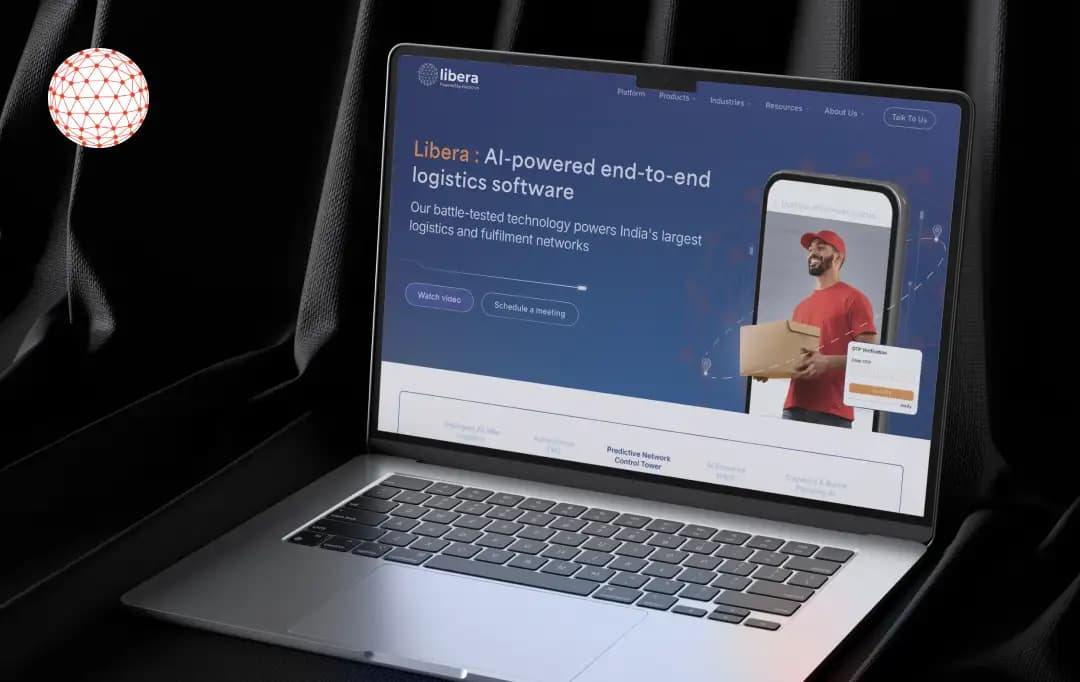
Most supply chain software promises the world but ends up being just another dashboard your ops team has to babysit. But Libera seemed to be the oddball out. So, we spent the last few weeks tearing down the Libera shipping platform.
We stress-tested its routing engine, poked holes in its warehouse management system, and see how its "Agentic AI" actually handles the unpredictable chaos of on-ground fulfillment. What we found isn't a simple tracking app.
If you are sick of piecing together fragmented logistics tools and want to know if this tech is actually worth the enterprise price tag, this article would be it. Here is our unfiltered, under-the-hood Libera review.
Pros and Cons of Libera
Pros
- The Capacity and Route Planning Engine legitimately takes the headache out of dispatch.
- The WMS also predicts demand and moves near-expiry goods automatically. It essentially runs the floor for you.
- The "Mity" facial recognition feature with liveness detection successfully kills impersonation fraud without requiring special hardware.
- The predictive AI only flags actionable anomalies, dramatically reducing notification fatigue for central ops teams.
Cons
- This is the most common grievance. Because it’s an all-in-one ecosystem, legacy teams find the initial onboarding process incredibly overwhelming.
- Since the identity tech, proof of delivery, and constant GPS pings require heavy smartphone usage, field workers occasionally note rapid battery drain on older devices.
- If you are tearing out 3 or 4 different software systems to install Libera, the initial API integration and transition phase can be an undertaking.
- If you are just doing basic point-to-point local delivery with a static fleet, the sheer volume of AI features feels unnecessary and bloated.
Key Libera Features
1. Intelligent All-Mile Logistics (4.5/5)
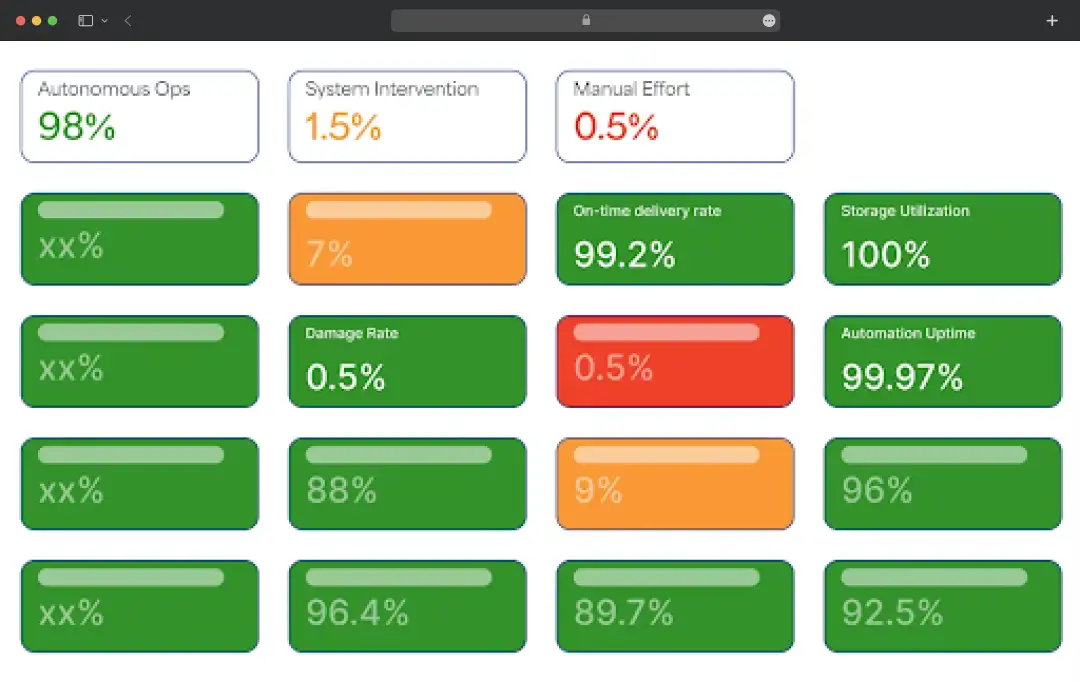
This isn't just about moving boxes from point A to point B. It’s an agentic AI ecosystem that takes over first, middle, and last-mile operations. What stood out to us during our deep dive into this AI logistics software was the centralized visibility.
Instead of jumping between tabs to figure out where a shipment is stuck, the platform gives you a predictive, self-correcting network. It actively flags fraud and anomalies, moving the needle from reactive firefighting to proactive management.
2. Capacity and Route Planning Engine (4.5/5)
Empty miles are the silent killer of margins. This AI engine cuts time-to-dispatch by automating load and route assignments. The tool optimizes based on volume, delivery windows, and live traffic.
We noticed it dynamically adjusts to keep vehicle utilization maxed out across the board. If your current logistics planning software still requires human dispatchers to manually untangle delivery routes every morning, this autonomous setup is going to save you a ridiculous amount of time and fuel.
3. Workforce Ecosystem Technology (4.0/5)
You can have the best tech in the world, but if your on-ground team is turning over every two weeks, you're bleeding cash. Libera tackles the human element with gamified, instant payouts and smart roster management that eliminates shift-scheduling chaos.
The standout feature here is the autonomous upskilling, role-based, auto-triggered training modules that get new hires up to speed without pulling your managers off the floor.
4. AI-Powered Warehouse Management System (WMS) (4.5/5)
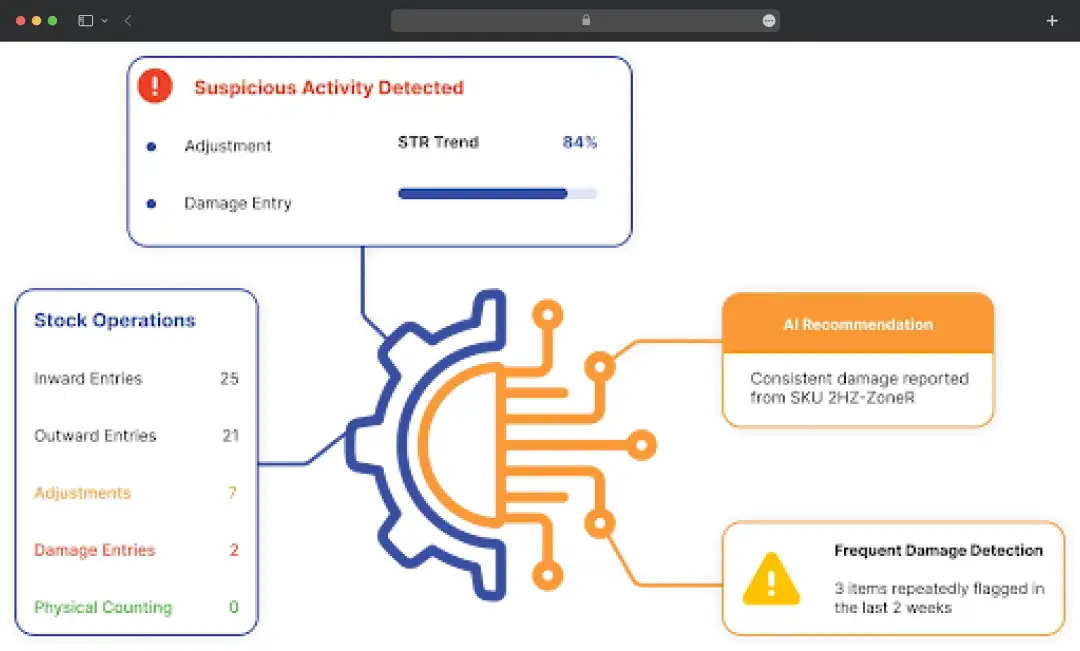
Working capital gets tied up in dead stock so easily. Libera’s WMS tackles this with a smart auto-replenishment engine that predicts SKU-level demand so you aren't caught off guard. My team was particularly impressed by the predictive expiry engine—it automatically reassigns near-expiry inventory to faster-moving zones based on FIFO/FEFO rules.
It also actively blocks inventory fraud and procurement mismatches. For anyone managing multi-node operations, having a unified, intelligent view of your inventory makes this a top-tier piece of supply chain management software.
5. Shipment Sorting AI (4.0/5)
Mis-sorts ruin the customer experience and spike operational costs. Libera uses a micro-sector sorting approach that maps out complex, unstructured addresses at a highly granular level. During our research, we found that the AI-powered address correction catches errors in real-time, assigning the right parcel to the right delivery associate on the first try.
It utilizes audio-visual sort assistance to minimize human error. The company claims that it successfully reduces mis-sorts by up to 70%. It integrates seamlessly into broader Libera order management workflows to ensure the dispatch bay clears out faster.
6. Autonomous TMS (Transport Management System) (4.0/5)
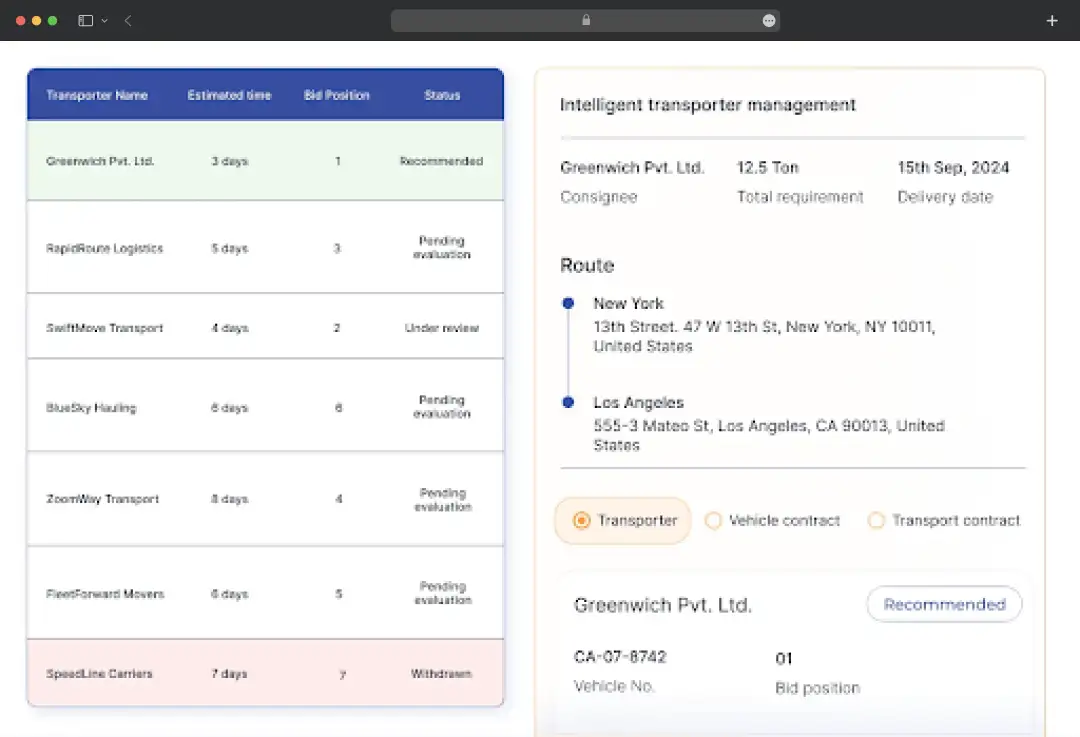
Most TMS setups are glorified spreadsheets, but this one legitimately delegates the grunt work to AI. It handles automated transporter selection through intelligent spot and contract bidding, factoring in cost, risk scores, and availability in real-time.
When we looked at how it executes trips, the automated compliance checks and instant, image-based proof of delivery (which triggers instant payment settlements) felt like a massive operational upgrade.
If you're hunting for the best delivery management software, this module’s ability to completely automate trip tracking and invoicing is a massive selling point.
7. Identity Verification Technology (4.0/5)
They call this module "Mity," and it's built to stop impersonation fraud dead in its tracks. Instead of relying on basic ID checks, it uses AI-led selfie verification with liveness detection to block image spoofing.
What's legitimately impressive is that it adapts to real-world variables. It still accurately authenticates faces if the worker is wearing a helmet, a mask, or has grown a beard. Plus, it runs on standard mobile cameras, so you aren't forced to shell out for premium hardware to get enterprise-grade security.
8. Predictive Network Control Tower (4.0/5)
Though woven throughout the platform, the control tower acts as the brain of the entire operation. It pulls GPS, SIM, and IoT data across the transit journey to give you an unfiltered look at your network. But! It doesn't flood you with notifications. The predictive AI only alerts you when an anomaly or delay actually requires human intervention.
By filtering out the noise and only flagging the actual deviations, it allows a lean central ops team to manage a massive transport network. It’s exactly why so many industry players consider Libera among the best logistics software on the market right now.
Libera Pricing: How Much Does It Cost?
Libera is an enterprise-grade, highly modular ecosystem rather than a lightweight plug-and-play app; they don’t do cookie-cutter public pricing.
Instead, the cost is custom-fit to the actual scale, scope, and complexity of your operations. Since no two supply chains are exactly alike, you will need to reach out directly to their sales team to get the ball rolling.
They will look at your specific needs (like which AI modules you actually want to deploy, the size of your fleet, and your monthly shipment volume) and put together a personalized quotation tailored exactly to your business.
It makes sense. You shouldn't be paying for heavy-duty freight forwarding modules if you're only using the platform for hyper-local quick commerce. Reaching out for a custom quote ensures you only pay for the firepower you actually need.
Customer Reviews
How was your experience with the product?