- 1. Predictive Analytics for Patient Risks
- 2. Chronic Disease Management
- 3. Hospital Operations Optimization
- 4. Personalized Treatment Plans
- 5. Medical Imaging Analysis
- 6. Remote Patient Monitoring
- 7. Drug Discovery Acceleration
- 8. Outbreak Prediction & Management
- 9. Fraud Detection in Claims
- 10. Supply Chain Optimization
- 1. Data Privacy and Security
- 2. Data Interoperability and Integration
- 3. Data Quality and Bias
- 4. Lack of Skilled Workforce
- 5. High Implementation Costs
- 6. Ethical Considerations
- 7. Real-Time Data Processing
- 8. Resistance to Change
- 9. Vendor Lock-In and Compatibility Issues
- 10. Data Governance and Accountability
 Share It On:
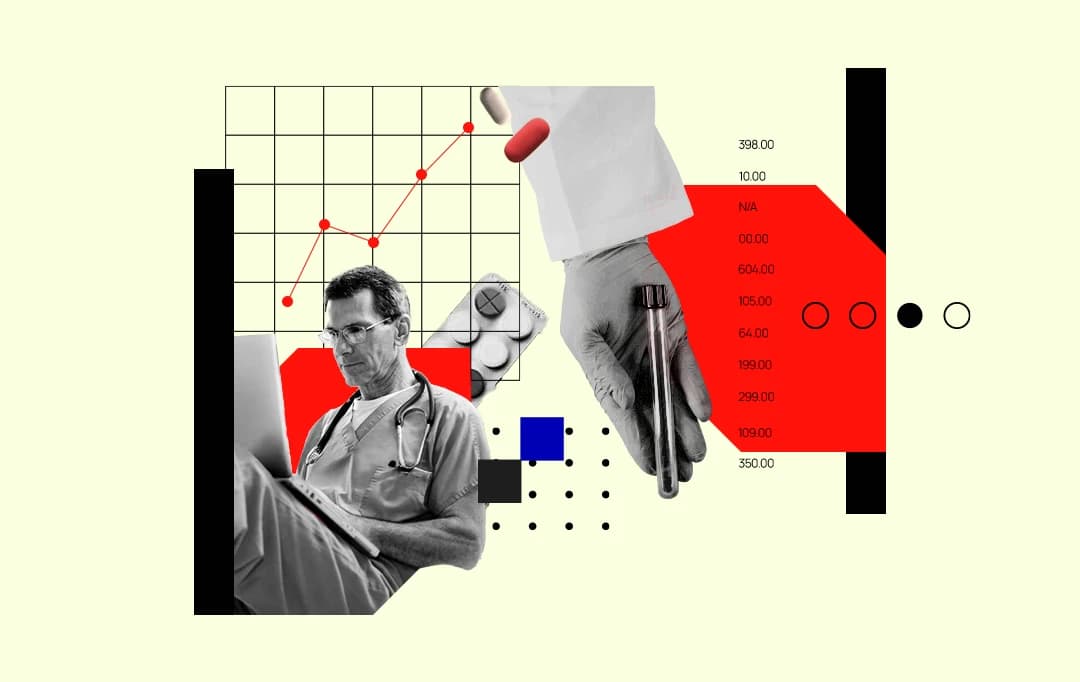 Data analytics in healthcare is revolutionizing patient care with real-time insights and smarter decisions. This powerful shift leads to improved outcomes, streamlined operations, and personalized medical experiences.
Imagine doctors not just reacting to symptoms, but accurately predicting a patient's trajectory, or hospital administrators allocating resources flawlessly to minimize waste and maximize comfort. This is how data analytics is reshaping healthcare.
Essentially, data analytics in healthcare is the process of examining vast medical and operational data to uncover hidden patterns, correlations, and insights. This unprecedented volume of information, from complex electronic health records to real-time wearable data, is fueling a profound transformation. As per Grand View Research, the global healthcare analytics market is projected to grow at a staggering 21.1% CAGR by 2030. This signifies that intelligent data analysis is no longer a luxury but a necessity, reshaping everything from personalized treatments to hospital management. Here’s all you need to know; let’s dive right in.
Key Statistics on Healthcare Data Analytics
The healthcare industry is swimming in data, from patient records to medical images, and understanding its impact is key. The following statistics powerfully demonstrate how data analytics is transforming healthcare, proving its vital role and rapid adoption.
- By 2031, big data solutions for health management are expected to generate $105.73 billion, according to Straits Research. Technology advancements necessitate greater health administration and optimization to enhance patient outcomes and lower healthcare costs, which is why the industry is producing more data.
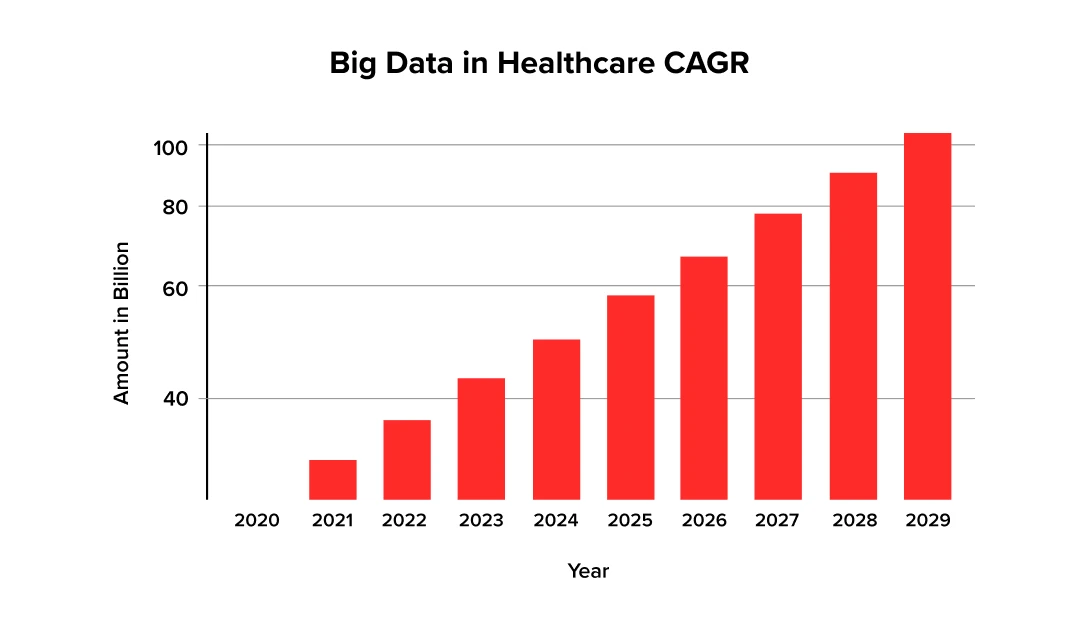
- In 2023, there were 5.11 billion medical visits in China, up from 3.9 billion in 2021, according to a 2023 article from the National Medical Products Administration (NMPA).
- Hardware, services, and software are some of the components that make up the worldwide big data in the healthcare industry. The hardware sector presently has the largest market share and is anticipated to rise steadily during the projected period due to the growing acceptance of cutting-edge technologies, heightened focus on data security, and continuous expenditures in innovation.
The Power of Data Analytics for Enhanced Patient Care
Healthcare data analytics solutions are reshaping patient care with precision and insight. From tailoring treatments to catching diseases early, medicine analytics empowers providers to make smarter decisions. This section explores how healthcare analytics transforms outcomes, boosts hospital efficiency, and puts patients first.
1. Personalized and Precision Medicine
Imagine a world where treatments fit like a glove. Medical data analytics makes this real by diving deep into patient data—genetics, lifestyle, and medical history—to craft custom care plans. No more one-size-fits-all medicine.
- The process: Algorithms analyze vast datasets to pinpoint what works best for each patient. For example, data analytics solutions for healthcare can predict how a cancer patient might respond to specific drugs based on genetic markers.
- Case study: The Mayo Clinic used analytics to tailor chemotherapy for breast cancer patients, improving outcomes by 20%.
- The importance: Patients get treatments that match their unique needs, reducing side effects and boosting recovery.
This isn’t sci-fi—it’s data analytics and healthcare teaming up to make medicine personal. Hospitals save time, patients gain hope, and outcomes soar.
2. Early Disease Detection and Diagnosis
Catching diseases early can be a game-changer. Health care analytics steps in like a detective, sifting through medical records, lab results, and even wearable data to spot red flags before symptoms scream.
- The process: Machine learning models flag patterns, like subtle changes in bloodwork, that hint at conditions such as diabetes or heart disease.
- Case study: Cleveland Clinic’s predictive analytics caught early signs of sepsis in ICU patients, cutting mortality rates by 30%.
- The Importance: Healthcare data analytics solutions power apps that alert doctors to risks, letting them act fast.
Early detection means less invasive treatments and better survival odds. With data analytics in medicine, it’s like giving doctors a crystal ball—only it’s real and saving lives.
3. Remote Patient Monitoring and Preventive Care
Why wait for a crisis? Data analytics solutions for healthcare bring care to patients’ homes through remote monitoring, keeping tabs on chronic conditions, and preventing emergencies.
- The Process: Wearables and apps track vitals like heart rate or glucose levels, feeding data to analytics platforms that alert providers to anomalies.
- Case Study: Kaiser Permanente’s remote monitoring program for heart failure patients slashed hospital readmissions by 25% using real-time analytics.
- The Importance: Analytics spot trends, like rising blood pressure, nudging patients toward lifestyle tweaks before things escalate.
Medical data analytics turns reactive care into proactive health. Patients stay independent, hospitals ease bed shortages, and everyone wins with fewer emergencies.
Types of Analytics in Healthcare
As healthcare embraces digital transformation, understanding the types of health care analytics is key to improving outcomes, efficiency, and patient care. These tools go beyond numbers—they drive smarter decisions and life-saving insights.
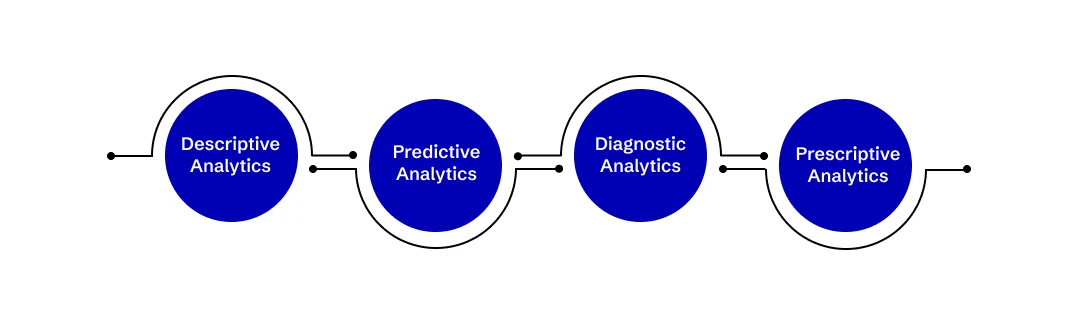
Let’s break down the four major types of data analytics for healthcare in a way that makes sense, even outside a data science lab:
1. Descriptive Analytics
This is the “what happened” layer. It summarizes past events using dashboards, reports, and charts. For example, hospitals use patient data analytics to track admission rates, readmissions, and average length of stay. Descriptive analytics helps healthcare staff understand trends and set benchmarks.
Use case: A hospital might analyze the past six months of ER visits to identify peak hours and allocate staff more effectively.
2. Diagnostic Analytics
Here, the focus shifts to “why it happened.” This type digs deeper into historical data to find root causes. If there’s a sudden spike in post-operative infections, healthcare analytics can help identify whether it’s linked to surgical protocols, staffing changes, or equipment usage.
Use case: Diagnostic analytics might reveal that a specific operating room has higher infection rates, prompting immediate action.
3. Predictive Analytics
This can help answer the question: “What is likely to happen?” It uses patterns in data to forecast future events. In data analytics for healthcare, predictive models can estimate which patients are at higher risk for chronic conditions or hospital readmission.
Use case: An insurer or hospital might use AI-driven analysis to predict which patients are likely to develop diabetes, enabling early intervention.
4. Prescriptive Analytics
The most advanced type—it recommends “what should be done.” Patient data analytics in this realm goes beyond insights and suggests actions. It can recommend treatment paths, flag potential medication errors, or optimize surgical schedules based on availability and urgency.
Use case: A system might suggest adjusting a patient’s medication dosage based on real-time vitals, lab results, and history of medications.
Together, these four types of data analytics for healthcare help transform raw data into real-world impact, from strategic decisions in boardrooms to life-saving calls in emergency rooms.
Looking into the Benefits of Data Analytics in Healthcare
Data analytics in healthcare is a game-changer for healthcare decision-making, guiding policies and practices with hard evidence. It's revolutionizing hospital operations, transforming chaos into streamlined efficiency. From smarter resource use to sharper fraud detection, health care analytics empowers hospitals to save time, cut costs, and truly focus on patients.
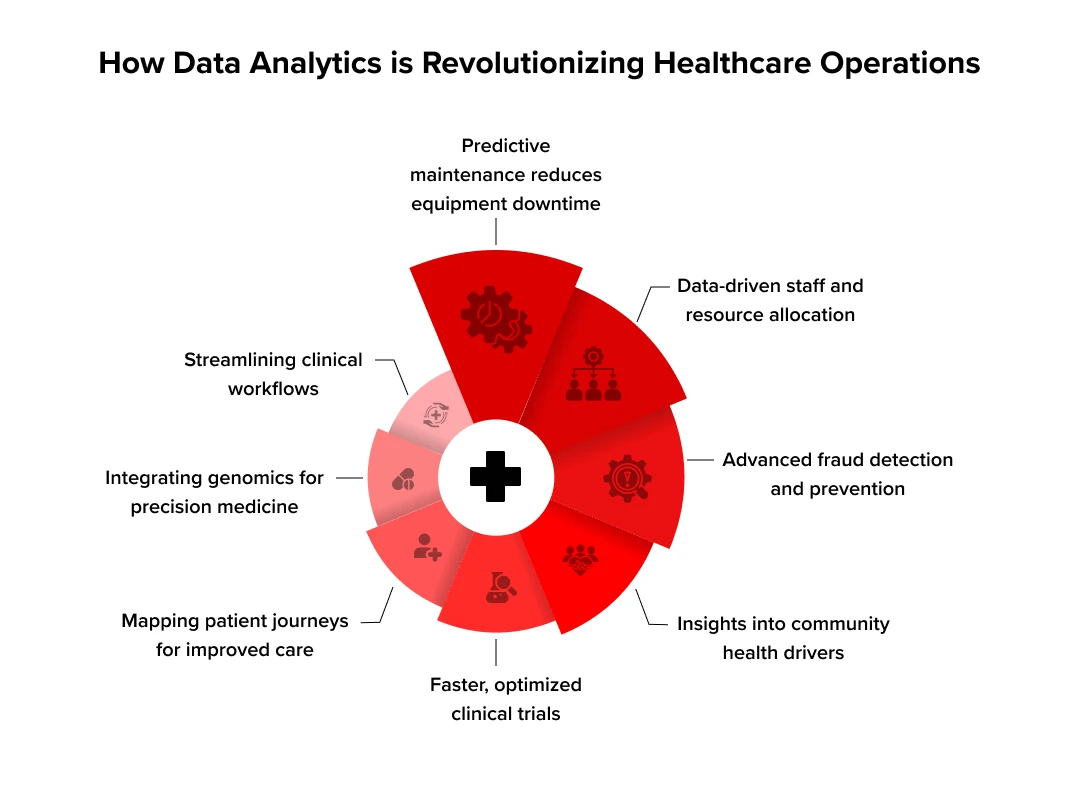
Here’s how data analytics in healthcare makes a difference:
1. Predicting Equipment Needs: Keeping vital machines running smoothly by anticipating breakdowns before they happen.
2. Optimizing Staff and Resources: Ensuring the right people and beds are available exactly when needed, preventing burnout and wait times.
3. Fighting Fraud: Catching suspicious billing activity quickly, saving millions, and protecting patient trust.
4. Understanding Community Health: Tailoring outreach and prevention programs by seeing how social factors affect local health.
5. Accelerating Clinical Trials: Speeding up the discovery of life-saving treatments by making trials more efficient.
6. Improving Patient Journeys: Mapping out every step of a patient's visit to spot and fix bottlenecks for better care.
7. Unlocking Genomic Insights: Using genetic data to guide doctors to the most effective, personalized treatments.
8. Streamlining Workflows: Making everyday hospital processes, from triage to surgery, much smoother and more efficient.
9. Powering Business Decisions: Providing real-time financial and operational insights to guide smart strategic choices.
10. Boosting Telemedicine: Refining virtual care to make it more accessible and effective for everyone.
11. Managing Inventory Smarter: Ensuring hospitals always have the right amount of supplies, avoiding shortages or waste.
12. Elevating Population Health: Guiding large-scale health initiatives like vaccination drives to improve community well-being.

Exploring the Applications of Data Analytics in Healthcare
The use of data analytics in healthcare is revolutionizing patient care and operational efficiency. By transforming vast data sets into actionable insights, healthcare providers can enhance decision-making, improve outcomes, and optimize resources.
| Application | Real-Life Instance | Impact on the Environment |
|---|---|---|
| Predictive Analytics for Patient Risks | Mount Sinai's predictive system for ICU patients | Reduces emergency readmissions and ICU congestion |
| Chronic Disease Management | Kaiser Permanente's diabetes tracking | Lowers long-term carbon emissions via fewer hospital visits |
| Hospital Operations Optimization | GE Healthcare’s command centers | Cuts energy waste and improves equipment utilization |
| Personalized Treatment Plans | IBM Watson in cancer treatment | Prevents overuse of medical resources |
| Medical Imaging Analysis | Aidoc’s AI-enhanced imaging tools | Minimizes repeat scans and energy use |
| Remote Patient Monitoring | Philips' wearable devices for cardiac patients | Decreases travel emissions and clinical visits |
| Drug Discovery Acceleration | Atomwise’s AI-driven molecule screening | Reduces lab waste and chemical use |
| Outbreak Prediction & Management | BlueDot’s tracking of COVID-19 spread | Enables early containment, limiting resource strain |
| Fraud Detection in Claims | UnitedHealth Group’s fraud analytics platform | Cuts fraudulent resource utilization |
| Supply Chain Optimization | Mayo Clinic’s predictive supply modeling | Reduces medical waste and overstock inefficiencies |
1. Predictive Analytics for Patient Risks
Data analytics in healthcare helps predict patient deterioration using historical data and machine learning. Hospitals can proactively manage at-risk individuals, preventing complications and avoiding costly interventions.
At Mount Sinai Hospital, AI-based predictive models identified sepsis risks 24 hours in advance. This led to a 30% reduction in sepsis mortality and minimized emergency care, conserving hospital resources and reducing stress on ICU environments.
ALSO READ: 20 Best Predictive Analytics Software for Data-driven Insights
2. Chronic Disease Management
With data analytics in healthcare, chronic illnesses like diabetes and heart disease are tracked in real-time. This enables early interventions and better lifestyle guidance tailored to individual patient histories.
Kaiser Permanente employed real-time analytics to monitor diabetes patients. They saw an 88% compliance with glucose control measures, reducing emergency visits and decreasing the carbon footprint from unnecessary hospital travel.
3. Hospital Operations Optimization
Efficient hospital management is a direct benefit of the use of data analytics in healthcare. By monitoring patient flow, bed availability, and staff schedules, hospitals reduce wait times and optimize care delivery.
GE Healthcare developed “Command Centers” that aggregate hospital data to streamline operations. Johns Hopkins Hospital, after implementation, experienced a 70% reduction in bed assignment delays, improving throughput and minimizing energy use due to reduced idle times.
4. Personalized Treatment Plans
Data analytics in healthcare supports the creation of tailored therapies by analyzing patient genetics, lifestyle, and response to past treatments. This reduces trial-and-error medicine and improves outcomes.
IBM Watson’s AI analyzed over 1,000 cancer cases and recommended treatment plans that matched expert opinions 96% of the time. It saved valuable time and resources, eliminating excessive tests and reducing clinical waste.
5. Medical Imaging Analysis
AI-enhanced imaging, powered by data analytics in healthcare, speeds up image interpretation and improves diagnostic accuracy. This reduces the need for multiple scans, conserving both time and radiological resources.
Aidoc’s AI tools helped radiologists detect brain bleeds and strokes faster, cutting diagnosis time by 60%. Hospitals reported fewer repeat scans, directly lowering electricity use from imaging equipment.
6. Remote Patient Monitoring
The use of data analytics in healthcare extends to wearables and remote sensors, allowing clinicians to monitor patients from afar. Remote patient monitoring apps leverage these technologies by providing a structured, one-stop platform to continuously collect patient data, enabling proactive care and virtual consultations. This seamless integration facilitates real-time access to health metrics, empowering doctors to share prescriptions and manage treatment plans remotely. This reduces unnecessary clinic visits and enhances patient convenience.
Philips deployed cardiac monitoring devices that allowed early intervention in heart failure cases. As a result, hospitalizations dropped by 32%, and thousands of in-person appointments were avoided, reducing transportation-related emissions.
7. Drug Discovery Acceleration
By analyzing chemical and genetic data, AI-driven data analytics in healthcare expedites drug discovery, eliminating lengthy lab trials and minimizing chemical waste.
Atomwise utilized deep learning to analyze millions of compounds. It helped find promising treatments for Ebola and multiple sclerosis, cutting R&D time by up to 60%, and drastically reducing lab waste and the environmental impact of traditional trials.
ALSO READ: AI In Drug Discovery
8. Outbreak Prediction & Management
One crucial use of data analytics in healthcare is real-time outbreak monitoring, helping governments and hospitals prepare for health crises before they escalate.
BlueDot tracked over 100 infectious disease outbreaks, including early warnings of COVID-19 in Wuhan. Their system flagged risks 9 days before WHO, giving agencies critical prep time, preventing mass spread and pressure on healthcare infrastructure.
9. Fraud Detection in Claims
Analytics helps detect suspicious billing patterns and insurance fraud, ensuring resources are not misused and that the healthcare system remains efficient and sustainable.
UnitedHealth’s analytics division helped flag and block over $2.5 billion in fraudulent claims annually, cutting financial and administrative waste and freeing up healthcare services for legitimate use.
10. Supply Chain Optimization
Smart supply chain systems driven by data analytics in healthcare forecast inventory needs, prevent overstocking, and reduce medical waste significantly.
Mayo Clinic implemented predictive models to manage medical supplies. This helped them achieve a 23% drop in excess inventory and cut expired stock, easing pressure on biomedical waste systems and landfill contributions.
Data Analytics for Informed Decision-Making and Policy
Healthcare analytics is the ultimate game-changer, armed with the evidence to boldly reshape policies and sharpen practices across the entire healthcare landscape. From shaping fairer systems to tightening financial operations, data analytics in healthcare empowers leaders to act with confidence.
Let’s dive into how it’s driving smarter choices and better outcomes.
1. Evidence-Based Policy and Practice
Data isn’t just numbers—it’s the backbone of smarter healthcare policies. Data analytics in healthcare sifts through patient outcomes, treatment success rates, and population trends to inform decisions that actually work. Hospitals and governments use these insights to craft guidelines grounded in reality, not guesswork.
- How it works: Analytics highlights what treatments deliver the best results, helping policymakers prioritize funding or training.
- Case study: The UK’s NHS used analytics to revamp stroke care protocols, cutting recovery times by 15%.
- Why it matters: Evidence-based policies mean better care, fewer wasted resources, and happier patients.
With healthcare analytics, decisions aren’t shots in the dark—they’re precise, impactful, and built on solid proof.
2. Financial Performance and Revenue Cycle Management
Hospitals aren’t just about healing—they’re businesses, too. Healthcare analytics transforms financial operations by analyzing billing, claims, and revenue cycles to plug leaks and boost efficiency. It’s like having a financial detective ensuring every dollar is accounted for.
- How it works: Analytics spots patterns in unpaid claims or delays, streamlining processes from patient check-in to final payment.
- Case study: Mount Sinai Health System slashed claim denials by 22% using predictive analytics, saving $10 million annually
- Why it matters: Tighter revenue cycles mean more funds for cutting-edge equipment or staff training.
Data analytics in healthcare keeps the books balanced, letting hospitals focus on care without sweating the budget.
3. Identifying and Addressing Health Disparities
Not everyone gets equal care, but healthcare analytics is changing that. By analyzing demographics, access to care, and outcomes, it uncovers gaps—whether racial, economic, or geographic—and points to fairer solutions.
- How it works: Analytics flags underserved groups, like rural patients’ missing screenings, and suggests targeted interventions.
- Case study: Kaiser Permanente used analytics to boost mammogram rates among Black women by 18%, narrowing a key disparity (Source: Kaiser Permanente, 2023).
- Why it matters: Addressing disparities improves community health and builds trust in healthcare systems.
With healthcare analytics, hospitals don’t just see the problem—they get a playbook to fix it, making care equitable for all.
Challenges and Considerations in Healthcare Data Analytics
The rise of data analytics in healthcare holds immense promise, but it’s not without hurdles. From safeguarding patient privacy to ensuring data is clean, fair, and actually usable, many roadblocks must be addressed before intelligent care systems can reach their full potential.
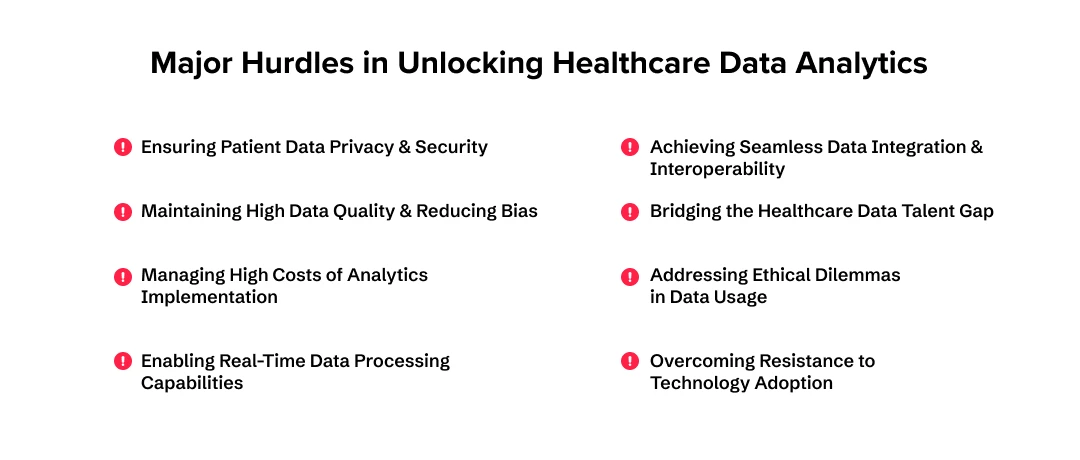
1. Data Privacy and Security
Protecting sensitive health information is non-negotiable. The backbone of trust in data analytics in healthcare lies in maintaining strict data privacy standards. Compliances such as HIPAA (Health Insurance Portability and Accountability Act), GDPR (General Data Protection Regulation), and HITECH (Health Information Technology for Economic and Clinical Health Act) govern how patient data must be stored, accessed, and shared.
The challenge lies in finding the right balance, allowing secure data sharing for analysis without violating patient confidentiality. As health systems move toward cloud-based storage and real-time analytics, encryption, multi-factor authentication, and continuous monitoring become essential.
2. Data Interoperability and Integration
Healthcare data lives in silos - EHR systems, lab reports, pharmacy management software, wearable devices, and insurance records - all using different formats. Integrating this scattered information into a unified system is a mammoth task for modern healthcare organizations.
Without standardized APIs and formats like FHIR (Fast Healthcare Interoperability Resources), systems can’t "talk" to each other efficiently. In the world of data analytics in healthcare, seamless integration is crucial to generate a full patient picture. Without it, insights remain fragmented and often misleading.
3. Data Quality and Bias
Clean, complete, and well-labeled data is the foundation of accurate analytics. Unfortunately, healthcare data is often riddled with missing fields, outdated records, and human error. Worse still, when biased data feeds into machine learning algorithms, it can lead to flawed diagnoses or skewed treatment recommendations.
To mitigate this, ongoing audits, robust training datasets, and inclusive algorithm development are key. Without this attention, data analytics in healthcare risks reinforcing existing disparities rather than solving them.
4. Lack of Skilled Workforce
Data scientists fluent in both healthcare and analytics are rare. Hospitals often struggle to find professionals who understand clinical workflows and can interpret complex datasets effectively.
This talent gap slows down adoption and increases the risk of misinterpretation. Investing in training and fostering collaboration between IT teams and clinicians is essential to bridge this divide.
5. High Implementation Costs
Deploying advanced analytics tools isn’t cheap. From software licensing and IT infrastructure to staff training and system upgrades, the costs can be daunting—especially for smaller clinics or underfunded facilities.
While ROI is promising in the long run, the upfront investment remains a major consideration. Organizations must weigh these costs carefully against potential operational and patient care benefits.
6. Ethical Considerations
Just because data can be analyzed doesn't always mean it should be. There’s an ethical dimension to how health data is used—especially when it involves predictive analytics or genetic profiling.
Patients must have the right to know how their data is being used and be able to opt in or out without consequences. Ethical review boards and transparency are necessary to maintain trust.
7. Real-Time Data Processing
Modern care demands real-time insights—especially in critical care settings. But healthcare systems often lack the infrastructure to process and respond to data at speed.
Delays in data processing can cost lives. Investing in faster computing systems and streamlining the data flow across departments is no longer optional—it’s urgent.
8. Resistance to Change
Healthcare is traditionally cautious when it comes to adopting new technologies. Some providers fear data-driven tools might replace clinical judgment or add more administrative burden.
To overcome this, there must be a clear focus on collaboration, showing clinicians how analytics can support, not replace, their expertise.
9. Vendor Lock-In and Compatibility Issues
Many health systems rely on proprietary platforms that don’t easily integrate with others. This makes switching systems or adding new tools a nightmare and can limit innovation.
Open-source solutions and flexible frameworks can help break down these walls, allowing healthcare providers to adopt the best tools for their specific needs.
10. Data Governance and Accountability
Who owns healthcare data? Who’s responsible when it’s misused or exposed? These are still gray areas. Without clear governance models, there’s confusion over accountability, especially when third-party vendors are involved.
A well-defined governance strategy ensures transparency, sets rules for data stewardship, and builds confidence across patients, providers, and regulators.
The Future of Data Analytics in Healthcare
As we look ahead, data analytics in healthcare is poised to revolutionize patient care, operational efficiency, and medical research. Emerging technologies like artificial intelligence, virtual reality, and the Internet of Things are at the forefront of this transformation, offering innovative solutions to longstanding challenges.
| Innovation | Description | Real-World Application |
|---|---|---|
| AI-Driven Predictive Analytics | Utilizing AI to forecast patient health trends and outcomes. | Hospitals are employing AI to predict patient deterioration, enabling timely interventions. |
| Virtual Reality (VR) in Healthcare | Implementing VR for surgical training and patient therapy. | Medical institutions are using VR for immersive surgical simulations and pain management. |
| Internet of Things (IoT) in Healthcare | Connecting medical devices for real-time monitoring and data collection. | Wearable devices track patient vitals, facilitating remote care and early diagnosis. |
| Personalized Medicine | Tailoring treatments based on individual genetic and lifestyle data. | Genomic analysis guiding customized cancer therapies for improved efficacy. |
| Telemedicine Expansion | Broadening access to care through virtual consultations and remote monitoring. | Clinics offering virtual appointments are reducing barriers to healthcare access. |
| Data-Driven Operational Efficiency | Streamlining hospital operations through data analysis. | Health systems are analyzing workflow data to optimize staffing and reduce patient wait times. |
1. AI-Driven Predictive Analytics
Artificial intelligence is enhancing data analytics in healthcare by enabling predictive models that forecast patient health trajectories. By analyzing vast datasets, AI can identify patterns and risk factors, allowing for early interventions and personalized care plans.
For instance, hospitals are deploying AI algorithms to monitor patient vitals and predict potential complications, leading to proactive treatments and reduced hospital readmissions.
ALSO READ: Future of AI- Key Trends to Watch
2. Virtual Reality (VR) in Healthcare
VR in healthcare is transforming medical training and patient therapy. Medical students and professionals use VR simulations to practice complex procedures in a risk-free environment, enhancing their skills and confidence. Patients benefit from VR-based therapies for pain management and mental health treatments, experiencing immersive environments that aid in recovery.
For example, VR programs are being utilized to help patients with chronic pain by distracting them during treatments, leading to decreased pain perception and improved patient satisfaction.
3. Internet of Things (IoT) in Healthcare
The integration of IoT in healthcare connects medical devices and systems, facilitating real-time data collection and monitoring. Wearable devices track patient health metrics, enabling continuous monitoring and timely interventions. IoT also aids in asset tracking within hospitals, ensuring equipment is efficiently utilized.
Healthcare providers are leveraging IoT technology to remotely monitor patients with chronic conditions, allowing for early detection of issues and reducing the need for frequent hospital visits.
4. Personalized Medicine
Advancements in data analytics in healthcare are paving the way for personalized medicine, where treatments are tailored to individual genetic profiles and lifestyle factors. This approach increases treatment efficacy and minimizes adverse effects.
In oncology, genomic sequencing is used to identify specific mutations in tumors, guiding the selection of targeted therapies that improve patient outcomes and reduce unnecessary treatments.
5. Telemedicine Expansion
Access to care is being transformed via telemedicine, particularly in underserved and rural areas. Patients can now use apps to monitor their health at home or video contact doctors instead of making lengthy excursions to a clinic. In addition to being practical, it lowers expenses for both patients and providers.
Nowadays, telehealth is widely used by clinics to manage routine examinations, track chronic conditions, and even assist with mental health needs without requiring an in-person visit. This ensures continuous and secure care, particularly for individuals who are unable to travel.
ALSO READ: How to Develop a Telemedicine App like Doctor On Demand In 2026?
6. Data-Driven Operational Efficiency
Today, hospitals are easily tapping into data analytics in healthcare, which helps to streamline their operations. By digging into patient flow, staff schedules, and resource use, they spot bottlenecks and make smart fixes, boosting efficiency and patient care.
For example, analyzing emergency department data helps in reallocating staff during peak hours, reducing patient wait times and enhancing the overall quality of care.
Conclusion: A Healthier Tomorrow, Powered by Data
The future of data analytics in healthcare is nothing short of revolutionary. Picture a world where your smartwatch flags a health issue before you feel it, surgeons hone their skills in virtual reality, and AI spots diseases early. These aren’t far-off dreams—they’re happening now, reshaping patient care with precision and speed. Data analytics healthcare is driving diagnostics that catch problems fast, while IoT devices track vitals in real time. Virtual reality? It’s training doctors with lifelike scenarios, cutting errors.
But it’s not all rosy. As we embrace these tools, we’ve got to lock down data privacy, tackle ethical dilemmas, and ensure everyone gets access, not just the privileged. By balancing innovation with responsibility, data analytics in healthcare can deliver a future that’s not only smarter but fairer and kinder, putting patients at the heart of it all.
Frequently Asked Questions
Why is data analytics important in healthcare?
Data analytics in healthcare is crucial for enhancing patient outcomes, reducing operational costs, and improving overall care quality. By analyzing vast amounts of health data, providers can identify trends, predict disease outbreaks, and make informed decisions, leading to more efficient and effective healthcare delivery.
How is data analytics used in healthcare?
Healthcare organizations utilize data analytics to monitor patient health, manage hospital resources, and streamline administrative processes. Applications include evaluating practitioner performance, detecting anomalies in medical scans, and forecasting illness outbreaks, all contributing to proactive and personalized patient care.
What is predictive analytics in healthcare?
Predictive analytics involves using historical and real-time data to forecast future health events. In healthcare, this means anticipating patient complications, identifying individuals at risk for certain conditions, and enabling early interventions, thereby improving patient outcomes and reducing hospital readmissions.
How does data analytics improve patient outcomes?
Effective intervention customization is made possible by data analytics, which offers insights into patient histories and treatment outcomes. Patients benefit from quicker therapies, better chronic illness management, and generally better health outcomes as a result of this individualized strategy.
What challenges exist in implementing data analytics in healthcare?
Keeping healthcare data analytics trustworthy isn’t easy. Protecting patient privacy and securing sensitive information is a constant battle, with cyber threats always lurking. Merging data from different systems—like hospital records and wearables—can feel like solving a puzzle with missing pieces.
How does data analytics contribute to personalized medicine?
The ability to evaluate large volumes of patient data, such as genetic information, medical history, and lifestyle factors, to customize therapies to each patient's needs makes data analytics essential to personalized medicine.
What types of data are used in healthcare analytics?
Healthcareanalytics use various types of data, including electronic health records (EHRs), patient demographics, treatment outcomes, imaging data, and genomic data.

Uncover executable insights, extensive research, and expert opinions in one place.
Related Content