Share It On:
 When facts replace fluff—real informative advertising examples that convert skeptics into customers.
|
Key Takeaways: ✅Informative advertising builds credibility through transparency and facts. 81% of consumers say they must trust a brand before making a purchase, making educational content essential for conversion. ✅Industries like healthcare, technology, and financial services benefit most from informative advertising. It's ideal when products require explanation or when launching something new to the market. ✅The most successful informative ads combine relevant/useful statistics with unforgettable visuals. FDA's anti-tobacco campaign used stark health facts with powerful imagery to change behavior. Surfrider Foundation's plastic sushi rolls made ocean pollution personal and shareable. |
Let’s be honest: your audience is exhausted. They scroll past countless ads that all scream for attention but offer nothing in return. The core problem? Most ads are a one-way street—they ask for a click or a sale without giving the customer a good reason to care.
This is where you can change the game with informative advertising. It’s not about being the loudest voice in the room, but the most helpful one. It’s about educating your audience with how-to guides, transparent data, and clear messaging so they can make informed decisions.
Ready to see what that looks like in action? We’re about to break down real informative advertising examples and actionable strategies that will help you build marketing people value.
How is Informative Advertising Different from Persuasive and Reminder Advertising?
Informative ads focus on delivering clear, factual, and educational content to help consumers make informed decisions. Let's examine how it differs from persuasive and reminder advertising.
| Feature | Informative Advertising | Persuasive Advertising | Reminder Advertising |
|---|---|---|---|
| Focus | Education and clarity | Emotions and action | Brand recall and maintenance |
| Goal | Provide facts and data | Inspire immediate action | Maintain top-of-mind awareness |
| Key Characteristics | Verifiable product information, educational content, and transparency | Emotional appeals, call to action | Consistency, brand reinforcement |
| Best for | New products, complex offerings, and industries with regulations | Driving purchases, differentiating in saturated markets | Keeping established brands in customers' minds |
The Core Purpose and Benefits of Informative Advertising
When Informative advertisement is executed well, it offers a range of benefits that help your brand stand out in a crowded marketplace.
- Educates Consumers: With powerful informative advertisements, you can empower your audience to make well-informed decisions. According to research, consumers are 131% more likely to purchase from a brand after consuming early-stage educational content.
- Builds Trust and Credibility: Well, it’s a fact in advertisements that transparency is key. When your ads focus on delivering factual, clear information, you build credibility. Reports show that 81% of consumers say they must be able to trust a brand before making a purchase.
- Highlights Unique Selling Propositions (USPs): You should showcase what makes your product unique and distinct. According to Investopedia, a value proposition of the benefits it delivers to its customers can make your prospect into a customer.
- Ideal for New or Complex Products: If you're launching a new product or one that requires explanation, informative advertising is essential. Your consumers feel more satisfied with their purchase when the product is clearly explained beforehand. They feel more confident purchasing complex products after receiving educational content about them.
- Reduces Post-Purchase Dissonance: Consumers are less likely to experience buyer’s remorse and dissonance when they feel confident about their decision.

Top Informative Advertisement Examples
Here are five standout informative ad examples and individual brand stories of how informative advertising has been used effectively across different industries.
1. Tech - Apple iPhone Specifications
- Campaign Focus: Apple's iPhone 16 Pro ads have long focused on its technical specifications and performance benchmarks.
- Visual Strategy: Clean, minimalist design showcasing technical specifications and performance metrics prominently.
- Target Audience: First, you have to get that Apple isn't trying to sell its ‘Pro’ phones to everybody. They're laser-focused on the people who will actually appreciate the specs—the tech heads, the video creators, the nerds who live for this stuff.
- Impact: Apple's clear, data-driven approach has helped justify its high prices and reinforced its reputation as a premium brand in the tech market.
- Takeaway: Highlighting concrete product benefits backed by data can help justify premium pricing.
2. Public Health& Safety - FDA "The Real Cost" Anti-Tobacco Campaign

- Campaign Focus: FDA’s anti-tobacco campaign focused on educating young people about the serious health risks of tobacco use, including mouth cancer, tooth loss, and gum disease.
- Visual Strategy: The campaign used stark visuals of the physical effects of tobacco use to grab attention.
- Target Audience: Young people and teenagers at risk of tobacco use.
- Impact: The campaign achieved high awareness and led to significant behavioral change, particularly among younger demographics.
- Takeaway: Clear, factual information, especially when paired with powerful visuals, can effectively change behavior.
3. Sustainability Campaigns - Surfrider Foundation Ocean Plastic Campaign
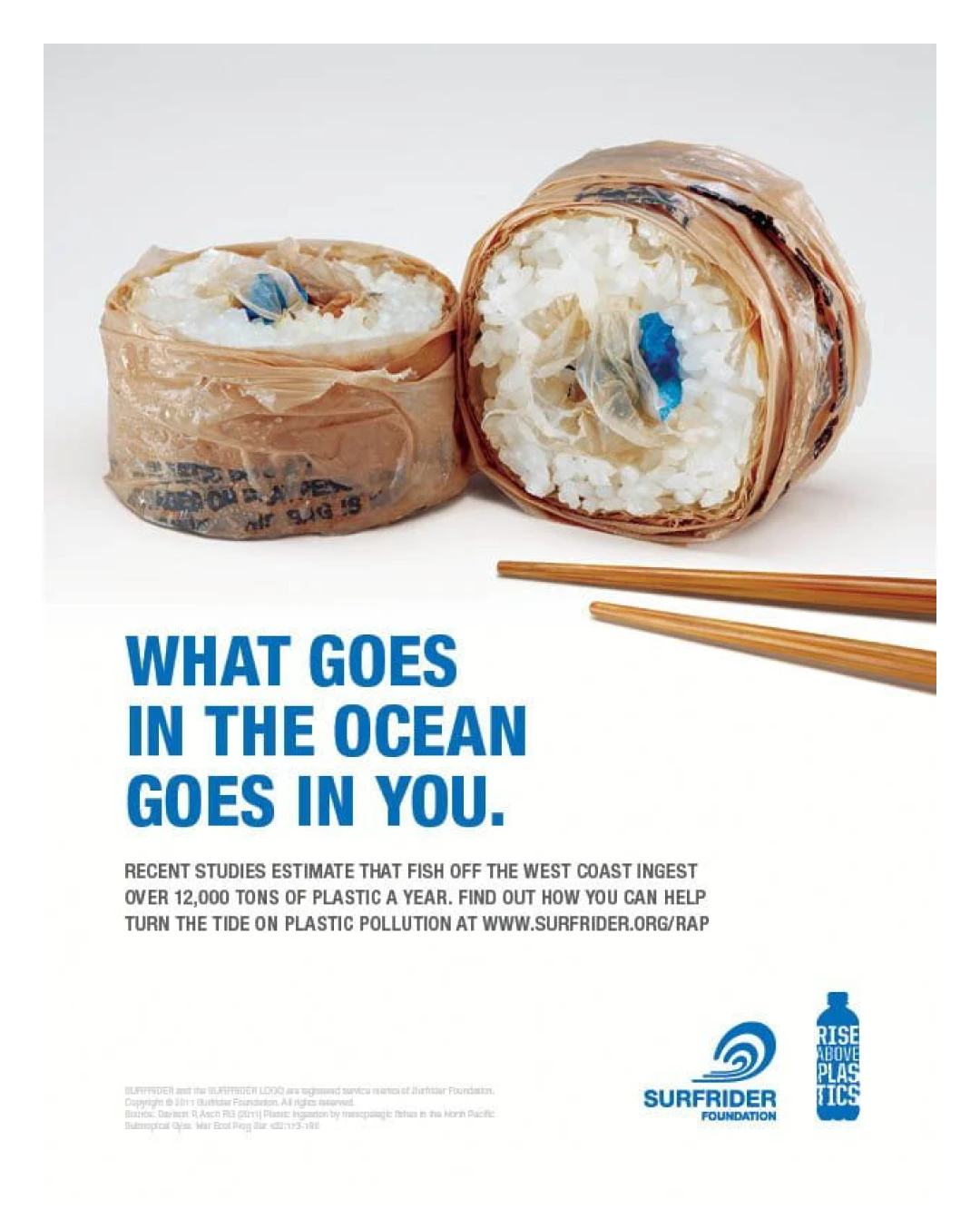
- Campaign Focus: Educating the public about ocean plastic pollution using alarming statistics, such as the 11 million tons of plastic entering the ocean water every year.
- Visual Strategy: The campaign utilized a shocking image of plastic sushi rolls to illustrate the contamination caused by plastic pollution.
- Target Audience: Environmentally conscious consumers and ocean conservation advocates.
- Impact: This campaign successfully raised awareness about ocean plastic pollution and drove significant traffic to the Surfrider website.
- Takeaway: Using compelling facts combined with striking visuals is an effective way to drive awareness and action on environmental issues.
4. Automotive - Tesla Environmental Impact Data

- Campaign Focus: Tesla's advertising highlights the positive environmental impact of their electric vehicles (EVs) by showing how their carbon footprint compares to that of internal combustion engine (ICE) vehicles.
- Visual Strategy: Data-driven comparisons and infographics showing lifetime carbon emissions of EVs versus traditional vehicles.
- Target Audience: Environmentally conscious consumers who value sustainability.
- Impact: Successfully positioned Tesla as an eco-friendly leader in the automotive industry.
- Takeaway: Sharing data-driven comparisons can be a powerful way to position a brand as an eco-friendly leader.
5. Software - Salesforce Advertising Studio
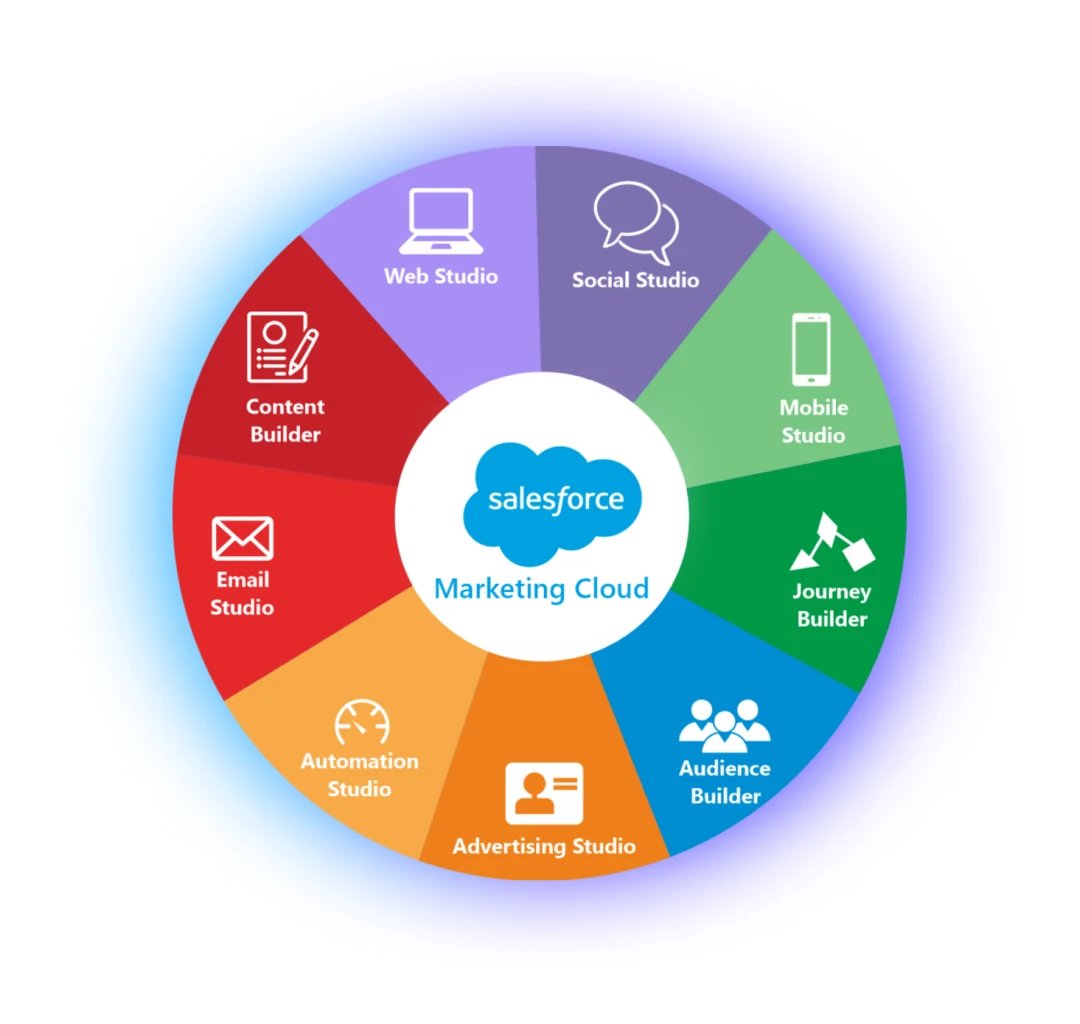
- Campaign Focus: Salesforce utilized informative advertising to showcase the capabilities of its platform, emphasizing its integration with other tools and the business solutions it offers.
- Visual Strategy: Step-by-step feature explanations and platform demonstrations showing real-world applications.
- Target Audience: B2B marketers and sales teams looking for ways to streamline operations and increase productivity.
- Impact: Effectively communicated complex software capabilities to targeted business audiences.
- Takeaway: Detailed, feature-based advertising can effectively explain complex software to a targeted business audience.
Helpful read: Top Advertising Agencies
Types of Informative Advertisements
Informative advertising is a crucial strategy for educating consumers, fostering trust, and promoting transparency. Various techniques can be used to convey valuable information to your target audience effectively.
1. Comparative Advertising
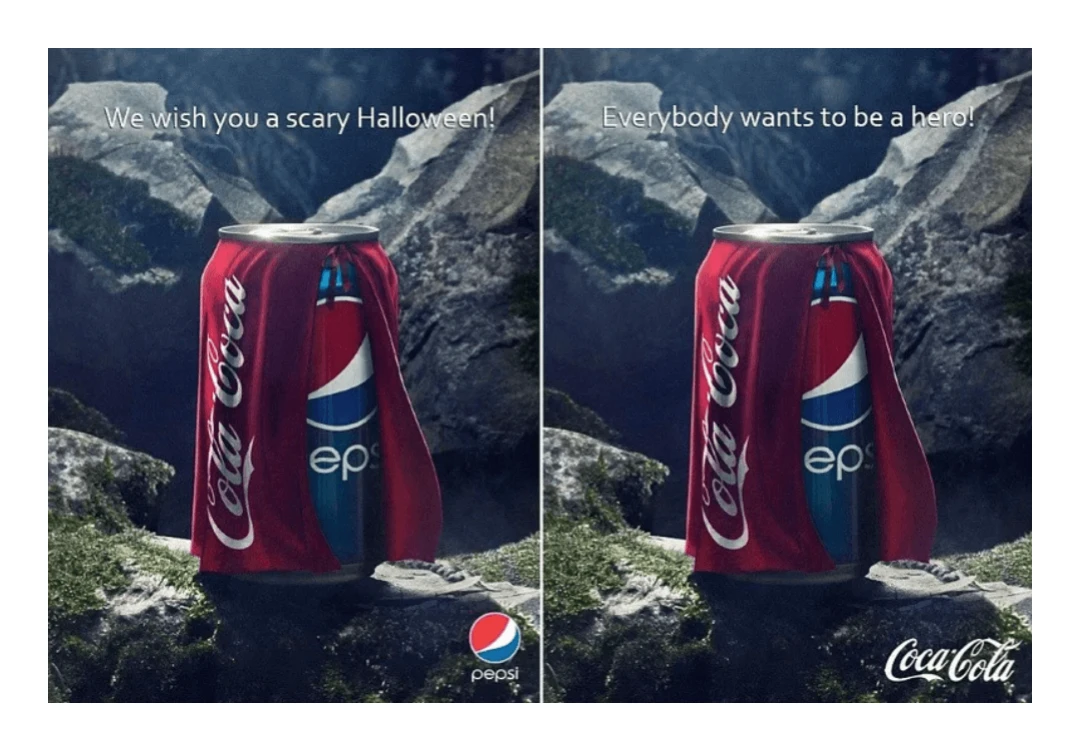
If you think your product is better than the other competitors, then stop hinting and just show it. Put them side-by-side. It’s what Pepsi and CocaCola have done. As long as you’re telling the truth and can back it up, it’s not mudslinging; it's just giving people the facts they need to make a choice.
The key to successful comparative advertising lies in ensuring all claims are factual, verifiable, and comply with legal standards. When executed properly, comparative ads help consumers make informed decisions by providing clear, data-driven evidence of your product's competitive advantages.
2. Educational Content Marketing

This is where you stop being a salesperson and start being a resource. You shower your audience with free knowledge—how-to guides, real research, expert tips. Why? Because you become their go-to source. Then, when their wallet finally opens, guess who they're already thinking about? They purchase your product because you have finally won the overall trust.
The power of educational content lies in its ability to build trust through value rather than direct selling. When consumers learn from your content, they develop confidence in your expertise, making them more likely to choose your solutions when they're ready to purchase.
3. Data-Driven Campaigns
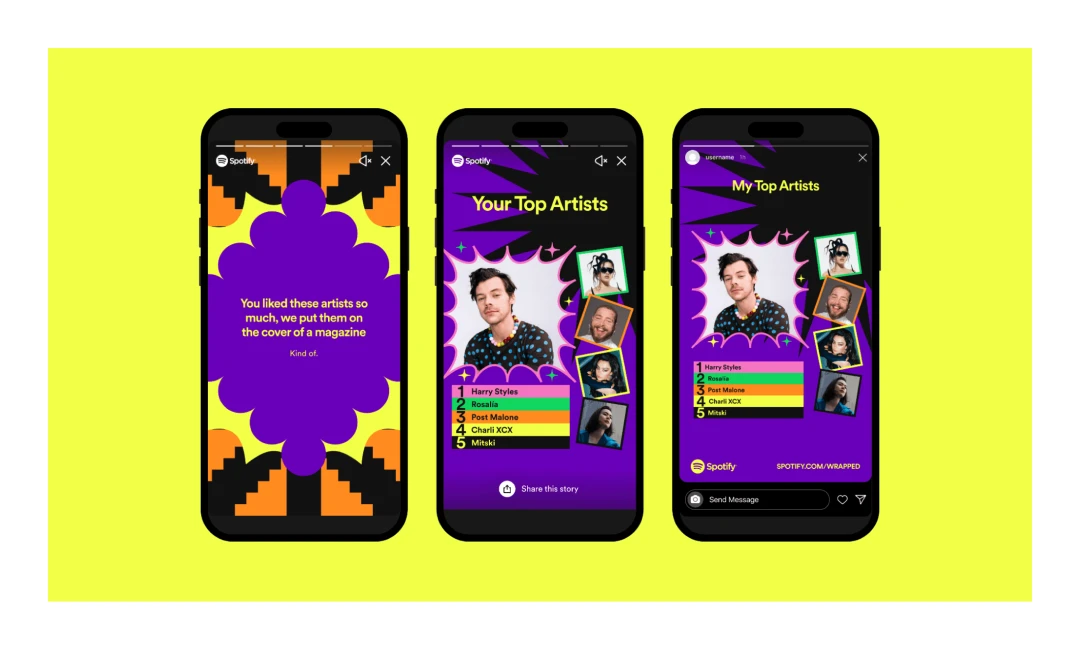
For every customer who rolls their eyes at marketing fluff, this is your weapon: cold, hard numbers. Spotify's annual ‘Wrapped’ campaign is a genius move because it uses people's own data to tell a story they care about. Whether it's stats or survey results, data works because it feels objective. It works as a proof, not just a promise.
The effectiveness of data-driven campaigns stems from their objective, verifiable nature that appeals to rational decision-making. When consumers see real numbers, proven results, and third-party validation, they feel more confident in their purchasing decisions, making this approach particularly powerful for skeptical audiences who demand proof before committing.
4. Product Demonstrations

Honestly, this is the most straightforward tool in the box. People believe what they can see. If your product is complicated or brand new, you have to show it working. A product demo can kill all the annoying questions and uncertainty. It takes something from a vague idea in your customer’s head to a real thing they can imagine themselves using.
When consumers can see exactly how a product functions and the results it delivers, they move from skeptical browsers to confident buyers, making demonstrations particularly effective for complex or innovative products that require explanation.
5. Compliance and Regulatory Information
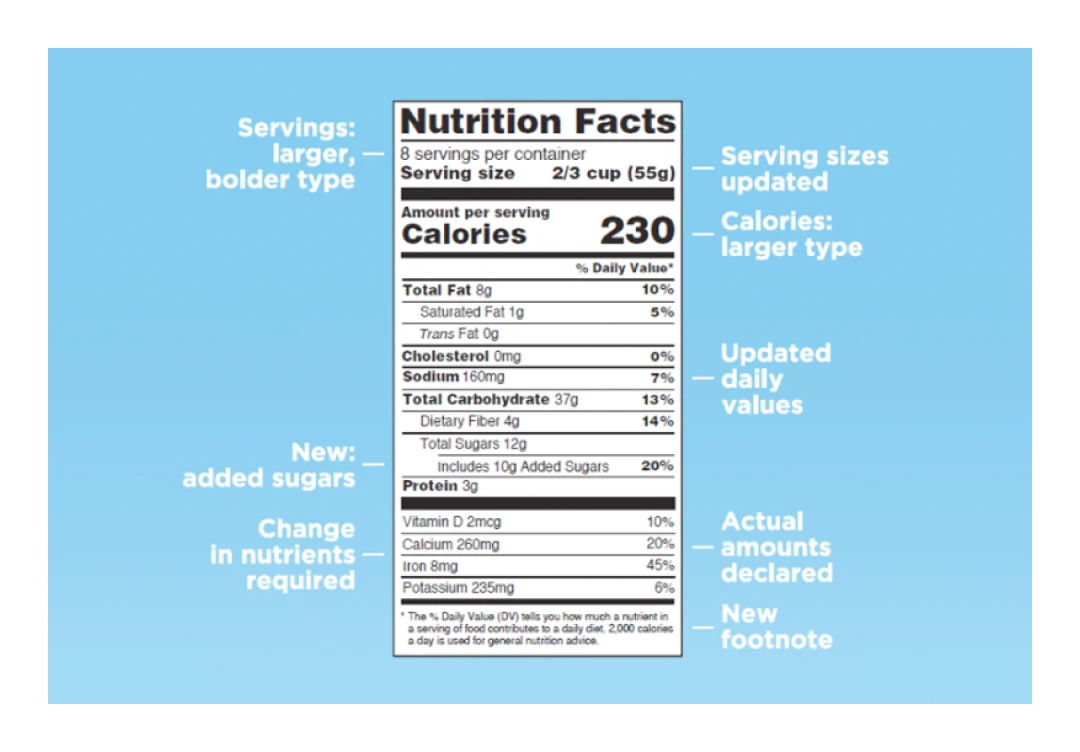
Nobody gets excited to read legal disclaimers or ingredient lists. But putting all that ‘boring’ stuff out in the open is a power move. It tells people you're an open book and have nothing to hide. It's less about following the rules and more about showing you're a company that isn't just trying to sell.
These ads serve two purposes: to meet legal requirements and to demonstrate corporate responsibility. When brands openly share compliance information, they avoid legal issues while building credibility with safety-conscious consumers who value transparency in their purchasing decisions.
Industries That Benefit Most from Informative Advertising
Informative advertising is a powerful tool across various sectors, particularly those where transparency, education, and trust are essential for informed consumer decision-making. Here are a few industries where informative advertising plays a pivotal role:
1. Healthcare
Advertisements from the healthcare industry help people to make smart decisions regarding treatments, medications, and wellness products. These advertisements are usually clear, research-backed information that is accurate and reliable. This helps healthcare brands educate consumers on complex topics, foster trust, and enhance patient outcomes.
For example, Public service announcements from organizations like NIH clearly explain vaccine benefits, disease prevention, or healthy lifestyle choices using data and expert advice.
2. Technology and Software
The technology sector, for complex software or hardware, thrives on informative advertising. So, these products often require explanation, feature breakdowns, and comparisons. This information helps simplify the technicalities for consumers, guiding them toward the best solutions for their needs.
For example, Apple's keynote presentations and detailed product pages meticulously break down new iPhone or MacBook features.
3. Financial Services
In banking, insurance, and investment, consumers want to make informed decisions because it directly involves wealth. In this case, informative advertising provides clarity. For financial products, investment strategies, or insurance policies, these ads help foster transparency and build confidence among customers.
For example, Fidelity Investments runs online webinars or educational articles explaining different retirement account options (like Roth IRAs vs. Traditional IRAs) and investment strategies for beginners.
4. Consumer Goods (Especially Health & Wellness Products)
In the health and wellness sector, consumers are often seeking products that adds value to their well-being. Informative advertising that explains ingredients, benefits, and usage instructions can influence purchasing decisions, especially when trust is a key factor.
For example, Thrive Market (an online healthy grocery store) uses blog posts and product descriptions to highlight the sourcing, nutritional benefits, and certifications (e.g., organic, non-GMO) of the products they sell.
5. Automotive
Consumers often face complex choices when buying vehicles. Informative advertising that outlines safety features, fuel efficiency, and technology innovations can help consumers make informed decisions while reinforcing the value of the product.
For example, Subaru's "Love Promise" campaigns often subtly integrate explanations of their EyeSight Driver Assist Technology or Symmetrical All-Wheel Drive system, focusing on safety and capability.
6. Education and E-Learning
In the education sector, informative advertising helps potential students understand what they will gain from the program. Providing detailed course content, success stories, and industry recognition helps establish trust and facilitates informed decision-making.
For example, Coursera showcases snippets of actual course lectures from university professors, testimonials from successful US-based alumni, and detailed curriculum outlines for popular specializations.
7. Real Estate
For real estate, where purchasing decisions involve significant investments, informative advertising provides the clarity buyers and renters need. Ads that highlight property features, neighborhood benefits, and financial options enable consumers to make informed choices.
For example, real estate listings on Zillow or Redfin include extensive neighborhood data (school ratings, walk scores for US cities), detailed property histories, and interactive mortgage calculators with current US interest rates.
8. Energy and Utilities
In the energy sector, informative advertising helps break down technical information. They emphasizes cost savings, environmental benefits, and long-term advantages. Therefore, informative advertising empowers consumers to make decisions that align with both economic and ecological goals.
For example, local utility companies (like Pacific Gas and Electric in California) run ads explaining new energy-saving programs, smart meter benefits, or how homeowners can claim federal tax credits for solar panel installation.
Helpful read: Innovative Marketing Strategies for Startups
KPIs for Informative Advertising
To determine the effectiveness of your informative ads, we need to track the right key performance indicators (KPIs). These metrics show how well your ads are educating, engaging, and converting your audience. Here’s what to focus on:
1. Awareness Metrics
- Brand Recognition: Are people recognizing your brand after seeing your ad?
- Message Recall: Can they remember your key message?
- Reach and Impressions: How many people are seeing your ad, and how often?
2. Engagement Metrics
- Click-Through Rate (CTR): How many people clicked on your ad?
- Time Spent with Content: Are users engaging with your content for a longer time?
- Social Shares and Comments: Are people sharing and talking about your ad?
3. Conversion Metrics
- Lead Generation: How many leads are you capturing?
- Sales Attribution: How many sales came directly from your ad?
- Cost Per Acquisition (CPA): How much are you spending to acquire a customer?
4. Trust Metrics
- Brand Trust Surveys: How much do customers trust your brand?
- Net Promoter Score (NPS): Would your customers recommend you?
- Return Visitors: Are users coming back for more?
Best Practices for Creating Informative Advertisements
57% of B2B marketers struggle to make the right content for their audience. They lack clear messaging, accurate data, and a strategy tailored to your audience. Here’s how you can get your informative advertising techniques right:
After years of watching campaigns succeed and fail, we've noticed certain patterns that separate the winners from the also-rans. Here's what actually works:
1. Cut Through the Noise with Simple Language: When we review ads, the ones that perform best sound like a friend explaining something over coffee. So, you should skip the buzzwords and corporate jargon.
2. Back Up Your Bold Claims: We've all seen those ads promising miraculous results, but you should include it only when you can claim. Also, these data should come from sources people actually trust.
3. Solve Real Problems, Not Imaginary Ones: The most powerful ads we've encountered don't just list features - they address genuine frustrations.
4. Show, Don't Just Tell: A well-designed infographic can communicate what three paragraphs of text can't. We've seen complex concepts become crystal clear with the right visual approach. Sometimes even a simple chart speaks louder than any testimonial.
5. Honesty Builds Lasting Relationships: This might sound counterintuitive, but acknowledging your product's limitations actually increases trust. When you're upfront about what doesn't work, people believe you more about what does.
6. Speak Their Language: Writing for teenagers? Don't sound like their parents. Targeting C-suite executives? Skip the emoji-heavy approach. We've watched great products fail simply because the message didn't match the user persona and specific pain points.
7. Give Them a Clear Next Step: Be specific "Schedule your free 15-minute consultation" or "Download the buyer's guide" - these work because they remove guesswork.
8. Target where it’s Needed: The best advertising content in the world won't matter if it's in the wrong place. We've learned this the hard way - a detailed white paper performs terribly on your Instagram page, but might be perfect for LinkedIn.
9. Test, Learn, Repeat: Set up your tracking before you launch. The campaigns that consistently outperform others aren't lucky. They're actually the ones that are customised based on what the data reveals.
Check out: Top App Marketing Trends For 2026
Conclusion
Informative advertising helps you empower your audience. And that, in turn, builds incredible trust and loyalty from your audience for your brand. It's not just about selling; it's about your brand helping people make smart, confident choices.
Apple's detailed iPhone specs justify their price, or the FDA's "The Real Cost" campaign genuinely changed behavior. Even the Surfrider Foundation's "plastic sushi rolls" made a huge impact by making a big problem feel personal.
So, it is all about giving real value, whether through comparisons, educational content, or just solid data. When your ads truly inform and empower, you're not just getting sales; you're building a foundation of trust that truly connects with people and helps your business grow.
Frequently Asked Questions
What does informative advertising do?
Informative advertising aims to educate consumers by providing clear, factual information about a product or service, thereby enhancing their understanding and decision-making process. It focuses on explaining benefits, features, and comparisons to help customers make informed decisions.
What is informative advertising mostly used for?
It is primarily used for new product launches or updates to existing ones to build initial demand and awareness. It is also common for complex products where consumers need specific information to understand the value and functionality before making a purchase.
Can you give examples of informative advertising?
Examples of informative advertising campaigns include Tesla’s environmental impact data, Surfrider Foundation’s ocean plastic campaign, and AIG’s mortgage insurance educational videos, all using factual information to educate and engage audiences.
What is informational marketing?
Informational ad marketing is a strategy that provides consumers with valuable, educational content. It includes guides, tutorials, and comparisons, designed to inform potential customers about products or services, thereby building trust and encouraging informed purchasing decisions.
When is the best time for a company to use informative advertising?
Informative advertising is most effective when launching a new, innovative product, introducing a complex service, or entering a new market. It is also essential for explaining technical specifications or for brands that prioritize transparency and trust.

Uncover executable insights, extensive research, and expert opinions in one place.
Related Content