We’ve spent weeks researching these tools to uncover which ones offer the best ROI for your time and items. If you're wondering where to sell used items without the usual headache, our comprehensive research has done the heavy lifting for you.Read Less
List Of Apps For Selling Items
Table of Content
Recent Topics
Related Topics

Pros & Cons
Pros
- Unmatched global buyer reach
- Robust seller protection policies
- Excellent for niche and rare collectibles
- Versatile auction or fixed-price options
Cons
- Complex fee structures for different categories
- High competition for common household items
- Steep learning curve for the listing dashboard
Why You'll Love It
The sheer scale of the global audience makes it the ultimate platform for selling rare items that might not find a buyer locally. It is a powerhouse for sellers who want data-driven insights and a massive, ready-to-buy marketplace.Top Features
- AI-driven "price match" suggestions for competitive listing
- Integrated Global Shipping Program for international sales
- Advanced seller analytics to track listing performance
- Multi-channel listing synchronization tools
- AI-driven "price match" suggestions for competitive listing
More about product
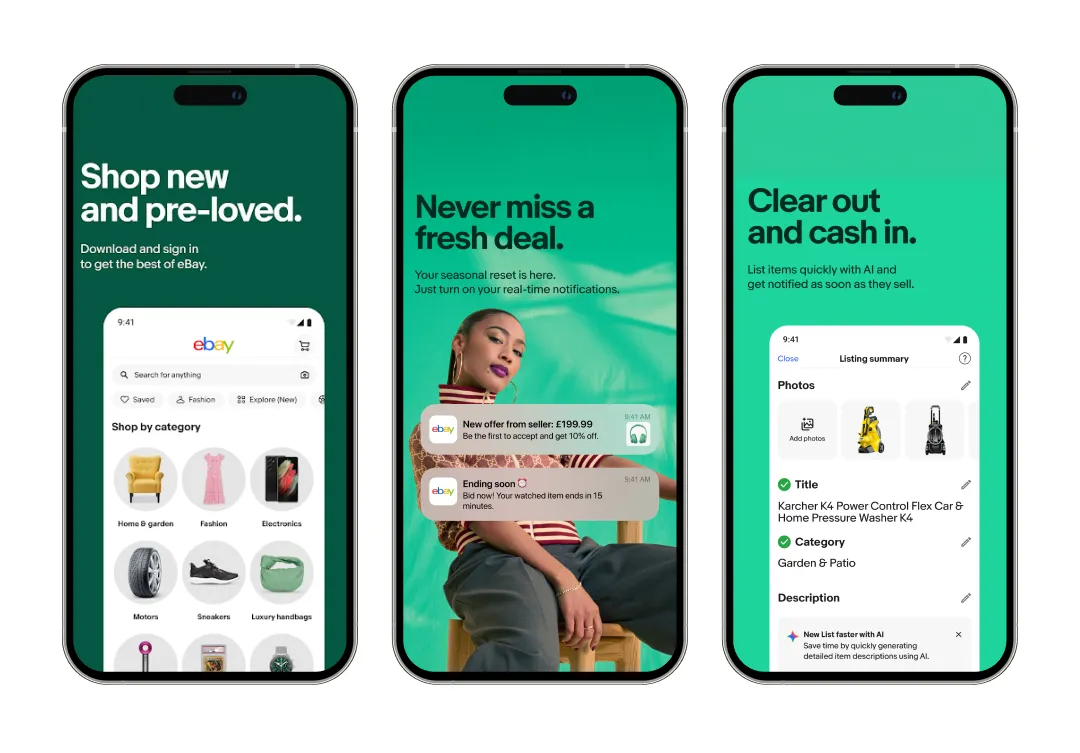
Through our deep research into the platform, we found that eBay remains the undisputed heavyweight of online marketplace apps. While other platforms focus on local convenience, eBay specializes in high-velocity global trade. Our analysis of their 2026 fee updates shows that while the final value fees can be higher than competitors, the speed at which niche items move is significantly faster.
We noticed that the platform has heavily invested in its "Authenticity Guarantee" for high-value goods, which has significantly increased buyer confidence in categories like luxury watches and vintage sneakers. It remains one of the most popular selling apps because it effectively turns your local clutter into a global inventory.

Pros & Cons
Pros
- Zero listing or commission fees for local sales
- Massive, built-in local user base
- Instant communication via Messenger
- New 2026 Meta AI auto-description tools
Cons
- High frequency of "ghosting" by potential buyers
- Limited seller protection for person-to-person deals
- Privacy concerns regarding personal profile links
- High prevalence of automated scam inquiries
Why You'll Love It
The direct integration with a social network you already use makes it incredibly convenient for moving heavy items like furniture. It effectively eliminates the need for shipping logistics, allowing for quick, cash-in-hand transactions.Top Features
- Automated AI listing generation from uploaded photos
- Community-rated buyer and seller profiles
- Seamless "Boost Listing" options for local visibility
- Location-based radius filters for hyper-local selling
- Automated AI listing generation from uploaded photos
More about product
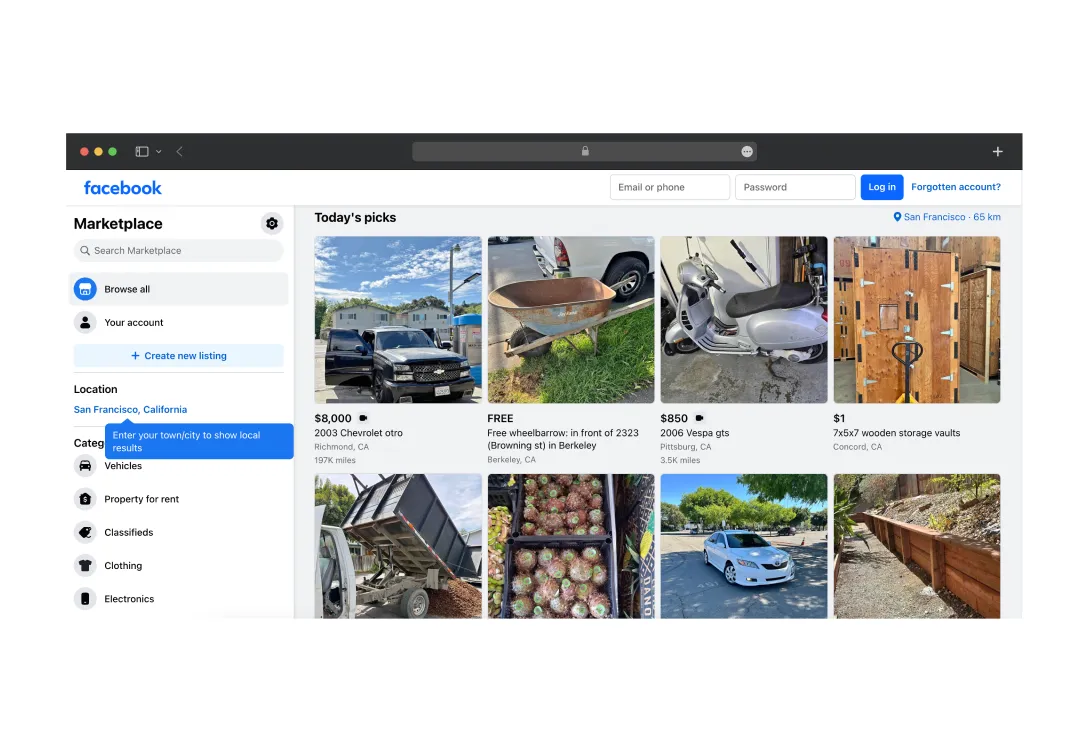
Our research highlights Facebook Marketplace as the go-to choice for local, no-cost selling. Unlike other apps for selling items, this platform doesn't take a cut of your local sales, which is a massive advantage for profit margins.
We looked into their recent algorithm updates for 2026 and found that the platform now prioritizes "Verified" profiles, which helps weed out some of the anonymity issues of the past. It is consistently ranked among the best marketplace apps specifically because of the low barrier to entry—if you have a Facebook account, you're already a seller.

Pros & Cons
Pros
- Highly targeted audience for unique goods
- Professional and aesthetic shop interfaces
- Strong community and seller support network
- Integrated tools for branding and packaging
Cons
- Strict "Handmade or Vintage" category rules
- 20-cent listing fee per item every four months
- Significant marketing and transaction fees
- High competition within popular craft niches
Why You'll Love It
The curated nature of the marketplace attracts "discovery" buyers who are willing to pay a premium for craftsmanship and story. It’s the gold standard for anyone looking to build a recognizable brand rather than just a one-off sale.Top Features
- Customizable "Brand Home" storefronts
- Etsy Ads for targeted internal search placement
- Comprehensive "Seller Handbook" educational resources
- Integrated shipping label discounts for sellers
- Customizable "Brand Home" storefronts
More about product
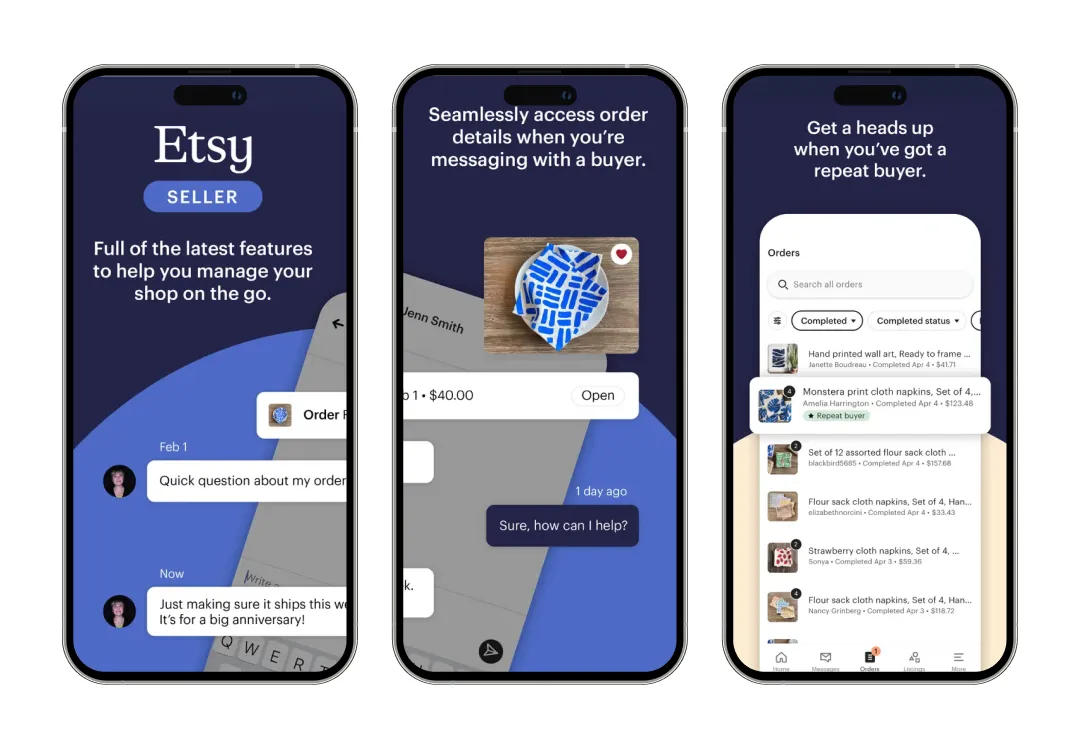
We spent considerable time researching Etsy’s transition into a more tech-forward platformw. While it started as a simple craft site, it has evolved into a sophisticated commerce engine. Our research shows that their latest search algorithm now heavily favors shops with "Star Seller" status and fast shipping times.
It’s important to note that while it is one of the top selling apps, it requires a more professional approach than a simple garage sale app. The buyers here expect high-quality photography and a cohesive brand aesthetic, which we found to be the key differentiator for successful sellers on the platform.

Pros & Cons
Pros
- TruYou identity verification for safer meetups
- Extremely fast mobile-first listing process
- Built-in secure messaging to keep phone numbers private
- Great for electronics and automotive parts
Cons
- High shipping fees compared to national platforms
- Frequent lowball offers from bargain hunters
- Frequent ads within the user interface
- "Promote Plus" subscription costs can add up
Why You'll Love It
The "Hold" feature and verified identity badges provide a layer of trust that is often missing from other local classifieds. It strikes a perfect balance between the anonymity of traditional boards and the social nature of modern apps.Top Features
- "Community Meetup Spots" location suggestions
- Instant "Make an Offer" and "Counter" buttons
- In-app payments and shipping label generation
- Seller "Response Time" and "Rating" transparency
- "Community Meetup Spots" location suggestions
More about product
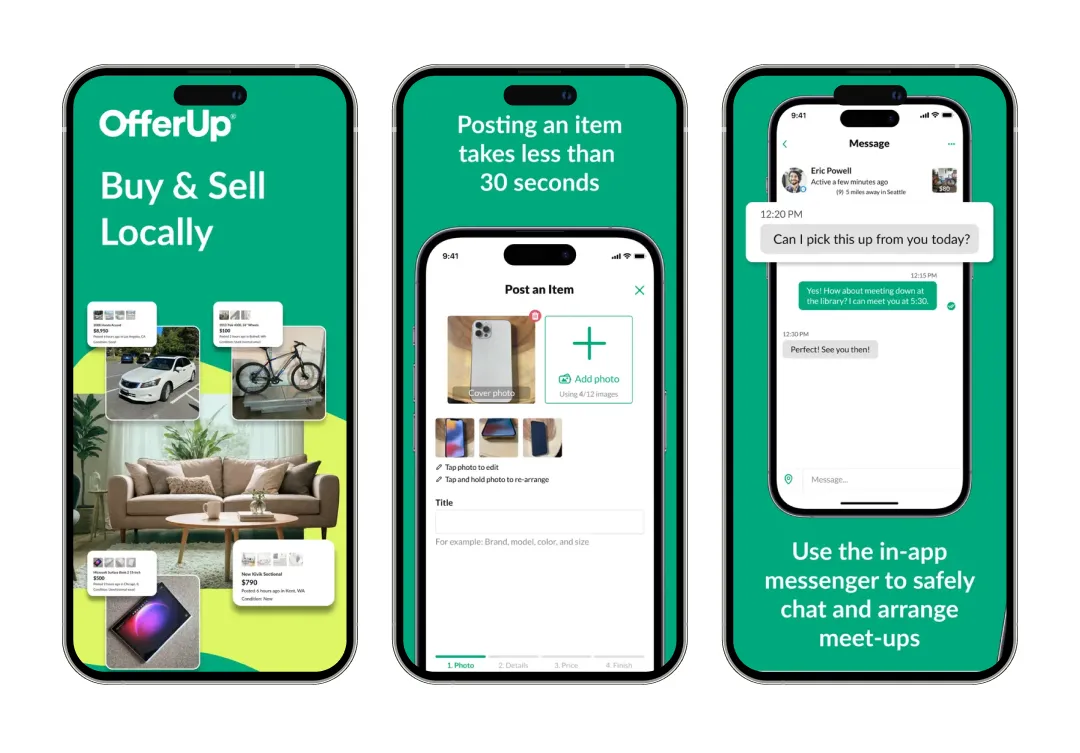
Through our technical review of OfferUp, we found that its mobile interface is perhaps the most streamlined in the industry. It is specifically designed for the "take a photo and post" workflow. Our research into their safety features revealed that their "TruYou" verification—which requires a state ID—has significantly decreased fraudulent activity compared to its competitors.
As one of the best apps to sell stuff locally, it excels in categories like home decor and outdoor gear where buyers prefer to inspect the item in person before finalizing the transaction.

Pros & Cons
Pros
- Zero commission fees and zero listing fees
- Total privacy through email relay systems
- No account registration required for browsing
- Ideal for high-value, bulky items like cars
Cons
- No user rating system to verify credibility
- Text-heavy interface feels dated and clunky
- High risk of scams and phishing attempts
- No built-in payment or shipping infrastructure
Why You'll Love It
The absolute simplicity and lack of middleman interference make it the quickest way to get cash in hand today. It is the ultimate tool for those who value privacy and want to avoid the "algorithmic" nature of modern marketplaces.Top Features
- Anonymous email obfuscation for all inquiries
- Localized sub-domains for hyper-specific targeting
- "Save Search" alerts for high-demand items
- No-fee listings for the vast majority of categories
- Anonymous email obfuscation for all inquiries
More about product
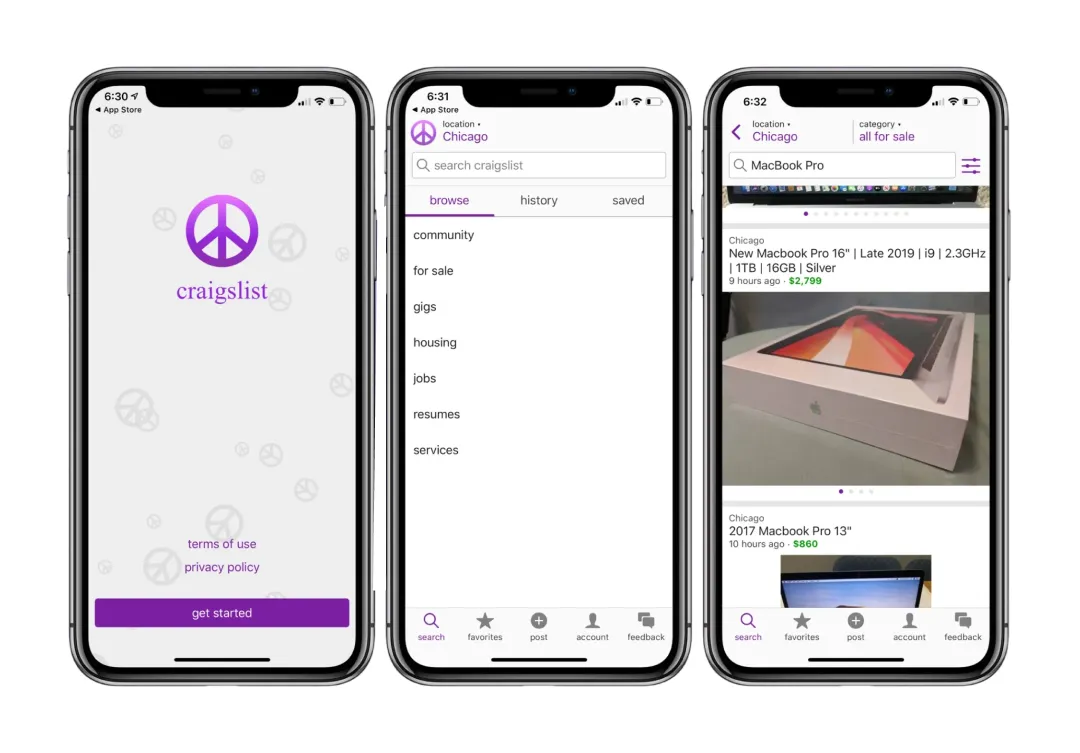
While researching where to sell used items, it became clear that Craigslist still holds a unique position in the market despite its 90s-era design. We found that for big-ticket items—specifically furniture, appliances, and vehicles—it often outperforms newer apps because of its massive legacy user base.
Our research into their security updates for 2026 shows they have improved their automated fraud detection, though we still recommend exercising a high degree of caution. It remains a staple because it stays out of the way; there are no "likes," no "shares," and no fees—just buyers and sellers.

Pros & Cons
Pros
- Simplest shipping process in the industry
- Socially engaged community of fashion lovers
- Posh Authenticate for luxury items
- Direct "Offer to Likers" marketing tool
Cons
- High 20% commission on sales over $15
- Requires active "sharing" to maintain visibility
- Not cost-effective for very low-value items
- High flat-rate shipping can deter small buyers
Why You'll Love It
The "no-guesswork" shipping is easily the standout feature; you don't have to weigh items or calculate zones—just print the prepaid label provided. It’s essentially a turn-key boutique for your closet.Top Features
- "Posh Parties" for real-time category selling
- Bulk listing and inventory management tools
- QR code shipping for printer-free drop-offs
- Social feed for following favorite "closets"
- "Posh Parties" for real-time category selling
More about product

Our deep dive into Poshmark revealed that it is less of a marketplace and more of a social network for fashion. We researched their latest "Posh Lens" AI tool, which helps sellers find the right brand and category keywords just by scanning a garment. While the 20% commission is one of the highest in our research, we found that it covers a lot of ground, including credit card processing fees and buyer protection.
For those looking for the best apps to sell stuff in the fashion and home decor categories, Poshmark’s community-driven model ensures your items are seen by people specifically looking for your style.

Pros & Cons
Pros
- High engagement for vintage and "Gen-Z" trends
- Lower 10% commission fee compared to Poshmark
- Social media-style "Explore" page visibility
- Supports video listings for better item display
Cons
- High demand for professional-grade photography
- Highly trend-dependent; basic items move slowly
- Intense competition from established "curators"
- Seller protection is contingent on specific shipping
Why You'll Love It
The social-first interface means that if your aesthetic is on point, your items can reach "viral" status within the app's community. It’s the premier destination for anyone selling items that fall under the "vintage," "streetwear," or "Y2K" umbrellas.Top Features
- Video-capable listings to show garment "fit"
- Instagram-style "Follow" and "Like" ecosystem
- Direct integration with PayPal and Depop Payments
- Personalized "Suggested for You" buyer algorithms
- Video-capable listings to show garment "fit"
More about product
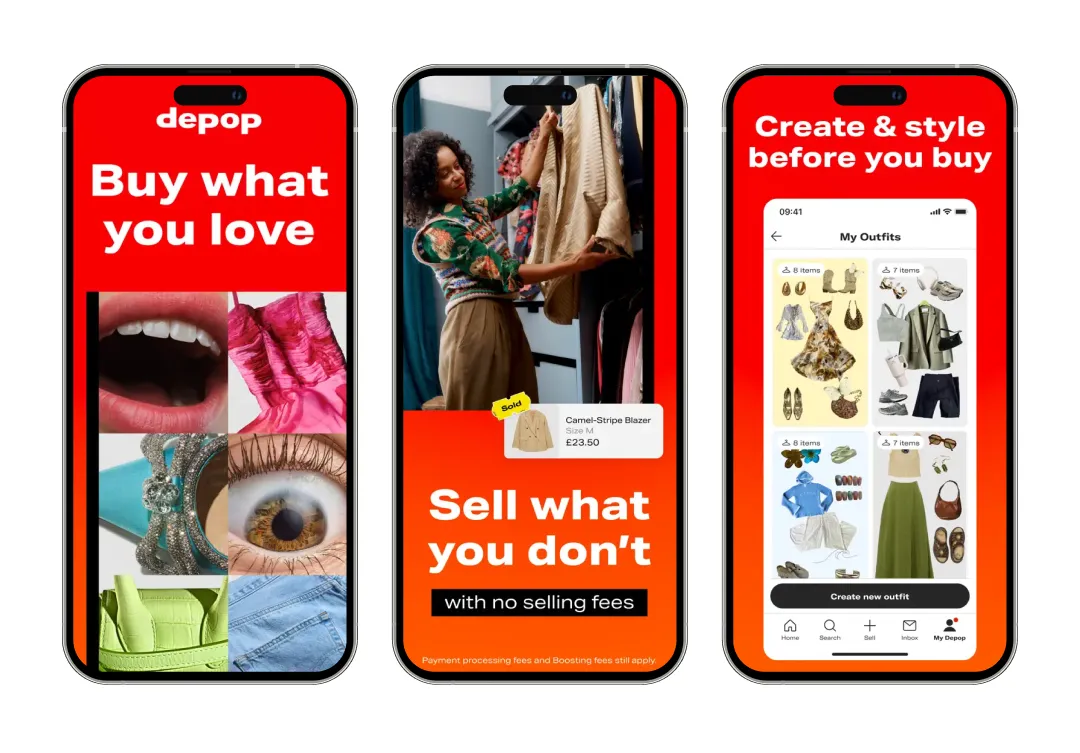
In our research of top selling apps, Depop stood out as the most visual-centric platform. We found that successful sellers on this platform function more like influencers than traditional vendors. Our analysis of their 2026 marketplace trends shows that Depop has become the primary search engine for "circular fashion" among younger demographics.
While it takes more effort to style and photograph items here, the 10% fee is significantly more competitive than other fashion-specific apps. It is where "cool" translates directly into sales.

Vinted
Pros & Cons
Pros
- Zero seller fees—you keep 100% of the sale price
- Minimalist, fast listing process
- Encourages item "bundling" for bigger sales
- Growing rapidly in the US and UK markets
Cons
- Buyers pay a "Protection Fee" on every purchase
- Limited advanced tools for high-volume sellers
- Customer service response times can be slow
- Lower average selling prices than luxury apps
Why You'll Love It
Keeping 100% of your sale price is a rare find in 2026 and provides a massive psychological and financial win. It’s the perfect "volume" platform for those who want to clear out a large number of items quickly without worrying about margins.Top Features
- No-fee selling for all clothing and home categories
- Simple "Bundle Discount" automation for buyers
- Integrated, prepaid shipping labels (UPS/USPS)
- Direct-to-bank-account payout system
- No-fee selling for all clothing and home categories
More about product
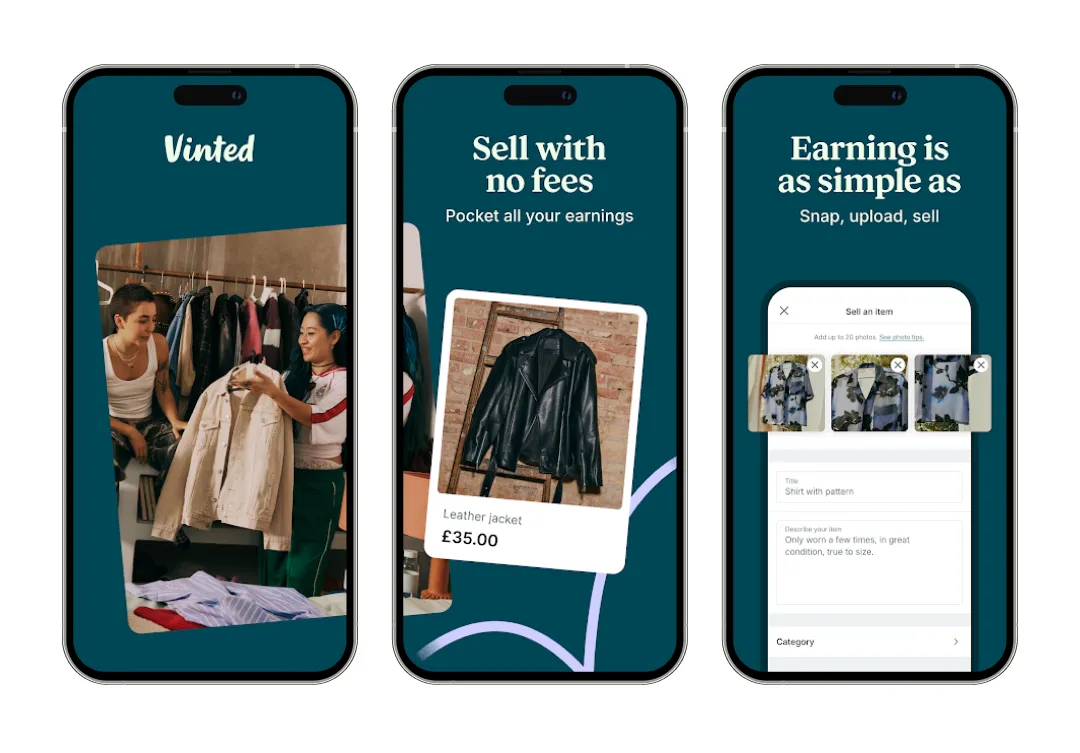
We researched Vinted's aggressive expansion and found it to be the most "seller-friendly" app in terms of pure economics. Because the buyer pays the protection fee, the price you list is exactly what you get.
Our research suggests that this platform is best for "everyday" brands rather than high-end luxury. It’s one of the most popular selling apps for families who are constantly cycling through kids' clothes or mid-market fashion. It’s straightforward, no-frills, and highly efficient.

Pros & Cons
Pros
- "Mercari Local" removes the need for shipping
- Incredibly broad range of allowed items
- "Instant Pay" allows for quick access to funds
- QR-code shipping makes drop-offs effortless
Cons
- Re-introduced a flat 10% seller fee in 2025
- Buyers now face additional service fees at checkout
- Shipping weight errors can result in heavy fines
- Returns are allowed within a 72-hour window
Why You'll Love It
"Mercari Local" is a game-changer; they partner with delivery services to pick up your item from your doorstep and deliver it to the buyer, meaning you never have to find a box or go to the post office.Top Features
- Door-to-door local delivery via Uber/DoorDash
- "Smart Pricing" tool to automatically adjust for sales
- Instant Pay for same-day fund transfers
- In-app "Authentication" service for designers
- Door-to-door local delivery via Uber/DoorDash
More about product
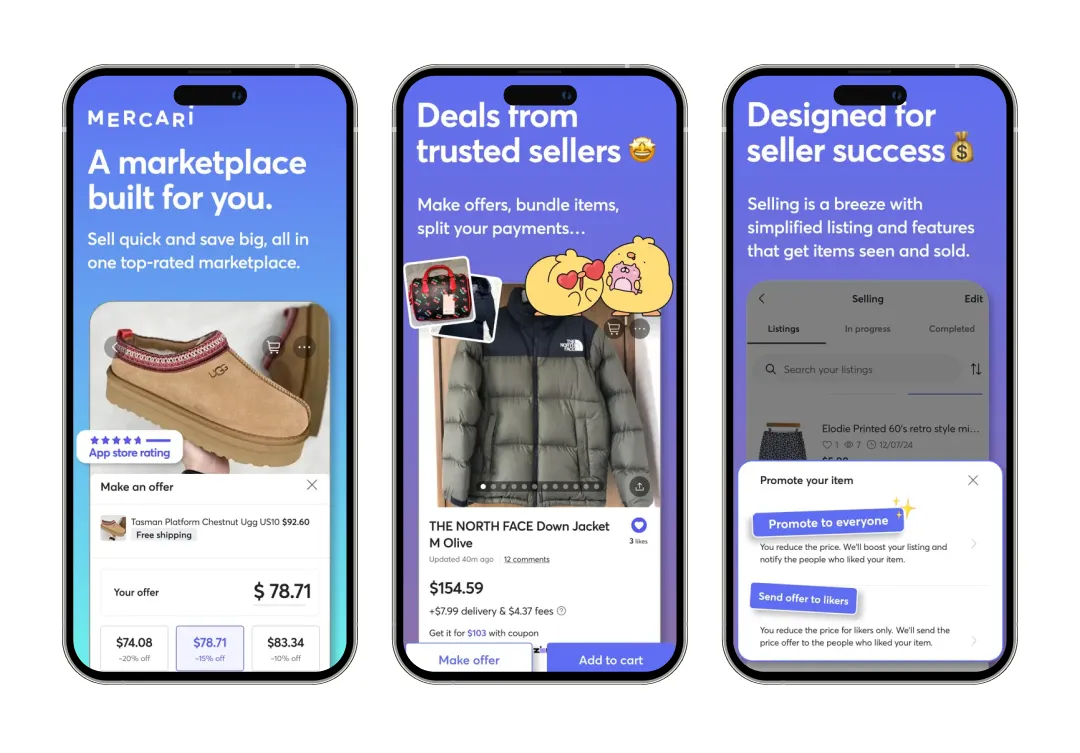
Our research into Mercari's latest updates shows they have refined their "Local" service to be one of the most reliable in the industry. It effectively solves the problem of selling items that are too big for a standard box but too small to justify a Craigslist meetup.
We found that Mercari's user base is incredibly diverse, making it one of the best marketplace apps for selling everything from old video games to kitchen appliances. The 10% fee is industry-standard, and the peace of mind provided by their "Mercari Authorize" program for electronics is a significant plus.

VarageSale
Pros & Cons
Pros
- Highly vetted and moderated local communities
- Manual identity verification for all members
- Zero fees for listing, selling, or buying
- Encourages safe, polite neighborly interactions
Cons
- Smaller overall audience than national apps
- Approval for specific local groups can take time
- Limited to specific geographic "pockets"
- Not an option for those looking to ship items
Why You'll Love It
The manual vetting process by real human moderators almost entirely eliminates the anonymity that leads to scams. It feels like a safe, digital version of a neighborhood block party where everyone is held accountable.Top Features
- Identity-verified local "communities"
- Admin-moderated listing quality control
- "Status" tags (Interested, Reserved, Sold)
- In-app messaging with read receipts
- Identity-verified local "communities"
More about product
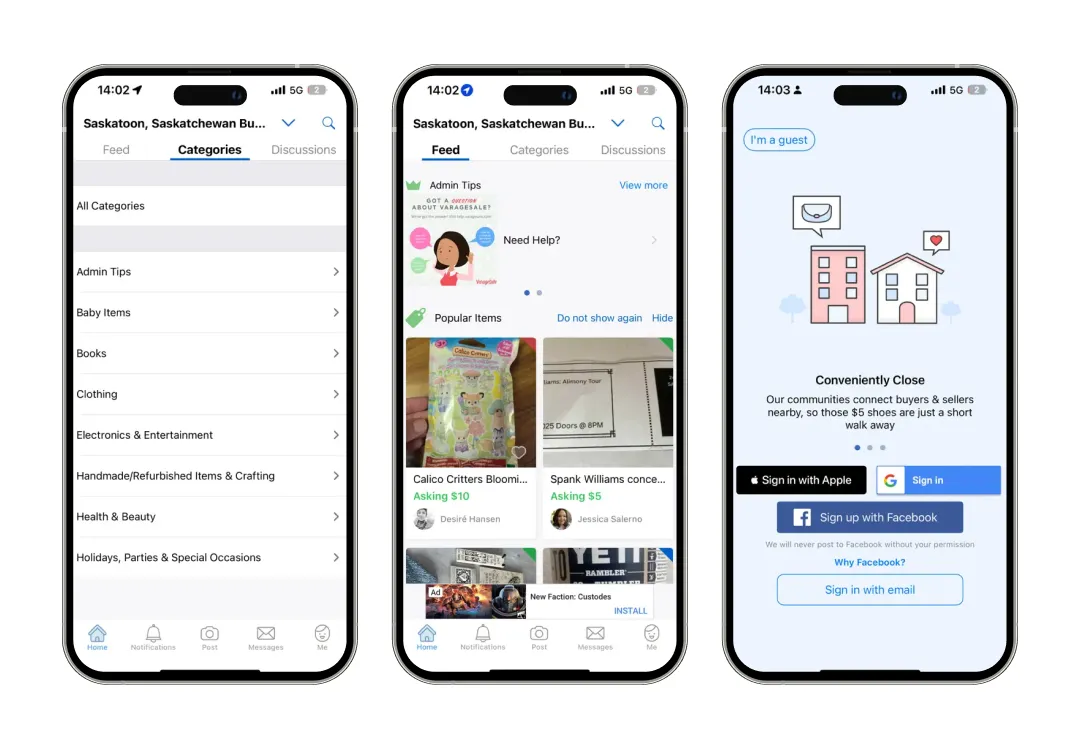
VarageSale is the "hidden gem" of our research. While it doesn't have the billion-dollar reach of eBay, it offers the highest level of safety we found. Our research into their community guidelines shows a zero-tolerance policy for "no-shows," which is the biggest pain point in local selling.
It’s one of the top selling apps for parents and homeowners who prioritize safety and community over raw reach. If you live in an active VarageSale "territory," our research suggests it will be your most pleasant selling experience by far.
Why Should You Consider Looking for the best apps to sell stuff?
1. Turning Clutter into Capital
In today's economy, letting valuable items gather dust is essentially leaving money on the table. Our research into the most popular selling apps shows that the average household sits on hundreds of dollars in unused tech, fashion, and home goods. By utilizing these platforms, you convert dormant assets into a liquid secondary income stream.
2. The 2026 Sustainability Shift
Selling used items isn't just about the money anymore; it’s about the circular economy. We’ve noted a massive trend toward "re-commerce" as consumers prioritize sustainability. Choosing the right apps for selling items helps extend the lifecycle of products, reducing landfill waste and supporting a more eco-friendly retail model.
3. AI-Powered Listing Efficiency
One of the biggest hurdles used to be the time investment required to post an ad. However, the best marketplace apps in 2026 now feature advanced AI that writes descriptions, suggests pricing, and even removes background clutter from your photos. It has never been faster to go from "clutter" to "listed."
4. Access to Niche Buyer Pools
General classifieds are great, but our deep dive revealed that specialized online marketplace apps allow you to reach hyper-targeted audiences. Whether you are selling vintage streetwear or high-end camera gear, there is an app that puts your item directly in front of people specifically looking for it.
5. Secure and Verified Transactions
Safety used to be a major deterrent for online selling. We’ve found that modern platforms have integrated robust identity verification and secure payment gateways. This evolution in the top selling apps means you can transact with confidence, knowing that both your data and your payments are protected.
6. Streamlined Shipping Logistics
The days of standing in long post office lines are fading. Most of the platforms we researched now offer QR-code shipping, home pickups, and flat-rate labels. This convenience makes it easier than ever to manage a side hustle without ever leaving your front porch.
How Did We Select these best apps to sell stuff For This List?
1. Rigorous Fee-to-Value Analysis
We didn't just look for the cheapest apps; we looked for the best value. Our team analyzed how much of your profit actually stays in your pocket after listing fees, transaction costs, and shipping cuts are settled. We prioritized platforms that are transparent about their "take" from your hard-earned sales.
2. Security and Trust Metrics
User safety was our top priority. We investigated the verification processes for each app, looking for features like two-factor authentication, buyer/seller ratings, and manual moderation. We only included apps to sell used items that have a proven track record of handling disputes fairly.
3. Mobile User Experience (UX)
Since most selling happens on the go, we spent hours navigating the interfaces of these best marketplace apps. We evaluated how many "taps" it takes to list an item, the responsiveness of the in-app messaging, and the overall stability of the mobile software in 2026.
4. Audience Reach and Liquidity
An app is only good if it has buyers. We researched the active user counts and "average time to sell" metrics for various categories. We selected top selling apps that maintain high traffic levels, ensuring your items don't sit in a digital vacuum for months on end.
5. Shipping and Local Pickup Flexibility
We looked for versatility in how items change hands. Our selection includes a mix of apps that excel in national shipping and those that dominate local, face-to-face transactions. We prioritized tools that offer integrated shipping labels and secure "meetup spot" suggestions.
6. 2026 Innovation and Features
Finally, we looked for the "X-factor"—the modern features that make an app stand out. From Mercari’s door-to-door local delivery to eBay’s global shipping infrastructure, we selected apps that are leveraging 2026 technology to make the seller's life significantly easier.
Conclusion
The "stuff" in our lives often represents more than just material possessions—it’s time, space, and potential capital. Choosing the best apps to sell stuff isn't just a weekend project; it's an intentional step toward a leaner, more intentional lifestyle. We’ve done the deep research so you don't have to navigate the maze of fees and algorithms alone.
Whether you’re looking to fund a dream vacation or simply clear a path through your living room, the right tools are finally at your fingertips. The real question is: what’s sitting in your closet right now that could be paying for your future?
We cut through the deafening digital noise to find what truly works. Every product on our list survives a relentless, hands-on analysis—no exceptions. We do the grunt work to deliver verified, trustworthy recommendations, so you can choose the right tools with absolute confidence.
- Products Reviewed - 4,000+
- No. Of Experts - 20+
- Categories - 65+
Frequently Asked Questions
Which of the best apps to sell stuff has the lowest fees?
If keeping your profit is the priority, our research points directly to Vinted and Facebook Marketplace. Vinted charges zero seller fees, while Facebook is completely free for local sales. They are easily the best marketplace apps for high-margin selling.
What are the best apps to sell stuff like high-end designer clothing?
For luxury and fashion, Poshmark and Depop are the most popular selling apps. Poshmark offers simplified shipping and authentication for high-value items, while Depop’s aesthetic-driven audience is often willing to pay a premium for unique, trendy, or vintage pieces.
Are online marketplace apps safe for local meetups?
Safety varies, but we found that OfferUp and VarageSale are the safest online marketplace apps for local deals. Their identity verification and moderated communities significantly reduce risk. We always recommend meeting in well-lit, public "Safe Trade" spots for transactions.
How do I choose between different apps to sell used items?
Choosing among apps to sell used items depends on your priorities: speed, profit, or convenience. Our research suggests using eBay for niche collectibles, Facebook for bulky furniture, and Vinted for clothing volume to maximize your success across different categories.
Do these top selling apps handle the shipping for me?
Most top selling apps like Poshmark and Mercari provide prepaid labels to simplify the process. For those who want to skip the post office entirely, Mercari Local even offers door-to-door pickup, making shipping logistics almost entirely hands-off for sellers.



We've got more answers waiting for you! If your question didn't make the list, don't hesitate to reach out.