TikTok's U.S. Ban Could Soon Be Avoided With a New App and a Sale in the Works
Date: July 07, 2025
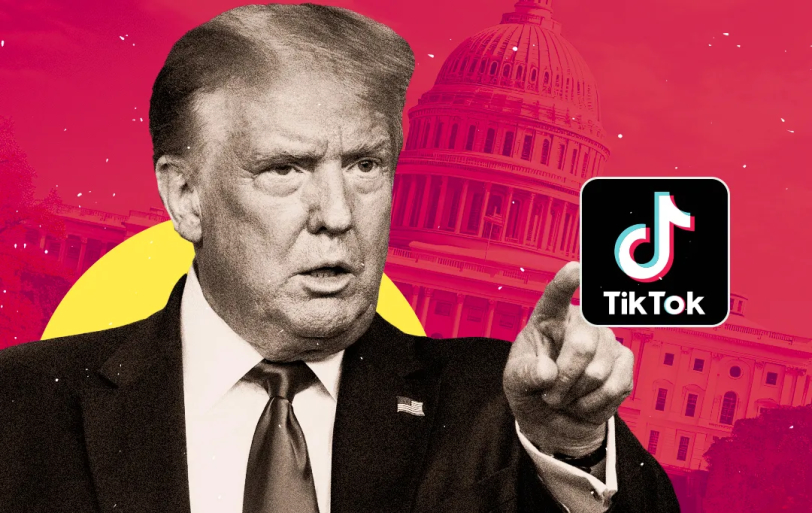
TikTok's efforts to avoid a U.S. ban now involve a new app version and a sale to American investors.
TikTok’s long-running battle to avoid a complete ban in the United States may finally be nearing an end. Sources say the app is building a new, U.S.-specific version designed to meet government security concerns. This can potentially resolve its ongoing regulatory headaches. The app's revamped version is expected to hit the U.S. app stores by September 5, 2025, while the current app will continue to operate until March 2026, allowing users time to transition.
Development of TikTok New App
The fresh version comes as part of an ambitious plan to safeguard TikTok’s U.S. presence. But there’s more: a sale of TikTok’s U.S. operations to a group of American investors seems imminent. President Trump has indicated that the U.S. is "pretty much" ready to finalize a deal. In fact, discussions between U.S. and Chinese officials have ramped up, with the Trump administration indicating that an agreement could soon be in place.
The move toward a new app and a sale is a result from growing concerns around national security. For years, U.S. lawmakers and security experts have raised alarms about TikTok’s data-sharing practices. Even more so ever since it’s owned by ByteDance (a Chinese company. In 2024).
The U.S. government signed the Protecting Americans from Foreign Adversary Controlled Applications Act. This act mandated that ByteDance divest its U.S. operations by January 2025—unless TikTok was able to meet specific regulatory requirements.
In response to these pressures, TikTok’s strategy has shifted from defending its practices to making tangible changes. The new app won’t just be a cosmetic makeover. Instead, sources confirm it’s a full-fledged redesign. This new version will take care of U.S. laws around data storage, content moderation, and privacy. All the while ensuring that user experience remains as close to the original app as possible.
As TikTok works on rolling out this revamped app, the stakes are high. The company’s future in the U.S. market rests on securing both regulatory approval and a smooth handover of operations to new owners. The sale, while still being negotiated, could finally provide the separation between TikTok’s Chinese roots and the U.S. market that many lawmakers have demanded.
If these efforts succeed, TikTok may have found the key to overcoming its political roadblocks. But with the deadline looming, the clock is ticking.

By Arpit Dubey
Arpit is a dreamer, wanderer, and tech nerd who loves to jot down tech musings and updates. With a knack for crafting compelling narratives, Arpit has a sharp specialization in everything: from Predictive Analytics to Game Development, along with artificial intelligence (AI), Cloud Computing, IoT, and let’s not forget SaaS, healthcare, and more. Arpit crafts content that’s as strategic as it is compelling. With a Logician's mind, he is always chasing sunrises and tech advancements while secretly preparing for the robot uprising.
// Recommended
Pinterest Follows Amazon in Layoffs Trend, Shares Fall by 9%
AI-driven restructuring fuels Pinterest layoffs, mirroring Amazon’s strategy, as investors react sharply and question short-term growth and advertising momentum.

Clawdbot Rebrands to "Moltbot" After Anthropic Trademark Pressure: The Viral AI Agent That’s Selling Mac Minis
Clawdbot is now Moltbot. The open-source AI agent was renamed after Anthropic cited trademark concerns regarding its similarity to their Claude models.

Amazon Bungles 'Project Dawn' Layoff Launch With Premature Internal Email Leak
"Project Dawn" leaks trigger widespread panic as an accidental email leaves thousands of Amazon employees bracing for a corporate cull.

OpenAI Launches Prism, an AI-Native Workspace to Shake Up Scientific Research
Prism transforms the scientific workflow by automating LaTeX, citing literature, and turning raw research into publication-ready papers with GPT-5.2 precision.

Have newsworthy information in tech we can share with our community?

Related Content