OpenAI Signals Interest in Acquiring Google’s Chrome Amid Antitrust Proceedings
Date: April 23, 2025
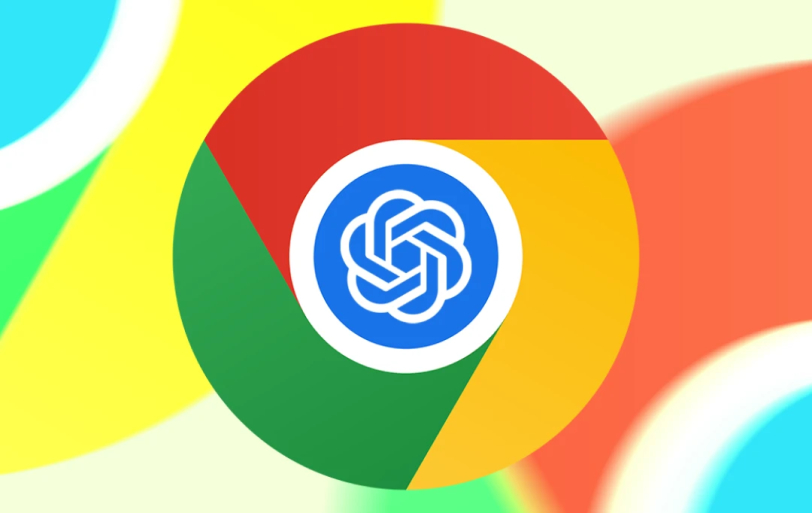
OpenAI signals interest in buying Chrome if Google is forced to sell, aiming to create an AI-powered browsing experience.
In a twist that’s turned heads across Silicon Valley and Capitol Hill, OpenAI has thrown its hat into the ring as a potential buyer for Google Chrome — that is, if a judge orders Google to part ways with the world’s most-used web browser.
The revelation came straight from OpenAI’s head of product, Nick Turley, during a U.S. antitrust hearing on Tuesday. When asked whether the company would consider acquiring Chrome, Turley didn’t hesitate.
“Yes, we would, as would many other parties,” he told the court.
The courtroom moment may have sounded hypothetical, but it comes as the Justice Department weighs serious remedies against Google for what it says are years of monopolistic behavior. One potential remedy? Forcing the tech giant to break up parts of its business, including Chrome, which dominates the browser market with over 60% share.
Turley argued that putting Chrome in OpenAI’s hands could open the door to a new kind of browsing experience — one built from the ground up with artificial intelligence in mind.
“You could create a really incredible experience for users,” Turley said, describing the opportunity to bake tools like ChatGPT directly into the browser. “It would help people understand what an AI-first experience looks like.”
OpenAI’s ambitions don’t stop at browsers. The company previously tried to work with Google to integrate its search engine into ChatGPT, but according to Turley, Google turned them down. Instead, OpenAI has had to rely on Microsoft’s Bing — a relationship Turley characterized as less than ideal, citing quality issues with the search data.
That dependence on Bing hasn’t stopped OpenAI from thinking bigger. Turley emphasized the importance of having access to Google’s search data through APIs, describing it as essential for giving users a more complete and accurate experience.
While all this plays out, internal Google documents surfaced in court are raising fresh concerns. The company reportedly considered exclusive deals with Android phone makers — including Samsung — to lock in its Gemini AI app, Chrome browser, and search engine as defaults. Prosecutors say that’s part of a broader pattern of behavior designed to box out competitors before they can gain ground.
What happens next is still up in the air. Judge Amit Mehta has already ruled that Google’s search practices crossed the line. Now, he’s deciding what the consequences should be. And depending on the outcome, a future where Chrome isn’t owned by Google isn’t off the table.
If that day comes, OpenAI wants to be ready.

By Arpit Dubey
Arpit is a dreamer, wanderer, and tech nerd who loves to jot down tech musings and updates. With a knack for crafting compelling narratives, Arpit has a sharp specialization in everything: from Predictive Analytics to Game Development, along with artificial intelligence (AI), Cloud Computing, IoT, and let’s not forget SaaS, healthcare, and more. Arpit crafts content that’s as strategic as it is compelling. With a Logician's mind, he is always chasing sunrises and tech advancements while secretly preparing for the robot uprising.
// Recommended
Pinterest Follows Amazon in Layoffs Trend, Shares Fall by 9%
AI-driven restructuring fuels Pinterest layoffs, mirroring Amazon’s strategy, as investors react sharply and question short-term growth and advertising momentum.

Clawdbot Rebrands to "Moltbot" After Anthropic Trademark Pressure: The Viral AI Agent That’s Selling Mac Minis
Clawdbot is now Moltbot. The open-source AI agent was renamed after Anthropic cited trademark concerns regarding its similarity to their Claude models.

Amazon Bungles 'Project Dawn' Layoff Launch With Premature Internal Email Leak
"Project Dawn" leaks trigger widespread panic as an accidental email leaves thousands of Amazon employees bracing for a corporate cull.

OpenAI Launches Prism, an AI-Native Workspace to Shake Up Scientific Research
Prism transforms the scientific workflow by automating LaTeX, citing literature, and turning raw research into publication-ready papers with GPT-5.2 precision.

Have newsworthy information in tech we can share with our community?

Related Content