OpenAI Launches ChatGPT Atlas: AI-Powered Browser Takes Aim at Chrome's Dominance
Date: October 22, 2025
New browser integrates ChatGPT directly into web browsing with Agent mode automation, optional memory features, and contextual AI assistance.
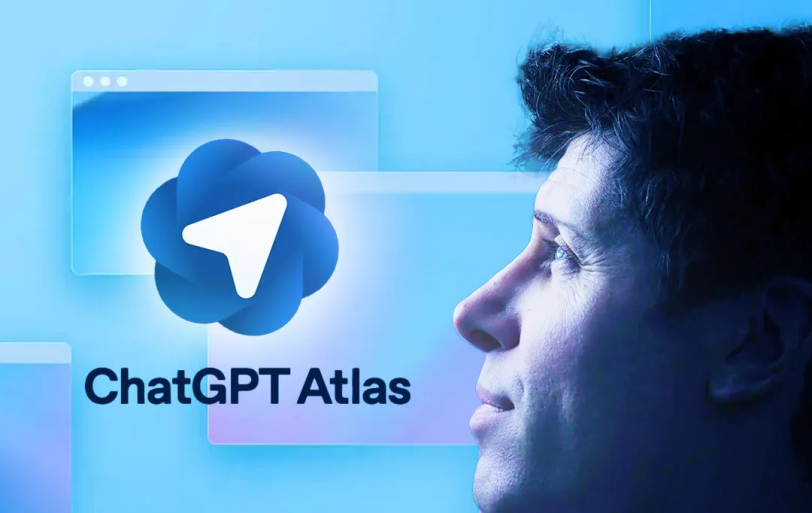
OpenAI unveiled ChatGPT Atlas on Tuesday, marking the company's ambitious entry into the browser market as it seeks to challenge Google Chrome's longstanding dominance in how people navigate the web.
The AI-powered browser, which integrates ChatGPT's capabilities directly into the browsing experience, launched globally on macOS for Free, Plus, Pro, and Go users, with versions for Windows, iOS, and Android planned for release soon. According to OpenAI's announcement, the browser represents a significant step toward creating what the company describes as a "true super-assistant."
Built-In AI Assistance
ChatGPT Atlas eliminates the friction of switching between browser tabs and ChatGPT by embedding the AI assistant directly into the browsing window. The browser can understand webpage context, respond to user queries without leaving the page, and perform actions based on instructions.
OpenAI's Product Lead Adam Fry confirmed during a livestream announcement that Atlas includes this sidebar feature, along with browser history capabilities that allow ChatGPT to log visited websites and user activities to provide more personalized responses.
Agent Mode Automates Tasks
There's the Agent mode, which remains preview only for Plus, Pro, and Business subscribers. This mode allows ChatGPT to actually do tasks in the browser, not just make recommendations. You can have the AI perform tasks like putting items in your shopping cart, scheduling meetings, extracting information from various documents, or even navigating web pages automatically, but you have to approve it first.
OpenAI acknowledges that Agent mode is still being refined for reliability and accuracy, particularly in complex workflows. This cautious approach reflects broader industry challenges with AI agents.
Memory and Privacy Features
Atlas incorporates an optional browser memory system that recalls previous interactions and browsing context. Users can ask ChatGPT to "summarize job listings I viewed last week" or "prepare an overview of companies I researched," with the AI drawing on stored information from past sessions.
All browsing data remains private to individual ChatGPT accounts, and users maintain full control over memory settings. Memories can be viewed, archived, or deleted at any time, and clearing browsing history automatically erases associated AI memories.
Users who wish to contribute browsing data to model training can enable an opt-in setting, though pages that block GPTBot will remain excluded.
Challenging the Status Quo
The launch positions OpenAI in direct competition with Google Chrome, which commands more than three billion users worldwide. Ben Goodger, OpenAI's Engineering Lead for Atlas, emphasized during the livestream that ChatGPT is central to the company's browser strategy.
"Browsers have quickly become the AI industry's next battleground," TechCrunch reported, noting that while Google Chrome has long dominated, AI chatbots and agents are fundamentally changing how people work online.
Head of ChatGPT Nick Turley told TechCrunch at OpenAI's DevDay conference that he's inspired by how browsers have redefined operating systems. Turley remarked that browsers have changed the way people get work done online, and thinks ChatGPT is a similar phenomenon.
Availability and Access
Atlas is rolling out in beta for Business accounts and is available to Enterprise and Education accounts if enabled by administrators. The browser can be downloaded from OpenAI's website, with existing ChatGPT parental control settings carrying over to the browser environment.
Whether OpenAI's entry can meaningfully challenge Chrome's market share remains uncertain. While AI-powered browsers have generated significant buzz in Silicon Valley, their broader market impact has been limited to date.

By Arpit Dubey
Arpit is a dreamer, wanderer, and tech nerd who loves to jot down tech musings and updates. With a knack for crafting compelling narratives, Arpit has a sharp specialization in everything: from Predictive Analytics to Game Development, along with artificial intelligence (AI), Cloud Computing, IoT, and let’s not forget SaaS, healthcare, and more. Arpit crafts content that’s as strategic as it is compelling. With a Logician's mind, he is always chasing sunrises and tech advancements while secretly preparing for the robot uprising.
// Recommended
Pinterest Follows Amazon in Layoffs Trend, Shares Fall by 9%
AI-driven restructuring fuels Pinterest layoffs, mirroring Amazon’s strategy, as investors react sharply and question short-term growth and advertising momentum.

Clawdbot Rebrands to "Moltbot" After Anthropic Trademark Pressure: The Viral AI Agent That’s Selling Mac Minis
Clawdbot is now Moltbot. The open-source AI agent was renamed after Anthropic cited trademark concerns regarding its similarity to their Claude models.

Amazon Bungles 'Project Dawn' Layoff Launch With Premature Internal Email Leak
"Project Dawn" leaks trigger widespread panic as an accidental email leaves thousands of Amazon employees bracing for a corporate cull.

OpenAI Launches Prism, an AI-Native Workspace to Shake Up Scientific Research
Prism transforms the scientific workflow by automating LaTeX, citing literature, and turning raw research into publication-ready papers with GPT-5.2 precision.

Have newsworthy information in tech we can share with our community?

Related Content