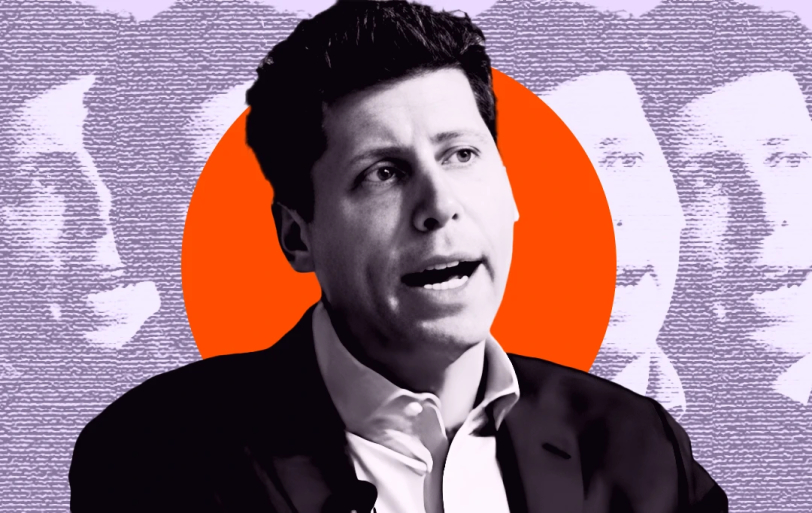
OpenAI CEO Sam Altman Asks Folks to Chill on Generating Ghibli Images
Date: March 31, 2025
OpenAI triggered a new trend by launching the 4o Image Generator with capabilities like creating Ghibli-styled images, and now, the trend has backfired.
As soon as Sam announced 4o's new ability to generate high-quality images, everybody rushed to see themselves through Ghibli's lens. In parallel, the trend also sparked controversy, making designers and artists worried about the fair use of their artworks.
But that didn’t stop folks who were having fun with the chatbot. Social media feeds were flooded with Ghibli-fied versions of people’s lives.
As a result, Sam Altman had to get involved and ask users to chill with the image generation, mentioning OpenAI’s GPUs are melting.
He posted on X on March 27:
“it's super fun seeing people love images in chatgpt.
but our GPUs are melting.
we are going to temporarily introduce some rate limits while we work on making it more efficient. hopefully won't be long!
chatgpt free tier will get 3 generations per day soon.”
After which, he made a follow-up post on March 30 as well stating:
“Can yall please chill on generating images this is insane our team needs sleep”
A user named Paul Graham asked on the same post:
“Lots of people need to be awake when load is high?”
Upon which Sam Altman replied:
“we just haven’t been able to catch up since launch so people are still working to keep the service up
biblical demand, I have never seen anything like it”
Here’s the whole post:
can yall please chill on generating images this is insane our team needs sleep
— Sam Altman (@sama) March 30, 2025
The overwhelming demand for AI-generated Ghibli images has given OpenAI servers a headache, leading to melting GPUs. And it’s clearly bothering Sam and his team. But it has also inspired GPT alternatives to keep up. It won’t be surprising to see AI bots like Grok cashing on the trend.
But that’s not the only issue; with the growing popularity of this new trend of using AI to generate Ghibli-style images, there’s a rising ethical concern, too. Folks like designers and creators are worried about the ethical concerns of AI.
They are scared of the work they post on the Internet, given the weak obligations that limit giants like OpenAI from training AI using copyrighted materials.
For now, the only thing to do is monitor how things are changing for OpenAI, GPT users, and those who are worried about AI's possibilities.

By Arpit Dubey
Arpit is a dreamer, wanderer, and tech nerd who loves to jot down tech musings and updates. With a knack for crafting compelling narratives, Arpit has a sharp specialization in everything: from Predictive Analytics to Game Development, along with artificial intelligence (AI), Cloud Computing, IoT, and let’s not forget SaaS, healthcare, and more. Arpit crafts content that’s as strategic as it is compelling. With a Logician's mind, he is always chasing sunrises and tech advancements while secretly preparing for the robot uprising.
// Recommended
Pinterest Follows Amazon in Layoffs Trend, Shares Fall by 9%
AI-driven restructuring fuels Pinterest layoffs, mirroring Amazon’s strategy, as investors react sharply and question short-term growth and advertising momentum.

Clawdbot Rebrands to "Moltbot" After Anthropic Trademark Pressure: The Viral AI Agent That’s Selling Mac Minis
Clawdbot is now Moltbot. The open-source AI agent was renamed after Anthropic cited trademark concerns regarding its similarity to their Claude models.

Amazon Bungles 'Project Dawn' Layoff Launch With Premature Internal Email Leak
"Project Dawn" leaks trigger widespread panic as an accidental email leaves thousands of Amazon employees bracing for a corporate cull.

OpenAI Launches Prism, an AI-Native Workspace to Shake Up Scientific Research
Prism transforms the scientific workflow by automating LaTeX, citing literature, and turning raw research into publication-ready papers with GPT-5.2 precision.

Have newsworthy information in tech we can share with our community?
Related Content