OpenAI A-SWE: The AI That Does What Engineers Dread, And Does It Better?
Date: April 14, 2025
Meet the AI that can write, test, debug, and document code—all autonomously. This might just replace engineers!
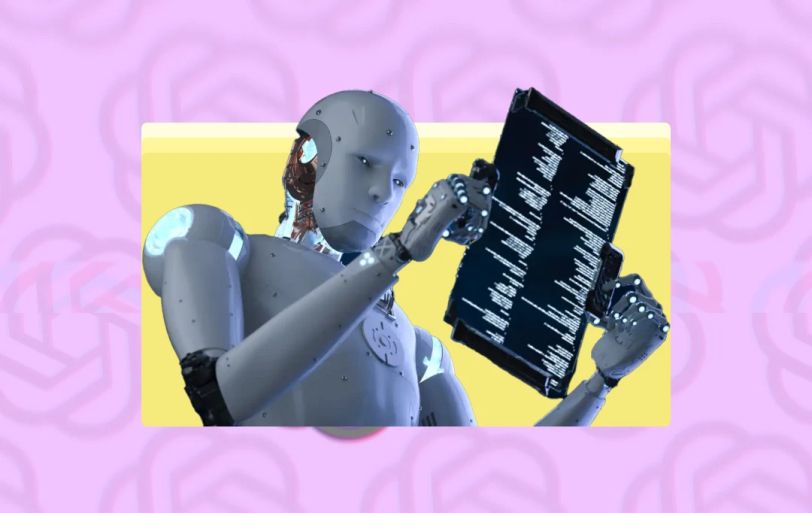
OpenAI is preparing to launch an advanced virtual software engineer, an A-SWE (Agentic Software Engineer), which promises to revolutionize software development by autonomously handling tasks like coding, debugging, quality assurance, and documentation. This ambitious move aims to automate the most tedious aspects of software engineering, tasks that human developers often avoid, thereby dramatically increasing team productivity.
But Open AI’s A-SWE isn't just another tool; it's part of a larger strategy by OpenAI to push the boundaries of AI in the tech world. The company recently introduced SWE-Lancer, a benchmark designed to test AI’s ability to handle real-world freelance software engineering tasks. With over 1,400 tasks worth a total of $1 million, SWE-Lancer covers a wide spectrum of work, from simple bug fixes to complex feature implementations.
This benchmark is significant because it links AI performance directly to real-world value, which could reshape how AI's economic impact on software engineering is understood.
The real catch? While A-SWE is designed to handle everything from coding to testing and documentation, OpenAI admits that current AI models still struggle with many complex tasks, leaving plenty of room for growth. That said, by focusing on automating the most labor-intensive tasks, A-SWE could drastically reduce the time engineers spend on routine work, allowing them to focus on more creative aspects of development.
However, this advancement comes with a major implication: the potential for job displacement. If A-SWE performs as promised, it could reduce the need for human developers and quality assurance engineers, raising concerns about the future of these roles in the tech industry.
Despite the hype, skepticism is still high. Other AI-powered tools like OpenAI’s earlier agents, Operator and Deep Research, were marketed as replacements for personal assistants and research roles but have had limited impact. The question now is whether A-SWE will truly live up to the buzz or simply join the list of overhyped AI tools.
As OpenAI continues to push the envelope, the future of software engineering may be dramatically altered, with AI playing a larger—and possibly disruptive—role in how tech is built.

By Arpit Dubey
Arpit is a dreamer, wanderer, and tech nerd who loves to jot down tech musings and updates. With a knack for crafting compelling narratives, Arpit has a sharp specialization in everything: from Predictive Analytics to Game Development, along with artificial intelligence (AI), Cloud Computing, IoT, and let’s not forget SaaS, healthcare, and more. Arpit crafts content that’s as strategic as it is compelling. With a Logician's mind, he is always chasing sunrises and tech advancements while secretly preparing for the robot uprising.
// Recommended
Pinterest Follows Amazon in Layoffs Trend, Shares Fall by 9%
AI-driven restructuring fuels Pinterest layoffs, mirroring Amazon’s strategy, as investors react sharply and question short-term growth and advertising momentum.

Clawdbot Rebrands to "Moltbot" After Anthropic Trademark Pressure: The Viral AI Agent That’s Selling Mac Minis
Clawdbot is now Moltbot. The open-source AI agent was renamed after Anthropic cited trademark concerns regarding its similarity to their Claude models.

Amazon Bungles 'Project Dawn' Layoff Launch With Premature Internal Email Leak
"Project Dawn" leaks trigger widespread panic as an accidental email leaves thousands of Amazon employees bracing for a corporate cull.

OpenAI Launches Prism, an AI-Native Workspace to Shake Up Scientific Research
Prism transforms the scientific workflow by automating LaTeX, citing literature, and turning raw research into publication-ready papers with GPT-5.2 precision.

Have newsworthy information in tech we can share with our community?

Related Content