The Latest Chrome Update Brings Bad News For Windows Users

Date: January 02, 2025
Despite the competition and the DOJ trying hard to demonetize Google’s market dominance, its latest update can dent Windows users’ preferences.
Is Microsoft resorting to predatory practices to demonetize Google’s market dominance? In the last year itself, more than enough Google Chrome updates have been reported to open new vulnerabilities and risks for both desktop and mobile users. While Google has acted swiftly on those reports, it is far from being completely safe to store credentials or surf the internet. Is it true, or is it part of a communication being pushed by the competition to hurt Google’s 66.3% market share?
The entire Google ecosystem is fighting the antitrust case in the US, with the DOJ almost convinced that the organization is following malpractices to sustain its position. While the company tackles challenges with the government, its closest competitor, Microsoft, is taking a big leap into pushing Edge as the best browser for Windows and Windows OS devices.
Despite the recent threat reports for Google Chrome users, the browser’s user base has not slid even slightly. Chrome currently boasts over 3.4 billion monthly active users, much above any other in the market. “Chrome opens 2025 with a strong and unreachable 66.88% market share, increasing its market share by 0.5 points in one month and 1.65 points year-over-year,” said Statcounter’s latest report.
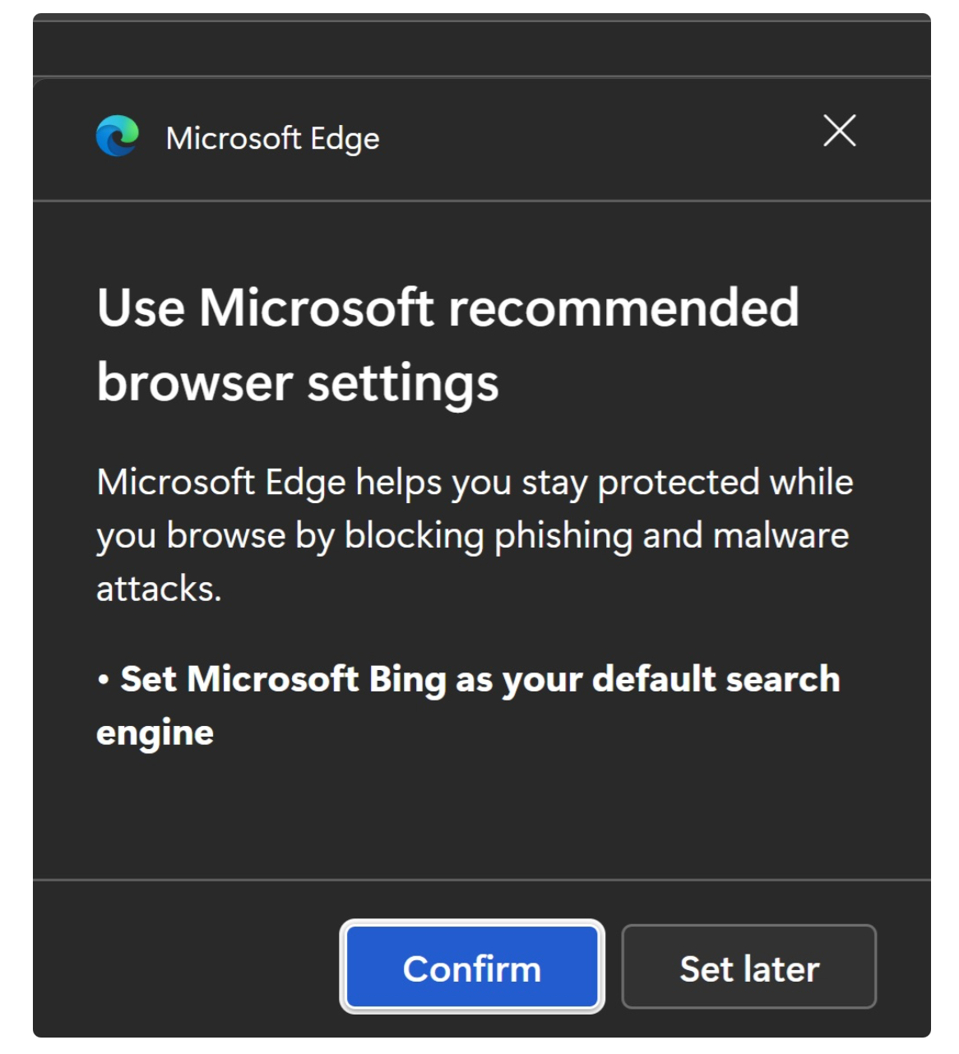
While Edge has grown 2% in mobile market share through various campaigns, it has grown significantly to 13% in desktop market share. Most of this shift has come from an aggressive push for the Edge browser to be the safest one. Now, the company is directly sharing security threats that may arise from using third-party browsers, including Google Chrome, saying, “Microsoft Edge won’t stop nagging users to set itself as default on Windows 11.”
According to a new report by CERT-In, multiple security vulnerabilities in Chrome versions of Windows, MAC, and Linus devices have been flagged. These security issues can be easily manipulated by online threat actors, causing hidden code or denial of service attacks. Google has acknowledged the report and is working on resolving the issue. However, the company claims that it is facing synchronization challenges with Microsoft to push its updates. As a result, Windows Chrome users might be at a higher risk than others.

By Arpit Dubey
Arpit is a dreamer, wanderer, and tech nerd who loves to jot down tech musings and updates. With a knack for crafting compelling narratives, Arpit has a sharp specialization in everything: from Predictive Analytics to Game Development, along with artificial intelligence (AI), Cloud Computing, IoT, and let’s not forget SaaS, healthcare, and more. Arpit crafts content that’s as strategic as it is compelling. With a Logician's mind, he is always chasing sunrises and tech advancements while secretly preparing for the robot uprising.
// Recommended
Pinterest Follows Amazon in Layoffs Trend, Shares Fall by 9%
AI-driven restructuring fuels Pinterest layoffs, mirroring Amazon’s strategy, as investors react sharply and question short-term growth and advertising momentum.

Clawdbot Rebrands to "Moltbot" After Anthropic Trademark Pressure: The Viral AI Agent That’s Selling Mac Minis
Clawdbot is now Moltbot. The open-source AI agent was renamed after Anthropic cited trademark concerns regarding its similarity to their Claude models.

Amazon Bungles 'Project Dawn' Layoff Launch With Premature Internal Email Leak
"Project Dawn" leaks trigger widespread panic as an accidental email leaves thousands of Amazon employees bracing for a corporate cull.

OpenAI Launches Prism, an AI-Native Workspace to Shake Up Scientific Research
Prism transforms the scientific workflow by automating LaTeX, citing literature, and turning raw research into publication-ready papers with GPT-5.2 precision.

Have newsworthy information in tech we can share with our community?

Related Content