Google Splitup May Harm Global Consumers And Businesses
Date: October 10, 2024
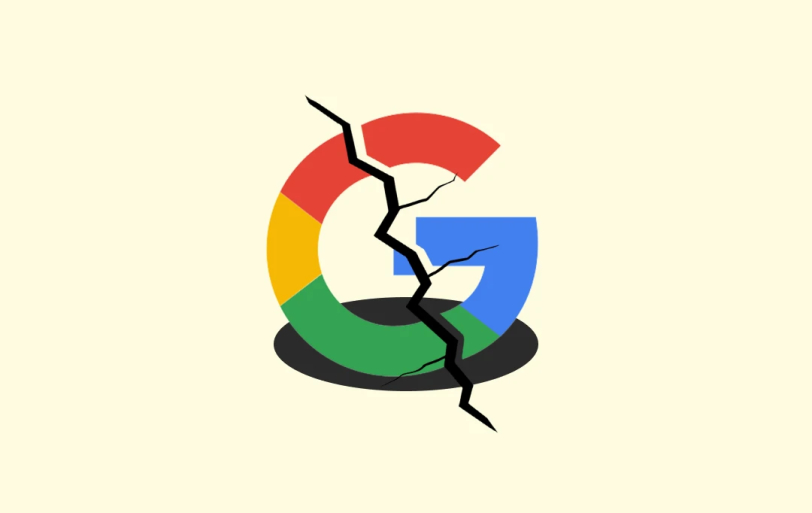
While the Department Of Justice considers splitting Google to break its unlawful dominance on online search, the impact may be chaotic for all.
The US government found a potential anti-competitive network operated by Alphabet Inc. that connects Android devices, Google Play Store, Chrome, and search. This pushed the court ruling against Google for practicing unlawful dominance in the online search market. As a result, the US Department of Justice is considering splitting the company’s various assets to restore balance.
This ambitious move comes after a US district court tagged Google as a monopolist, clearly breaking the antitrust laws in its efforts to remain the default search engine for both computer and mobile devices.
Forcing the split action on Google aims to push more transparency by Google about alternative search options and help websites choose if they want to participate in AI training. The DOJ is also considering a more aggressive measure of making Google share its search data with competitors or compelling Chrome and Android's separation.
The DOJ also identified certain Google partnerships with tech giants like Apple and Samsung to keep Google Chrome as the default search engine and plans to restrict them to offer a fair advantage to other players. Google has a revenue-sharing agreement with Samsung from the Play Store and a search traffic-sharing agreement on Safari with Apple.
Google has responded to the potential action by expressing strong retaliation. The tech giant claims that this move will undermine user privacy and dramatically alter the company. It would lead to complete chaos in the functioning and multiple processes that currently hold optimum privacy and security measures. By splitting the companies, accountability will be distributed, making it difficult to ensure best practices.
Google also stated that sharing search data will reduce the impact of businesses' innovative efforts. It also claimed that the measures under consideration are far beyond the scope of the antitrust case. Chrome and Android are two of Google's legacy flagship products, and their market dominance is majorly driven by consumer preference. The ruling judge will share his final verdict almost a year later, in August 2025. Till then, multiple conversations will be entertained to either raise or reduce the bar of scrutiny.

By Arpit Dubey
Arpit is a dreamer, wanderer, and tech nerd who loves to jot down tech musings and updates. With a knack for crafting compelling narratives, Arpit has a sharp specialization in everything: from Predictive Analytics to Game Development, along with artificial intelligence (AI), Cloud Computing, IoT, and let’s not forget SaaS, healthcare, and more. Arpit crafts content that’s as strategic as it is compelling. With a Logician's mind, he is always chasing sunrises and tech advancements while secretly preparing for the robot uprising.
// Recommended
Pinterest Follows Amazon in Layoffs Trend, Shares Fall by 9%
AI-driven restructuring fuels Pinterest layoffs, mirroring Amazon’s strategy, as investors react sharply and question short-term growth and advertising momentum.

Clawdbot Rebrands to "Moltbot" After Anthropic Trademark Pressure: The Viral AI Agent That’s Selling Mac Minis
Clawdbot is now Moltbot. The open-source AI agent was renamed after Anthropic cited trademark concerns regarding its similarity to their Claude models.

Amazon Bungles 'Project Dawn' Layoff Launch With Premature Internal Email Leak
"Project Dawn" leaks trigger widespread panic as an accidental email leaves thousands of Amazon employees bracing for a corporate cull.

OpenAI Launches Prism, an AI-Native Workspace to Shake Up Scientific Research
Prism transforms the scientific workflow by automating LaTeX, citing literature, and turning raw research into publication-ready papers with GPT-5.2 precision.

Have newsworthy information in tech we can share with our community?

Related Content