EU Steps Up Crackdown on Google and Apple, Tech Giants Face Tougher Rules
Date: March 20, 2025
EU targets Google and Apple under Digital Markets Act, intensifying regulatory pressure and sparking potential transatlantic tensions over tech dominance.
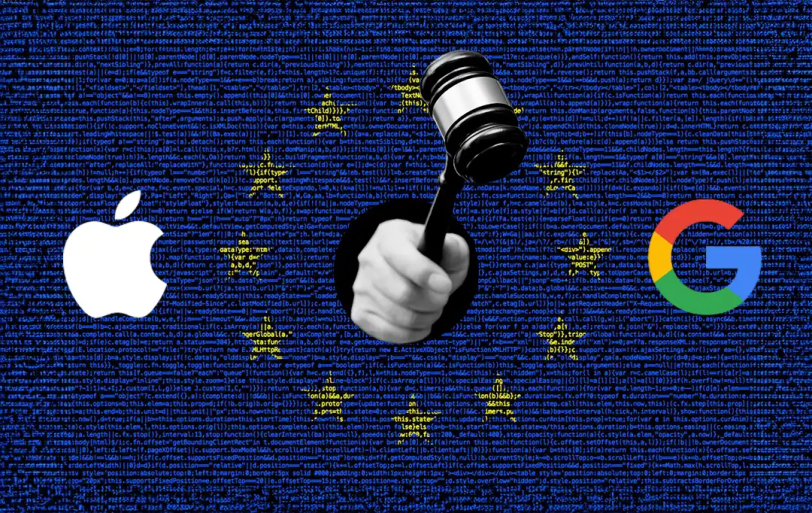
The European Union is taking another bold swing at tech heavyweights Google and Apple, hitting them with a significant regulatory crackdown under the Digital Markets Act (DMA). This new wave of scrutiny is shaking things up in Silicon Valley, putting tech giants on notice and fueling tension between Europe and the U.S.
Google in the Spotlight
Google, the powerhouse behind the most-used search engine worldwide, is now facing serious allegations from EU regulators. Officials claim that Google unfairly promotes its own services in search results and puts overly restrictive conditions on app developers who use its Play Store.
If the accusations hold up, Google could be slapped with fines amounting to 10% of its global revenue—a figure that easily runs into billions. Oliver Bethell, Google’s senior director for competition, gave a statement. "The Commission's findings require us to make even more changes to how we show certain types of Search results, which would make it harder for people to find what they are looking for and reduce traffic to European businesses."
Apple Told to Open Up
Apple, known for its tightly controlled ecosystem, must now loosen its grip according to the EU directive. Regulators demand that the tech giant allow rival developers more freedom to interact with its iOS operating system. While aimed at boosting competition and innovation, Apple warns that these moves might compromise the quality of user experience and device security.
In an Apple said, "Today's decisions wrap us in red tape, slowing down Apple's ability to innovate for users in Europe and forcing us to give away our new features for free to companies who don't have to play by the same rules,"
Not everyone is applauding the EU's aggressive approach. Former U.S. President Donald Trump criticized Europe’s crackdown, accusing the EU of unfairly singling out American companies. Trump has even floated the idea of retaliatory tariffs on European imports, adding fuel to already simmering trade tensions between the U.S. and Europe.
What Does This Mean for Tech’s Future?
Beyond just potential fines, this regulatory push signals a deeper shift in the tech industry. By strictly enforcing the DMA, the EU hopes to reshape how these powerful companies operate, setting a new global benchmark that could dramatically alter the competitive landscape.

By Arpit Dubey
Arpit is a dreamer, wanderer, and tech nerd who loves to jot down tech musings and updates. With a knack for crafting compelling narratives, Arpit has a sharp specialization in everything: from Predictive Analytics to Game Development, along with artificial intelligence (AI), Cloud Computing, IoT, and let’s not forget SaaS, healthcare, and more. Arpit crafts content that’s as strategic as it is compelling. With a Logician's mind, he is always chasing sunrises and tech advancements while secretly preparing for the robot uprising.
// Recommended
Pinterest Follows Amazon in Layoffs Trend, Shares Fall by 9%
AI-driven restructuring fuels Pinterest layoffs, mirroring Amazon’s strategy, as investors react sharply and question short-term growth and advertising momentum.

Clawdbot Rebrands to "Moltbot" After Anthropic Trademark Pressure: The Viral AI Agent That’s Selling Mac Minis
Clawdbot is now Moltbot. The open-source AI agent was renamed after Anthropic cited trademark concerns regarding its similarity to their Claude models.

Amazon Bungles 'Project Dawn' Layoff Launch With Premature Internal Email Leak
"Project Dawn" leaks trigger widespread panic as an accidental email leaves thousands of Amazon employees bracing for a corporate cull.

OpenAI Launches Prism, an AI-Native Workspace to Shake Up Scientific Research
Prism transforms the scientific workflow by automating LaTeX, citing literature, and turning raw research into publication-ready papers with GPT-5.2 precision.

Have newsworthy information in tech we can share with our community?

Related Content