Apple and Alibaba Partner to Launch AI Features for iPhones in China
Date: February 12, 2025
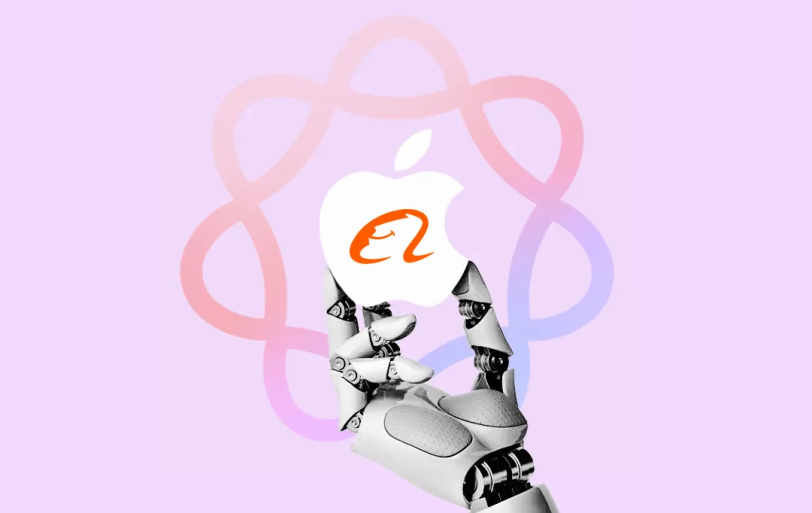
Apple teams up with Alibaba to introduce AI features for iPhones in China after losing ground to Huawei. With regulatory approval pending, the partnership aims to boost sales and meet China’s strict data laws.
Apple and Alibaba, the Chinese tech giant, are set to introduce new iPhone AI features in China, aiming to regain market share lost to competitors like Huawei. The move follows months of uncertainty over Apple’s AI strategy in China, which is facing regulatory challenges and increasing competition from domestic smartphone makers integrating AI tools.
Apple initially chose Baidu as its AI partner, but its models reportedly failed to meet Apple’s standards. After further evaluating AI solutions from Tencent, ByteDance, Alibaba, and DeepSeek, Apple selected Alibaba’s Qwen AI model. DeepSeek, a rising AI startup, was considered but ultimately rejected due to limited resources and experience handling large-scale clients.
Alibaba’s Qwen AI model, part of its Tongyi Qianwen family, is expected to be the backbone of Apple iPhone's new AI features in China. Recognized for its advanced capabilities, Qwen has powered multiple top-ranked open-source AI models globally. By leveraging Alibaba’s AI infrastructure, Apple aims to close the gap with competitors like Huawei, which has been integrating AI into its smartphones since last year.
Regulatory Approval Pending as Apple Faces Market Pressure
Apple and Alibaba have submitted their AI features for vetting to the Cyberspace Administration of China (CAC), the government agency responsible for digital and cybersecurity rules. Due to China's stringent data laws, foreign firms must collaborate with local companies to meet the government's demands.
The agreement matters to Apple, with the lack of AI-driven features being one reason for declining Chinese sales. CEO Tim Cook cited the lack of Apple Intelligence as one of the primary reasons for an 11% drop in iPhone sales in China, as local players like Huawei have seized the opportunity.
Neither Apple nor Alibaba has commented publicly on the deal despite the heartening union. The market has, however, responded positively to the announcement, with Apple’s shares rising 1.5% and Alibaba’s U.S.-listed shares gaining 2.6%.
China Developer Conference: Apple’s AI Unveiling?
Apple is also hosting its China Developer Conference on March 25 in Shanghai, which has sparked speculation that Apple may officially introduce its AI features for Chinese iPhones at the conference. As Apple is still pending regulatory approval, the success of the launch of its AI features may be the decider on whether Apple can compete in China’s rapidly evolving smartphone market.

By Arpit Dubey
Arpit is a dreamer, wanderer, and tech nerd who loves to jot down tech musings and updates. With a knack for crafting compelling narratives, Arpit has a sharp specialization in everything: from Predictive Analytics to Game Development, along with artificial intelligence (AI), Cloud Computing, IoT, and let’s not forget SaaS, healthcare, and more. Arpit crafts content that’s as strategic as it is compelling. With a Logician's mind, he is always chasing sunrises and tech advancements while secretly preparing for the robot uprising.
// Recommended
Pinterest Follows Amazon in Layoffs Trend, Shares Fall by 9%
AI-driven restructuring fuels Pinterest layoffs, mirroring Amazon’s strategy, as investors react sharply and question short-term growth and advertising momentum.

Clawdbot Rebrands to "Moltbot" After Anthropic Trademark Pressure: The Viral AI Agent That’s Selling Mac Minis
Clawdbot is now Moltbot. The open-source AI agent was renamed after Anthropic cited trademark concerns regarding its similarity to their Claude models.

Amazon Bungles 'Project Dawn' Layoff Launch With Premature Internal Email Leak
"Project Dawn" leaks trigger widespread panic as an accidental email leaves thousands of Amazon employees bracing for a corporate cull.

OpenAI Launches Prism, an AI-Native Workspace to Shake Up Scientific Research
Prism transforms the scientific workflow by automating LaTeX, citing literature, and turning raw research into publication-ready papers with GPT-5.2 precision.

Have newsworthy information in tech we can share with our community?

Related Content