- Strategy 1: Optimize for Featured Snippets – The Holy Grail of Zero-Click
- 2. Strategy 2: Leverage Structured Data (Schema Markup) for Enhanced SERP Presence
- 3. Implementation Best Practices
- Strategy 3: Dominate "People Also Ask" (PAA) Sections
- Strategy 4: Optimize for Local SEO and Google My Business (GMB)
- Strategy 5: Develop a Robust Content Strategy Focused on Intent and Value
- Strategy 6: Embrace Voice Search Optimization
- Pitfall 1: Obsessing Over Click-Through Rates
- Pitfall 2: Ignoring User Intent Behind Queries
- Pitfall 3: Over-Optimizing Content Structure
- Pitfall 4: Neglecting Local Search Opportunities
- Pitfall 5: Ignoring Schema Markup Implementation
- Pitfall 6: Copying Competitor Strategies Without Context
- Pitfall 7: Expecting Immediate Results
- Pitfall 8: Forgetting About E-A-T Signals
- The Future of Search and Adapting Continuously
- 1. Continued Evolution of SERP Features
- 2. AI and Machine Learning's Role
- 3. Importance of Adaptability
- 4. Focus on User Experience (UX)
 Share It On:
 Don't let Zero-Click searches sideline your content. Implement smart tactics to appear prominently, answer queries directly, and boost your brand's authority instantly.
You're scrolling through Google, type in a quick question, and boom—the answer appears right there. No clicking needed. This is happening in approximately 65% of all Google searches today and is radically changing the way information flows online. A new generation of digital strategists is playing an entirely different game, while old SEO fighters continue to chase clicks that might never materialize. They are acquiring the most valuable real estate on the internet: the information panels, featured snippets, and fast answer boxes that Google easily provides.
The irony? Zero clicks can mean maximum visibility when you know how to work the system.
Our guide reveals the tactics for zero-click searches that separate SERP dominators from the invisible majority. You'll discover how to engineer your content to become Google's go-to source for instant answers, turning the zero-click phenomenon from a traffic killer into your secret weapon.
Key Takeaways
- 65% of Google searches now result in no clicks, up from 50% in 2019, with 75% of mobile searches having no clicks.
- The key to success is featured snippets: organize content with distinct titles, succinct responses, and lists for position zero.
- Schema markup cannot be altered: use FAQPage, HowTo, and LocalBusiness schemas to improve SERP visibility.
- Multiple touchpoints are provided by People Also Ask (PAA) sections: create Q&A information that directly answers related queries.
- For businesses, local SEO dominates zero-click: enhance Knowledge Panels and Maps in Google My Business Listings Pack appearances.
- Zero-click and voice search go hand in hand: use conversational language and long-tail keywords to record voice requests.
- It's time to reconsider traditional traffic metrics: pay more attention to brand authority and visibility than click-through rates.
- Depth of content is still important: thorough and reputable content has a higher probability of being selected by Google.
What is a Zero-Click Search?
Zero-click searches occur when users find their answers directly on Google's search results page without clicking through to any website. Instead of the traditional journey from query to click to website visit, Google now serves up instant information through featured snippets, knowledge panels, direct answers, and other SERP features. This represents a significant shift, indicating how search engines are evolving from mere directories to becoming answer engines that deliver direct information.
The Numbers That Matter
The magnitude of this change is pretty much astounding:
- Nearly two-thirds of all Google searches end up on the search results page, with 65% of global searches ending without a click.
- Mobile searches show even higher rates at over 75%—reflecting how on-the-go users prioritize quick answers over deep research.
- Desktop users are more prone to look for immediate answers, but mobile users still click through more frequently (25 percent versus 17.3 percent).
- There’s been a progressive growth of 30% in just five years, which started from 50% in 2019 to 65% in 2024. This shows a clear picture rather than just a fad.
Types of Zero-Click Searches
Have you ever searched Google and, without clicking on a single link, found the answer to your issue right there on the search results page? If so, you've experienced the world of zero-click marketing firsthand! These "zero-click searches" are becoming increasingly common, as Google strives to provide instant answers, reshaping how we consume information online. And to bring more interest, here are the types of zero-click searches:
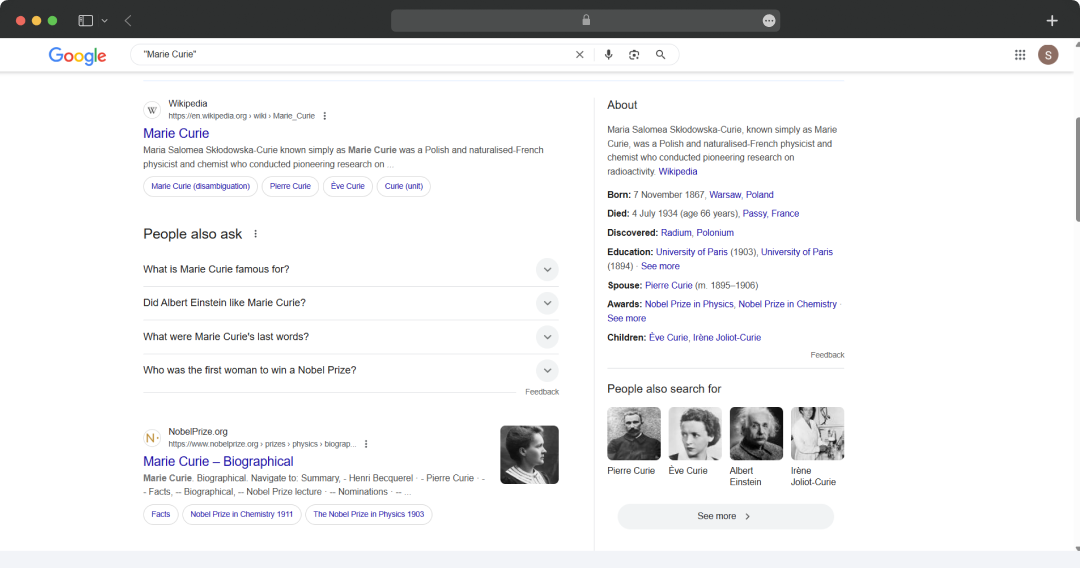
1. Knowledge Panel
Ever noticed the instant information box on Google when searching for a landmark, restaurant, or celebrity? That's a Knowledge Panel! These panels, which show up at the top of mobile results and on the right side of desktop results, are automatically generated by Google using reliable resources such as Wikipedia. They save you clicks by giving you a brief summary. Gaining a Knowledge Panel for your company lets Google know that you are a reputable brand, which increases your visibility to prospective customers. It's a strong online recommendation!
Search Query Example: "Marie Curie"
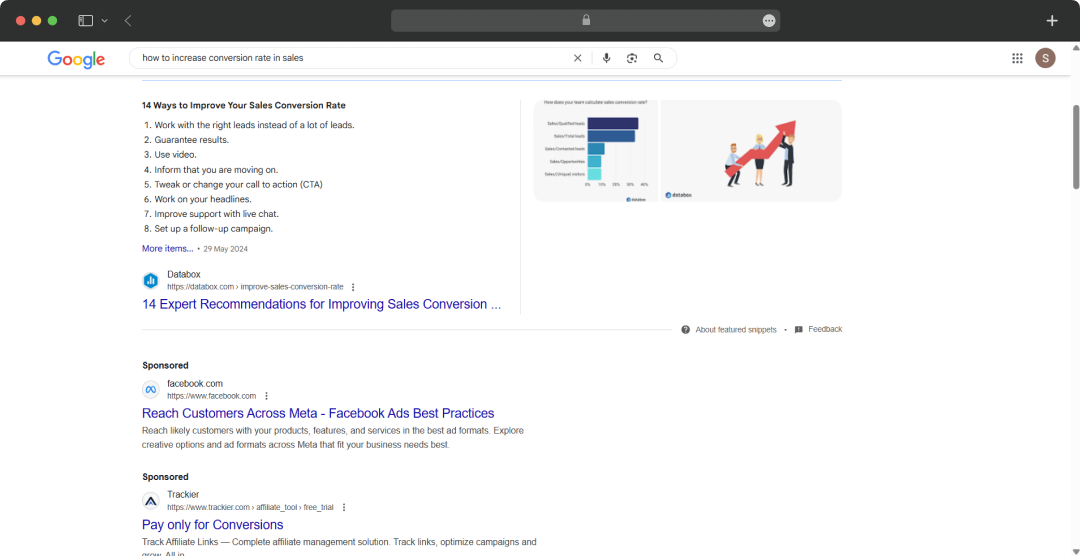
2. Featured Snippet
"Position Zero," also known as the Featured Snippet, is the most important space on the SERP. This succinct, straightforward response to a user's question is taken from a webpage and appears above conventional links in organic search results. Paragraphs, lists with numbers or bullets, tables, and even movies can all be considered featured snippets. Google chooses information that offers the clearest and most thorough response. Many users discover their answer in the snippet itself, resulting in a zero-click engagement, even though a link to the source is provided. Optimizing for these snippets is a crucial zero-click content marketing strategy, as it significantly enhances brand visibility and credibility, even if it doesn't always drive direct website traffic.
Search Query Example: "how to increase conversion rate in sales”
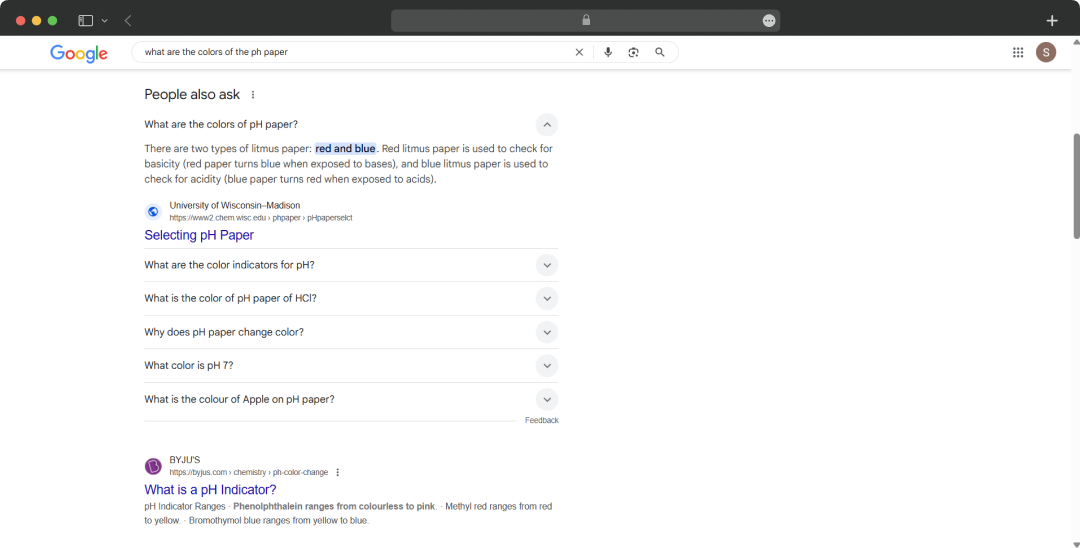
3. People Also Ask (PAA)
Learn about the extended box of similar questions that appears in search results, known as Google's "People Also Ask" (PAA) section. This dynamic feature anticipates user inquiries and provides concise, clickable responses—often accompanied by a link to the original source—right within the SERP. To determine common follow-up inquiries for content production and understand user intent, PAA is essential. Google chooses the most thorough responses, even if they result in interactions with no clicks. Similar to highlighted snippets, PAA optimization increases brand visibility and credibility, which is why it's essential for a strong zero-click content strategy.
Search Query Example: "what are the colors of the ph paper"
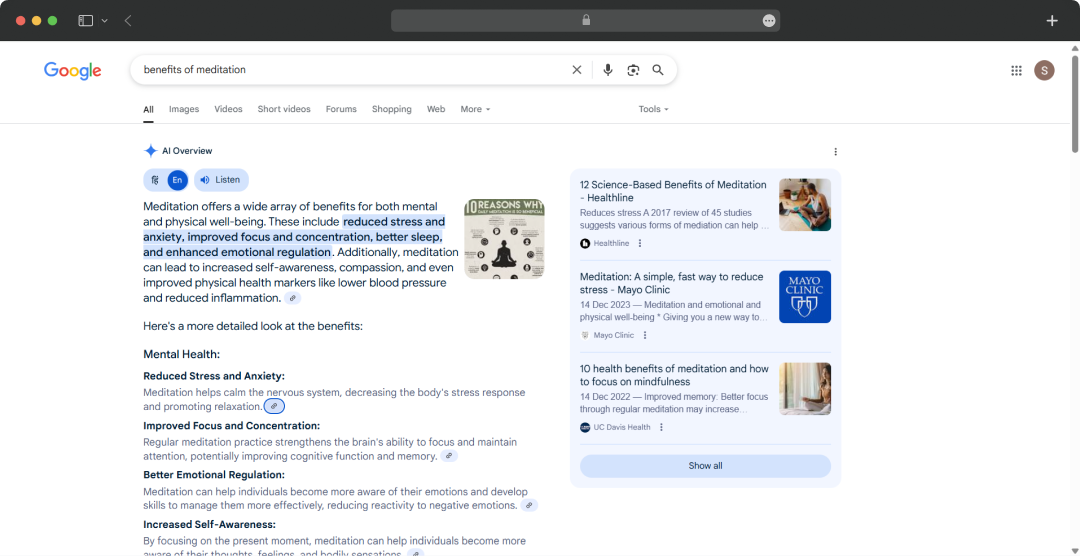
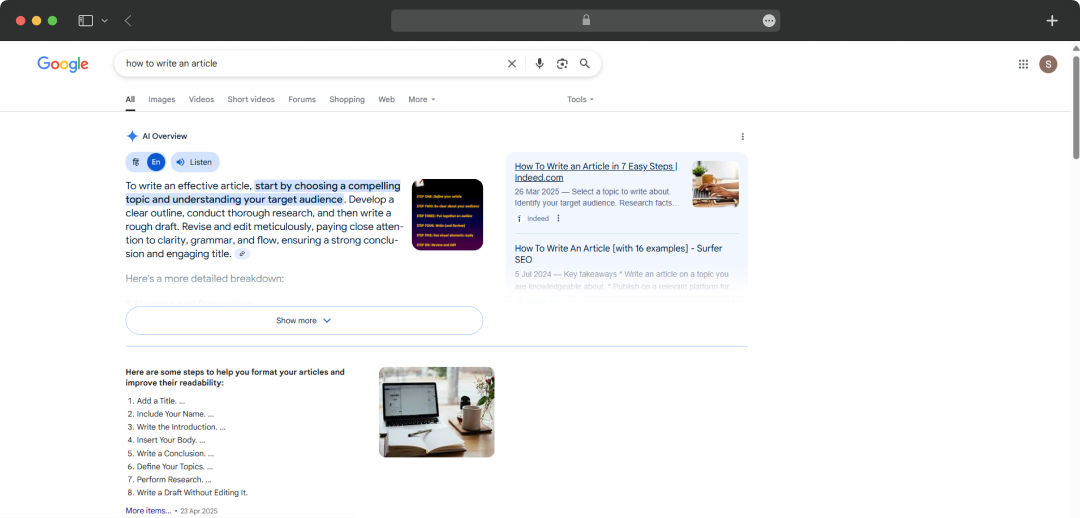
4. AI Overview
Google's AI Overview, previously Search Generative Experience (SGE), uses AI to create concise summaries from multiple sources, displayed at the top of search results. By offering thorough, conversational responses to intricate questions, this feature—which frequently includes source links—tries to lessen the need for visitors to click over to other websites. AI Overviews are a major breakthrough in zero-click searches because they provide instantaneous, rich information. This has a profound effect on traditional traffic measurements and changes the way users engage with search results.
Search Query Example: "benefits of meditation"
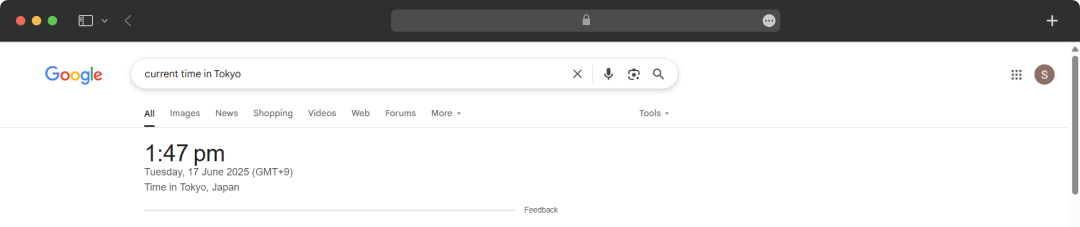
5. Direct Answer
Google's "Direct Answers" offer immediate, concise responses to simple queries like facts or conversions, often without a website link, prioritizing speed and utility. A significant evolution in zero-click searches, "AI Overviews" combine text, visuals, and interactive features to provide comprehensive, instant topic understanding. This AI-driven summarization often fully satisfies user needs directly on the search results page, reducing the likelihood of clicking through to external websites and profoundly impacting traditional traffic metrics.
Search Query Example: "current time in Tokyo"
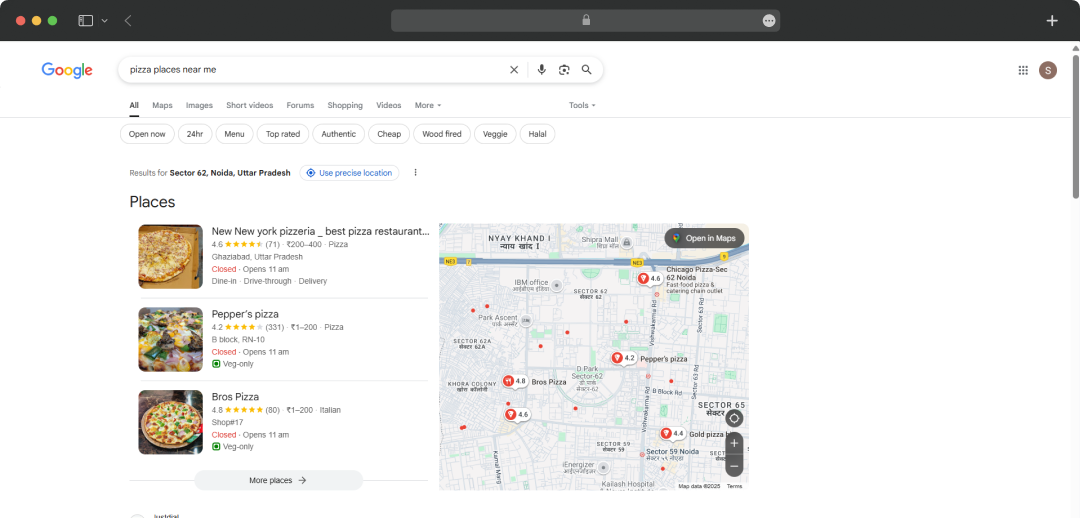
6. Google Maps
The technology cleverly shows a Google Map and a "local pack" of companies directly on the SERP when you conduct a local Google search. Delivering vital information like company names, locations, phone numbers, operating hours, customer reviews, and even direct click-to-call or direction buttons, this robust feature is the foundation of zero-click marketing. Without ever visiting a different website, customers can quickly identify pertinent companies and make judgments. Businesses with optimized Google Business Profiles greatly increase their prominence in these highly visible local results, which immediately affects local foot traffic and queries, even though it may not always result in a website click.
Search Query Example: "pizza places near me"
The Impact on Your SEO Strategy: Why Traditional Methods Aren't Enough
For years, the SEO playbook was straightforward: rank high, get clicks, drive traffic.
But with an increasing percentage of searches ending without a single click to an external website, we're forced to confront a new reality. How do you capture value when the user never leaves Google? This pivotal change demands a sophisticated, nuanced approach that goes beyond mere rankings.
Here's how zero-click searches are reshaping SEO, and why older tactics fall short:
1. Redefining "Success" Beyond the Click
The most immediate impact of zero-click SEO is the re-evaluation of what constitutes a "win." While direct website traffic remains important for conversions, brand visibility on the SERP now holds immense intrinsic value. If your brand consistently appears in prominent zero-click features, it builds trust and establishes authority, even if a user doesn't click through immediately. It’s about becoming the recognized answer, even if that answer is consumed right on Google.
2. The Enhanced Role of EEAT (Experience, Expertise, Authoritativeness, Trustworthiness)
When Google is confident enough to extract and display information directly, it relies heavily on the quality and credibility of the source. This is where EEAT truly shines.
- Expertise and Authoritativeness: For your content to be chosen for a Featured Snippet or an AI Overview, it must clearly demonstrate deep expertise and be written by an authoritative source. Generic, superficial content simply won't cut it. Google's algorithms are increasingly adept at identifying thought leaders and verified experts.
- Trustworthiness: Are your facts supported by proof and thoroughly researched? Is your website well-maintained and safe? On-page and off-page trust signals are important because they provide Google the confidence to directly showcase your content. This entails making investments in reputable sources, preserving a solid internet reputation, and guaranteeing technical soundness.
3. From Keywords to Intent-Based Content Creation
Simply stuffing keywords into content is a relic of the past. The goal now is to precisely answer specific user questions and fulfill their intent directly. This requires:
- Direct Answers: You should start your content by creating succinct, understandable responses to frequently asked topics. Consider how you would respond to a question in a single sentence or two.
- Structured Data: By using schema markup (such as FAQ, HowTo, or local business schema), search engines are better able to comprehend the context and organization of your material, which facilitates the extraction of pertinent snippets and their display in rich results.
- Long-Tail Query Focus: Longer, more focused queries often result in zero-click results. You can increase your chances of showing up in PAA boxes or Featured Snippets by optimizing for these conversational questions.
- Mobile-First, Answer-First: The need for quick responses is greater than ever as voice search and mobile devices now account for the bulk of queries. Mobile device users are excellent candidates for zero-click interactions since they frequently seek out quick information or directions. This also applies to mobile app SEO, where a user's requirement can be met by app content or direct app results instead of a conventional web click. Your content needs to be organized and presented in a way that voice and virtual assistants, as well as small screens, can readily understand it.
4. Diversifying Your Value Proposition
If the answer is on the SERP, why should a user click through? Your content needs to offer something more. This could be:
- In-depth analysis that couldn't be summarized.
- Calculators or interactive tools.
- Distinctive viewpoints, original studies, or confidential information
- A compelling brand story or a strong community. The click becomes a choice to engage with deeper value, not just to find basic information.

Mastering Zero-Click Searches: Strategies for Dominance
The zero-click revolution has fundamentally changed how users consume information.Search results pages are providing them with immediate answers rather than requiring them to browse through to websites. This change necessitates a systematic reworking of your SEO strategy, with an emphasis on authority and exposure instead of click-through numbers.
Strategy 1: Optimize for Featured Snippets – The Holy Grail of Zero-Click
Featured snippets occupy the coveted "position zero" and capture 35.1% of clicks when present. Winning these prime real estate spots requires surgical precision in content optimization.
1. Identify Snippet Opportunities
Your snippet strategy begins with smart reconnaissance. Target question-based queries that trigger featured snippets—typically "how to," "what is," "why does," and "when should" phrases. Competitor analysis reveals gaps in snippet coverage, while tools like SEMrush's Position Tracking feature specifically identifies snippet opportunities you're missing.
Pro tip: Look for keywords ranking positions 2-10 with existing snippets. These represent your best opportunities to steal snippet real estate from competitors.
2. Content Structuring for Snippets
Structure beats substance when it comes to snippet optimization. Search engines favor content that follows predictable patterns:
- Paragraph snippets: Answer the core question within the first 40-60 words.
- List snippets: Use numbered lists for processes, bullet points for features.
- Table snippets: Present comparative data in clean, scannable formats.
The magic formula? Lead with the answer, then expand with supporting details. This inverse pyramid approach satisfies both snippet algorithms and user intent.
3. On-Page SEO Best Practices
There’s no denying that technical excellence can amplify the content quality. Pages earning snippets typically load under 2 seconds, contain 1,200+ words, and demonstrate topical authority through comprehensive coverage. While natural keyword integration preserves readability without going overboard with optimization, internal linkage between related topics indicates knowledge.
2. Strategy 2: Leverage Structured Data (Schema Markup) for Enhanced SERP Presence
You can communicate directly with search engines by using schema markup, which gives them context that is difficult for algorithms to deduce from content alone.
1. Understanding Schema's Zero-Click Impact
Schema can be thought of as the metadata that turns your content into interactive, rich SERP elements. It significantly raises your chances of obtaining more visibility through rich results, but it does not ensure featured snippets.
2. Key Schema Types for Zero-Click Dominance
| Schema Type | Primary Benefit | Implementation Focus |
|---|---|---|
| FAQPage | Powers PAA sections | Structure Q&A content clearly |
| HowTo | Triggers step-by-step rich results | Use numbered processes |
| Article | Enhances news and blog visibility | Include publish dates and authors |
| Product | Drives shopping results | Add pricing and review data |
| LocalBusiness | Fuels Knowledge Panels | Maintain NAP consistency |
3. Implementation Best Practices
- Accuracy over Quantity: When implementing schema markup, prioritize precision and correctness over simply adding a lot of code. An incorrect or irrelevant schema can do more harm than good.
- Validate Your Markup: Always use Google's Rich Results Test tool to thoroughly validate your schema markup before deploying it live on your website. This ensures it's correctly interpreted by search engines.
- Relevance is Key: Focus on using schema types that directly align with and support the content on your page. For example, a Recipe schema is beneficial for a recipe page, but it would be entirely unhelpful and irrelevant for a financial services page.
Strategy 3: Dominate "People Also Ask" (PAA) Sections
PAA boxes appear in 43% of searches and represent untapped traffic goldmines. Each PAA trigger expands to reveal more questions, creating exponential visibility opportunities.
1. Research PAA Questions Strategically
Start with your primary keyword and document every PAA question that appears. Tools like AnswerThePublic and AlsoAsked.com reveal question clusters around your topics. The goal isn't answering every possible question—it's identifying the questions your audience actually asks.
2. Create Dedicated Content Sections
Transform PAA insights into content architecture. Dedicate H2 or H3 sections to popular PAA questions, providing concise 2-3 sentence answers followed by detailed explanations. This dual approach satisfies both snippet algorithms and users seeking comprehensive information.
3. Internal Linking Strategy
Connect related PAA answers through strategic internal linking. When discussing "how to optimize for voice search," link to your section on "why voice search affects SEO." This creates topical clusters that demonstrate expertise across related queries.
Strategy 4: Optimize for Local SEO and Google My Business (GMB)
Local searches generate immediate zero-click answers through Knowledge Panels and Local Pack results. GMB optimization isn't just for brick-and-mortar businesses—it's essential for any brand wanting to control their Knowledge Panel narrative.
1. GMB Optimization Essentials
Complete profiles earn 70% more location actions than incomplete ones. Your optimization checklist includes:
- Accurate NAP data across all directories.
- High-quality photos updated monthly.
- Regular posting about offers, events, and updates.
- Review management with professional responses.
- Q&A section populated with common questions.
2. Local Citations and Consistency
Search engines cross-reference your GMB data with citations across the web. Inconsistencies create confusion and dilute authority. Maintain identical business information across directories, focusing on major platforms like Yelp, Yellow Pages, and industry-specific directories.
Strategy 5: Develop a Robust Content Strategy Focused on Intent and Value
Zero-click optimization succeeds when content strategy aligns with user intent. Understanding what users truly want—not just what they search for—drives content decisions that earn prominent SERP placement.
1. Understanding User Intent Deeply
Intent analysis goes beyond traditional informational/transactional categories. Consider micro-intents within broader searches:
- Immediate needs: "store hours near me".
- Comparison shopping: "iPhone vs Samsung camera".
- Problem-solving: "why won't my car start".
- Learning: "how photosynthesis works".
2. Create Comprehensive, Authoritative Content
Superficial content loses the zero-click battle. Aim for definitive coverage that eliminates the need for additional searches. This means addressing:
- Primary questions and follow-up queries.
- Common misconceptions and clarifications.
- Related topics and context.
- Practical applications and examples.
3. Embrace Multiple Content Formats
Diversified content formats capture different SERP features and learning preferences:
- Text-based content for traditional snippets.
- Video content for video carousels.
- Images and infographics for image packs.
- Data visualizations for rich results.
Strategy 6: Embrace Voice Search Optimization
Voice search queries are inherently zero-click experiences. Users ask questions and expect immediate spoken answers, making voice optimization critical for future-proofing your zero-click strategy.
1. Voice Search and Zero-Click Connection
Voice queries are conversational, longer, and question-based—exactly the queries that trigger featured snippets and direct answers. Optimizing for voice naturally improves your zero-click performance across all search interfaces.
2. Voice Optimization Tactics
Conversational Content: Write how people speak, not how they type. "What's the best way to remove wine stains?" instead of "wine stain removal methods."
Long-tail Focus: Target specific, conversational phrases rather than broad keywords. Voice users ask complete questions, not fragmented keyword strings.
Local Integration: Voice searches are 3x more likely to be local. Include location-specific information even for non-local businesses to capture "near me" variations.
Quick Answers: Provide immediate value within the first few sentences. Voice assistants typically read the first 29 words of featured snippets as answers.
The zero-click landscape rewards brands that prioritize user value over traditional metrics. By implementing these app engagement strategies systematically, you transform zero-click from a threat to a competitive advantage, capturing attention, building authority, and driving business results even when users never leave the search results page.
Case Studies and Success Stories: Players Who Are Winning Big
Theory transforms into results when executed correctly. These real-world examples demonstrate how forward-thinking brands turned zero-click challenges into competitive advantages, proving that strategic adaptation creates opportunity from disruption. The following case studies reveal specific tactics, measurable outcomes, and actionable insights you can apply immediately.
Case Study 1: HubSpot's Featured Snippet Domination
1. Challenge
HubSpot faced declining organic click-through rates as zero-click content began dominating marketing-related searches.
2. Strategy
Instead of fighting the trend, HubSpot restructured its content strategy around snippet optimization. They analyzed over 10,000 marketing queries and identified 847 snippet opportunities where competitors held weak positions.
3. Tactics Implemented
- Created "definition hubs" targeting "what is" queries in marketing.
- Restructured existing content with concise opening paragraphs.
- Developed comprehensive FAQ sections addressing People Also Ask queries.
- Implemented HowTo schema markup for process-based content.
4. Results:
- 312% increase in featured snippet captures within 8 months.
- 156% boost in brand mention volume across social platforms.
- 89% improvement in brand authority scores via third-party tools.
- $2.3M attributed revenue from leads mentioning HubSpot as their "trusted source".
5. Key Lesson
Visibility through snippets builds brand authority faster than traditional click-through traffic, creating a halo effect across all marketing channels.
Case Study 2: Moz's Knowledge Panel Strategy
1. Challenge
Moz needed to establish thought leadership in an increasingly crowded SEO education space.
2. Strategy
Moz focused on owning knowledge panels and entity-based search results rather than competing solely for traditional rankings.
3. Execution Framework
- Optimized company schema markup across all digital properties.
- Created comprehensive topic clusters around core SEO concepts.
- Established consistent NAP data across 200+ industry directories.
- Developed strategic partnerships with authoritative publications.
4. Measurable Outcomes
| Metric | Before | After | Improvement |
|---|---|---|---|
| Knowledge Panel Appearance | 23% | 78% | +239% |
| Brand Search Volume | 12,400/month | 31,200/month | +152% |
| Speaking Opportunities | 8/year | 34/year | +325% |
| Partnership Inquiries | 3/month | 19/month | +533% |
5. Strategic Insight
Knowledge panel dominance creates a compound effect—visibility drives recognition, recognition drives opportunities, and opportunities drive growth.
How to Target Zero-Click Searches
Targeting zero-click searches requires precision over volume—identifying the exact queries that trigger featured snippets, knowledge panels, and direct answers. Success depends on understanding user intent patterns and optimizing content specifically for search engine extraction rather than traditional click-through behavior. Master these tactical approaches to capture valuable search real estate before competitors realize what they're missing.
1. Keyword Research and Selection
- Focus on question-based queries - Target "how to," "what is," "why does," and "when should" phrases that commonly trigger featured snippets and direct answers.
- Analyze competitor snippet ownership - Identify keywords where competitors hold weak snippet positions, creating opportunities for displacement.
- Target long-tail conversational phrases - AI search engines favor natural language queries that match how users actually speak and think
- Prioritize high-volume, low-competition questions - Use tools like AnswerThePublic to find question clusters with strong search volume but minimal snippet optimization.
- Research People Also Ask expansions - Mine PAA boxes for related questions that expand your topical authority and capture additional zero-click real estate.
2. Content Optimization Strategies
- Structure content for answer engine optimization - Lead with direct answers in the first 40-60 words, then expand with supporting details using the inverted pyramid approach.
- Create comprehensive FAQ sections - Address multiple related questions within a single page to capture various PAA opportunities and build topical clusters.
- Use clear heading hierarchies - Implement proper H2/H3 structure that makes it easy for algorithms to identify and extract specific answers from your content.
- Optimize for multiple snippet types - Format content to win paragraph snippets (definitions), list snippets (processes), and table snippets (comparisons) depending on query intent
- Implement strategic internal linking - Connect related answers to demonstrate expertise breadth and keep users engaged within your content ecosystem.
3. Technical Implementation
- Deploy schema markup strategically - Implement FAQPage, HowTo, and Article schemas to help search engines understand and display your content in rich results.
- Optimize page loading speed - Ensure sub-2-second load times, as faster pages have higher snippet selection rates and better overall search performance.
- Mobile-first content design - Structure content for mobile consumption since mobile queries drive the majority of voice and zero-click searches.
- Create XML sitemaps for Q&A content - Help search engines discover and index your question-based content more efficiently through targeted sitemap organization.
- Monitor Core Web Vitals - Maintain excellent user experience metrics that influence search engines' willingness to feature your content prominently.
4. Measurement and Iteration
- Track impression share growth - Monitor increases in search impressions even when clicks decline, indicating successful zero-click capture.
- Measure snippet win rates - Calculate the percentage of target keywords where you own featured snippets or other SERP features.
- Analyze brand mention velocity - Track increases in unlinked brand mentions and social discussions triggered by search visibility.
- Monitor voice search performance - Use specialized tools to track rankings for conversational queries that drive voice search results.
- Set up competitive intelligence alerts - Receive notifications when competitors gain or lose snippet positions, creating optimization opportunities for your content.
Common Pitfalls and How to Avoid Them
Even experienced marketers stumble when transitioning to zero-click optimization, often applying outdated strategies that backfire in the new search landscape. These critical mistakes can derail months of effort and hand competitive advantages directly to rivals. Recognizing and avoiding these pitfalls separates successful zero-click SEO campaigns from costly failures.
Pitfall 1: Obsessing Over Click-Through Rates
Many marketers panic when they see declining click-through rates, abandoning effective zero-click strategies just as they begin showing results. This knee-jerk reaction ignores the fundamental shift in how users consume information and how search engines deliver value. Traditional CTR metrics become misleading when your content successfully answers user queries without requiring website visits.
How to Avoid:
- Track impression share and search visibility instead of CTR
- Monitor brand mention growth and direct traffic increases
- Measure assisted conversions and multi-touch attribution
- Focus on revenue per impression rather than revenue per click
- Set realistic expectations for CTR decline during zero-click optimization
Pitfall 2: Ignoring User Intent Behind Queries
Content creators often optimize for keywords without understanding what users actually want to accomplish. This leads to snippet-optimized content that captures featured snippets but fails to satisfy user intent, resulting in poor user signals that eventually hurt rankings. Search engines prioritize content that genuinely resolves user queries over content that merely follows optimization formulas.
How to Avoid:
- Analyze search results manually to understand what Google considers relevant
- Study People Also Ask questions for intent clarification
- Create content that addresses follow-up questions users might have
- Test content with real users before publishing
- Monitor user engagement signals through analytics
Pitfall 3: Over-Optimizing Content Structure
Aggressive snippet optimization can make content robotic and unreadable, harming both user experience and search engine evaluation. When every paragraph follows the same 40-word answer format, content loses natural flow and fails to demonstrate expertise. Search engines increasingly favor content that balances optimization with genuine value delivery.
How to Avoid:
- Vary content structure while maintaining snippet-friendly sections
- Write naturally first, then optimize specific sections for features
- Include comprehensive explanations after concise answers
- Maintain a conversational tone throughout optimization
- Test content readability with actual users
Pitfall 4: Neglecting Local Search Opportunities
Businesses focus heavily on national snippet optimization while missing lucrative local zero-click opportunities. Local searches generate immediate business value through phone calls, directions, and store visits, making them more valuable than broad informational queries. An effective local SEO strategy must account for local knowledge panels, map packs, and location-based featured snippets.
How to Avoid:
- Optimize Google My Business profiles completely
- Create location-specific FAQ sections
- Target "near me" query variations
- Maintain consistent NAP data across all platforms
- Generate location-based schema markup
Pitfall 5: Ignoring Schema Markup Implementation
Many marketers treat schema markup as optional, missing opportunities to communicate directly with search engines about content structure and meaning. Proper schema implementation significantly increases the chances of earning rich results and enhanced SERP features. Without schema markup, even perfectly optimized content may be overlooked by search algorithms seeking structured data.
How to Avoid:
- Implement relevant schema types for all content
- Use Google's Structured Data Testing Tool regularly
- Monitor rich results performance in Search Console
- Update schema markup when content changes
- Focus on accuracy over quantity in markup implementation
Pitfall 6: Copying Competitor Strategies Without Context
Blindly replicating successful competitors' tactics without understanding their specific circumstances leads to wasted effort and missed opportunities. Each brand's authority level, content history, and competitive landscape create unique optimization requirements. What works for established brands may fail for newer companies, while niche players can succeed where larger competitors struggle.
How to Avoid:
- Analyze why competitor strategies work for them specifically
- Identify gaps in competitor coverage rather than copying strengths
- Test strategies on a smaller scale before full implementation
- Adapt tactics to match your brand's authority level
- Focus on unique value propositions competitors can't replicate
Pitfall 7: Expecting Immediate Results
Zero-click optimization requires patience as search engines evaluate content authority and user satisfaction over time. Rushing to change strategies before allowing sufficient testing periods prevents proper strategy evaluation and leads to constant tactical shifts that confuse both users and algorithms. Successful zero-click campaigns often take 3-6 months to show meaningful results.
How to Avoid:
- Set realistic timelines for strategy implementation
- Track leading indicators like impression growth early
- Maintain consistent optimization efforts over time
- Document changes to correlate with performance shifts
- Resist the urge to abandon strategies during normal fluctuations
Pitfall 8: Forgetting About E-A-T Signals
Content optimization efforts often focus on technical factors while neglecting expertise, authoritativeness, and trustworthiness signals that search engines use to evaluate snippet-worthy content. Without strong E-A-T signals, even perfectly formatted content may be passed over for featured snippets in favor of more authoritative sources.
How to Avoid:
- Include author bylines and credentials on all content
- Build authoritative backlinks from industry publications
- Maintain a consistent publishing schedule to demonstrate expertise
- Update content regularly to show ongoing authority
- Engage with industry communities and thought leaders
The Future of Search and Adapting Continuously
What’s next for search, and how can you stay ahead? The landscape of zero-click searches is evolving rapidly, demanding constant adaptation. Here’s how to prepare for the future of search with smart, user-focused strategies.
1. Continued Evolution of SERP Features
As part of its goal to deliver the best results as fast as possible, Google will continue to change the SERP. Google will continue to experiment with new methods of directly presenting information, deeper interactive aspects, and even more integrated features. For instance, AI Overviews already appear in a significant portion of US desktop searches, hitting 13.14% in March 2026, up from 6.49% in January. This ongoing improvement calls for an SEO approach that places a high value on adaptability and ongoing observation of the effects of new features on user behavior and visibility.
2. AI and Machine Learning's Role
A large portion of this change is being propelled by machine learning and artificial intelligence. Artificial intelligence (AI) systems are becoming better at comprehending natural language, figuring out human intent, and even creating summaries of content. Google's use of AI, such as with Gemini's frontier capabilities in AI Mode, points to a more conversational and tailored search experience in the future. As of January 2026, Google search results included 19% AI-generated content, highlighting AI's increasing role in shaping what users see.
3. Importance of Adaptability
SEO is a field that is always evolving; it is anything but static. New SERP features, algorithm changes, and changing user behavior necessitate ongoing research and development. Companies that continue to use antiquated tactics run the danger of becoming unnoticed. Adaptability in SEO means embracing agile methodologies, constantly testing new approaches, and being prepared to pivot quickly based on performance data and emerging marketing trends. This proactive mindset is what separates leading brands from those left behind.
4. Focus on User Experience (UX)
At its core, Google's evolution is driven by a desire to provide an unparalleled user experience. This means ensuring that whether a user gets their answer directly on the SERP (through zero-click searches) or chooses to click through to your site, their journey is seamless and satisfying. Fast loading times, intuitive navigation, mobile responsiveness, and high-quality, relevant content are no longer just ranking factors—they are fundamental to retaining user attention and building brand loyalty in a competitive landscape.
Conclusion: Seizing Dominance in the Zero-Click Landscape
The zero-click searches phenomenon is undeniable. To thrive in this evolving landscape, businesses must rethink traditional SEO.
Here's how to seize dominance:
- Give priority to direct responses: Provide succinct, insightful material that responds to queries right away in the SERP.
- Accept the features of SERPs: Make sure to optimize for Knowledge Panels, People Also Ask boxes, and prominent snippets.
- Become an expert in local SEO: For local zero-click success, make sure your Google Business Profile is flawless.
- Pay attention to brand authority: Make your brand the go-to information source by increasing visibility and trust.
You can make sure your brand stays visible and authoritative even in the absence of a click by modifying your approach to offer instant value.
Frequently Asked Questions
What is a zero-click strategy?
Zero-click strategy has the goal of removing the need for every user to navigate throughout websites by giving quick responses straight from the SERPs. To provide immediate value and increase brand visibility without requiring a typical website visit, it places a high priority on showing up in features like snippets, Knowledge Panels, and local packs.
What is zero-click traffic?
When users find the information they need on the search results page without clicking on any links to other websites, this is referred to as zero-click traffic. This happens when search engines provide thorough responses, definitions, or company information, immediately answering the user's question and eliminating the need for more navigation.
How to use a zero-click search strategy?
To effectively implement a zero-click search strategy:
- Provide succinct, straightforward responses to frequently asked queries to optimize for featured snippets.
- Improve your Google Business Profile so that it appears prominently in maps and local packs.
- Make use of schema markup (FAQPage, HowTo) to make your content more visible in rich results.
- Make material that is appropriate for People Also Ask sections by directly addressing user intent.
How to measure success in a zero-click environment?
Measuring success in a zero-click environment requires shifting focus beyond traditional website clicks:
- Track visibility and impressions in SERP elements such as Knowledge Panels and highlighted snippets.
- Keep track of direct SERP activities, including map instructions or calls from local listings.
- To determine authority and awareness, examine brand mentions and your website's general presence.
- Use interactive SERP features, such as increasing "People Also Ask" sections, to gauge user participation.
How do zero-click searches affect SEO?
Zero-click searches significantly alter traditional SEO by:
- Lowering website click-through rates (CTRs) since consumers can get the solutions right in the search engine results page.
- Stressing the significance of showing up in SERP features (local packs, PAA, and snippets).
- Reorienting attention from increasing website traffic to optimizing visibility and providing straight information.
- Highlighting the need for precise, concise content optimized for direct answers.

Uncover executable insights, extensive research, and expert opinions in one place.
Related Content