Share It On:
 Get a comprehensive understanding of AI in gamification. And learn how it can transform your user engagement.
Did you know that the average human attention span is as low as just 8.25 seconds? What's more striking is that the majority of users abandon mobile apps within a month of downloading them, underscoring the challenge of sustaining engagement in our increasingly saturated digital landscape.
For years, the strategic integration of game design elements, such as points, badges, and leaderboards, has been implemented by UI UX design companies, yielding solid results through the application of gamification. But what if this strategic approach could become more intelligent, personalized, and effective? This is precisely where AI is used in UI UX design trends, marking a breakthrough move.
You can take Duolingo, for instance; their AI-powered gamification system resulted in a boost in users spending more time on the platform compared to traditional language learning apps. That’s because AI didn't just reward progress; it predicted when users are likely to quit and intervenes with personalized challenges and encouragement.
In this comprehensive guide, I will help you learn how AI in gamification is boosting engagement, its benefits, and other advantages it offers over traditional methods.
Buckle up and let’s get started!
Why AI-Powered Gamification Outperforms Traditional Methods?
The traditional gamification approach initially yielded results, but it eventually dropped off in progress. That’s because everyone started to receive the same experience, regardless of their behavior or engagement patterns.
Users typically lose interest in gamified applications within a short time, primarily because the experience remains predictably static. For example, let’s look at a typical fitness app with standard gamification: complete 10,000 steps to earn 100 points and unlock a "Daily Walker" badge.
This might work initially, but it doesn't account for users recovering from injury, athletes training for a marathon, or busy parents who can only manage 5,000 steps on weekdays. The system treats everyone identically, leading to frustration and abandonment.
| Aspects | Traditional Gamification | AI-Powered Gamification |
|---|---|---|
| Personalization | Offers a one-size-fits-all approach with static challenges and rewards. | Dynamically adapts challenges, rewards, and content based on individual user data, preferences, and performance. |
| Adaptability | Game mechanics and progression paths are predetermined and don't change based on user interaction. | Utilizes machine learning to adjust difficulty, provide real-time feedback, and optimize learning paths or tasks as the user progresses. |
| Engagement | Relies on predefined rules (e.g., earn 10 points for completing a task). Can lead to plateaued engagement over time. | Analyzes user behavior to predict needs and offer relevant, timely interventions or challenges, sustaining long-term engagement. |
| Content Generation | Game elements, questions, and narrative components are manually created by designers or educators. | AI can generate new challenges, quiz questions, scenarios, or even personalized narratives, significantly reducing manual effort. |
| Feedback & Insights | Provides general feedback (e.g., "Correct!" or a score). Analytics are often retrospective and broad. | Offers highly specific, adaptive feedback. Provides deeper insights into user behavior, motivations, and performance patterns for continuous optimization. |
How AI Transforms the Gamification Experience?
AI-powered gamification operates more like a skilled personal trainer, adapting its approach based on your progress, mood, and circumstances. Here, machine learning algorithms analyze user behavior patterns, engagement levels, and performance metrics to create dynamic, personalized experiences that evolve in real-time. Let’s examine other ways in which AI enhances the gamification experience.
1. Predictive Intervention vs. Reactive Response
Traditional gamification is reactive. It responds after users complete actions. AI-powered systems are predictive, identifying when users are likely to disengage before it happens. For example, Spotify's AI predicts user engagement and retention by analyzing patterns in listening behavior. For instance, it identifies when a user is likely to disengage and can adjust recommendations or notifications to re-engage them.
2. Real-Time Optimization
Perhaps the most significant advantage is AI's ability to optimize in real-time, a feature increasingly being perfected by artificial intelligence companies focusing on dynamic user engagement. Traditional systems require months of A/B testing to determine if a point system or badge design is effective. AI systems can test thousands of micro-variations in a short amount of time and implement the most effective combinations within hours.
3. Data-Driven Insights vs. Assumption-Based Design
Traditional gamification often relies on assumptions about what motivates users. AI-powered systems generate actionable insights from actual behavior data. These systems can identify that users engage more when they receive recognition from peers rather than system-generated rewards, or that micro-challenges during lunch hours drive higher completion rates than evening sessions.
4. Compound Effect
Traditional gamification is like a static puzzle. Once users figure out the pattern (complete a task, earn points, and get a badge), they tend to lose interest. The system can't change or adapt, so engagement naturally declines after a few months.
AI-powered gamification works differently. Every time a user interacts with the system, it learns something new about their preferences and behavior. This data helps the AI adjust the experience to be more engaging for that specific user.

Top Benefits of AI in Gamification
Wondering what benefits Artificial Intelligence can give you in gamification? Here’s a quick glance at it:
1. Increased Engagement and Motivation
AI can create personalized, adaptive experiences that keep users engaged and motivated. For example, platforms like Duolingo use AI to tailor learning paths to individual users. This kind of customization motivates users to continue because they feel the experience is made just for them. As a result, their motivation to proceed further and keep themselves engaged with the platform continues.
2. Improved Retention Rates
When AI personalizes the gamified experience, users are more likely to stay engaged, resulting in higher retention rates. Because when people feel their needs are understood and the content is relevant, they’re more inclined to return.This results in an overall increase in the platform’s revenue.
3. Cost-Effective Scalability
Another aspect I find incredibly valuable is AI gamification’s ability to automate content generation, performance tracking, and user feedback. This makes scaling gamified solutions much more cost-effective. Businesses can now expand their reach without a proportional increase in resources, making this approach both efficient and budget-friendly.
4. Data-Driven Insights
Gamification with AI generates a wealth of data that enables businesses to understand user behavior and preferences. With real-time analytics, businesses can continually refine their gamification strategies, ensuring the content remains fresh and engaging for users.
5. Real-Time Adaptation
AI in gamification can adjust game elements in real-time. It can adjust difficulty levels or offer personalized challenges, keeping the user experience balanced and engaging. This real-time adaptation prevents frustration and keeps users hooked, which is crucial for maintaining long-term engagement.
6. Improved User Experience through Instant Feedback
AI is also great at providing instant, actionable feedback. In gamified learning environments, this means that users receive immediate feedback that helps them correct mistakes or reinforce positive actions. This feedback accelerates the learning process, making the experience more rewarding and effective.
7. Predictive Analytics for Engagement
Ultimately, one of the most significant advantages of AI in gamification is its ability to predict user behavior accurately. It works by analysing patterns and anticipating what content or challenges will resonate best with users. This predictive capability enables businesses to design experiences that are engaging from the start, resulting in higher levels of satisfaction and long-term retention.
Top Industries for AI Gamification
Artificial Intelligence (AI) is revolutionizing gamification across various sectors. Let's explore:
1. Education
AI-powered gamification is transforming educational experiences by providing personalized learning pathways and real-time feedback. The global game-based learning market was valued at USD 16.16 billion in 2023 and is projected to grow at a compound annual growth rate (CAGR) of 22.0% from 2024 to 2030. This growth is driven by the increasing demand for interactive and immersive learning experiences in top-notch learning applications, facilitated by AI technologies.
2. Healthcare
In healthcare, gamification with AI is being utilized to promote healthy behaviors, enhance patient engagement, and improve chronic disease management. The global healthcare gamification market was estimated at USD 4.65 billion in 2024 and is expected to expand at a CAGR of 23.0% from 2026 to 2030. AI in gamification has significantly contributed to this growth through personalized fitness challenges, medication adherence reminders, and virtual health coaching.
3. Retail and E-commerce
Retailers are leveraging AI and gamification to enhance customer engagement and loyalty. AI algorithms analyze customer behavior to create personalized shopping experiences, while gamified elements, such as rewards and challenges, increase user interaction.
4. Corporate Training and Development
Companies are adopting AI-driven gamification to boost employee engagement and performance. AI tailors training modules to individual learning styles and progress, making learning more effective and enjoyable. This personalized approach leads to better retention and application of skills.
Also read: Gamification & How to Use it in Education Mobile App Development.
Top AI Frameworks for Gamification Development
We have observed that the true mastery of AI in UX design lies not merely in ideas but in the tools that bring these ideas to life. In this space, several frameworks stand out. Let me walk you through some of the top AI frameworks that I believe will supercharge your gamification projects.
1.TensorFlow
TensorFlow is an open-source machine learning library developed by Google. It is widely used for creating deep learning models and offers tools for both research and production. It provides extensive support for developing large-scale AI models that can efficiently process vast datasets. TensorFlow's ability to handle complex models makes it suitable for creating responsive UI/UX elements that adapt to user behavior, ensuring a fresh and personalized user experience.
2. PyTorch
PyTorch is a popular deep learning framework that provides flexibility and speed. It is great for experimenting and iterating on models that require real-time feedback and adaptation. With PyTorch, you can create real-time adjustments in UI elements based on user behavior.
The dynamic nature of PyTorch makes it well-suited for creating gamified interactions that adapt based on context and interaction patterns. It is also powerful for creating interactive and personalized gamification experiences, such as dynamically adjusting challenges, colors, or designs based on individual preferences.
3. Keras
Keras simplifies the process of building deep learning models compared to other frameworks, such as TensorFlow. It is known for being easy to use and quick to implement, making it a popular choice for developers seeking to create AI applications with minimal complexity.
Keras is perfect for quickly developing models that learn from user data and dynamically adapt the UI/UX design in response. You can use Keras to create personalized UI themes, navigation suggestions, and gamified elements, such as points and rewards. It also provides the ability to personalize challenges, progress bars, and visual aesthetics based on user feedback, creating an engaging experience that evolves with the user.
| AI Framework | Use Case | Complexity | Key Advantage |
|---|---|---|---|
| TensorFlow | Large-scale deep learning, adaptive UI/UX | High | Scalable, handles large datasets and complex models |
| Kesar | Quick AI model development, personalized UI | Low | Simple, easy to use for fast development |
| PyTorch | Real-time feedback, dynamic gamification | Medium | Flexible and fast for real-time adjustments |
How to Choose the Best AI Framework for Your Gamification Project
The right AI framework for your gamification project should align with your goals, resources, and expertise. Here's how I recommend you approach this essential decision to choose the best AI framework:
1. Define Your Project’s Goals and Needs
Before diving into any framework, clearly define what you want to achieve with AI frameworks. Are you focusing on personalization, adaptive learning, or real-time interactions? Your project’s objectives will help determine the right framework.
2. Evaluate Your Technical Expertise
Different AI frameworks come with varying levels of complexity. If you’re new to machine learning or want to get up and running quickly, user-friendly frameworks like Keras is a great choice. It simplifies the process, so you don’t have to worry too much about complex code and algorithms. However, if you're ready to dive deeper into more customized solutions, TensorFlow and PyTorch are powerful, but they come with a steeper learning curve.
3. Consider Scalability and Integration
Your project’s scalability and how well it integrates with your existing tech stack are critical factors. Some frameworks, such as PyTorch and TensorFlow, offer robust scaling options, particularly when working with large datasets or complex models. Most importantly, integration capabilities are often overlooked, but they can significantly impact the efficiency of your project.
4. Assess Community Support and Documentation
The support system behind the framework is crucial, particularly when you're dealing with complex AI models. TensorFlow and PyTorch boast large, active communities with extensive documentation, tutorials, and forums, making troubleshooting much easier. Suppose you need robust community support or are planning on expanding the AI’s functionality in the future. In that case, frameworks with a strong community support presence will save you a lot of time and effort.
5. Budget and Time Constraints
Finally, your project’s budget and timeline will play a significant role in framework selection. Some AI frameworks may require more initial setup, but are budget-friendly. If you’re working within a strict timeline, opt for a framework that lets you quickly build, test, and iterate, like Keras.
The powerful capabilities of frameworks like TensorFlow or PyTorch can give your gamification project a competitive edge, but they often come with higher computational and financial costs, especially when scaling.
Real-Life Examples of AI-Driven Gamification Driving Results
Here are three instances where AI's touch has elevated gamification beyond mere points and badges:
1. Duolingo
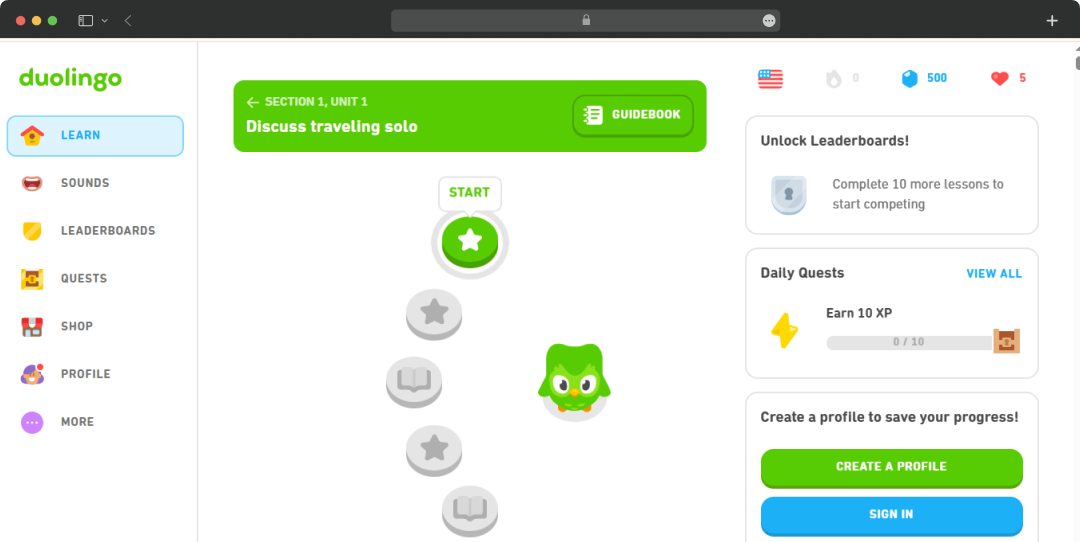
Duolingo's AI meticulously analyzes a user's learning pace and areas of difficulty in real-time, predicting when a user might disengage. It then intervenes with personalized challenges and encouragement. This AI-driven personalization leads to higher user retention, increased daily active users, and superior learning outcomes.
2. Starbucks
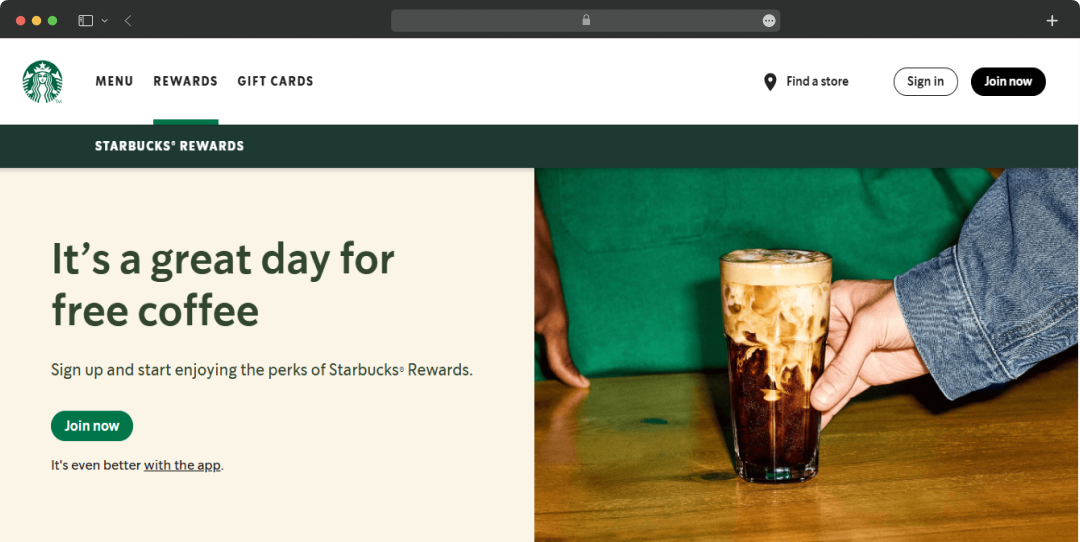
Starbucks has successfully integrated AI-powered gamification into its Rewards Program, transforming the way customers interact with the brand and enhancing their loyalty. The app tracks individual customer preferences, purchase history, and behaviors to offer tailored rewards and personalized offers. These AI-driven elements allow Starbucks to adjust loyalty points and promotions based on a customer’s activity, motivating them to return more often and spend more per visit. Through gamification, customers can earn rewards like free drinks and discounts, creating a more engaging and enjoyable experience.
3. Nike Training Club
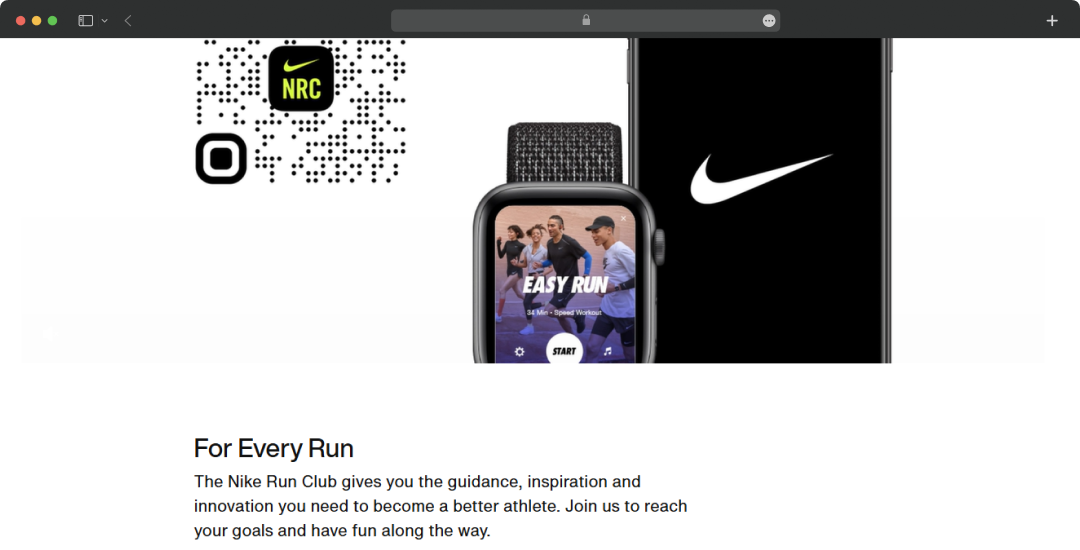
Nike Training Club leverages AI to deliver personalized fitness coaching and gamified workouts, creating a dynamic training experience tailored to individual needs. The app uses AI to recommend exercises based on the user's fitness level, goals, and preferences, ensuring that each workout is both effective and engaging. Gamification elements such as achievement badges and progress tracking keep users motivated by offering tangible rewards for milestones and consistent effort. The AI-driven adaptability of the app ensures that users receive challenges suited to their progress, leading to enhanced motivation and improved results.
What is the typical ROI for AI-powered gamification?
AI-powered gamification is rapidly becoming a strategic investment across various industries, delivering measurable returns in terms of employee productivity, customer engagement, and learning outcomes. Here's an overview of the typical ROI and supporting data from leading market research sources.
1. Enterprise & Employee Engagement
Organizations implementing gamified AI solutions have reported significant improvements in employee performance and retention.
- Freshdesk saw a 1,000% increase in revenue within the first year of launching a gamified customer support platform.
- Domino’s Pizza enhanced its recruitment and training processes through gamification, leading to a 30% increase in sales.
- General Electric reported a 48% increase in employee engagement and a 72% rise in motivation among workers using gamified learning systems.
2. Education & Learning Outcomes
In the education sector, AI-driven gamification has proven effective in enhancing student engagement and performance:
- The global digital education market is projected to grow from USD 19.4 billion in 2023 to USD 66.7 billion by 2028, at a CAGR of 28.0%, reflecting the increasing adoption of gamified learning solutions.
- Gamified eLearning modules have helped employees understand new processes and ways of working, with over 54% of new hires reporting high productivity after undergoing a gamified training program.
3. Marketing & Customer Engagement
Marketers are leveraging AI-powered gamification to drive customer acquisition and retention:
- 93% of marketers have adopted gamification in their campaigns, using elements like loyalty programs, contests, and interactive content to enhance customer engagement.
- Myntra, an Indian fashion e-commerce site, gamified their app to boost brand awareness and sales, leading to increased user engagement and sales during promotional campaigns.
4. Healthcare & Wellness
In healthcare, gamification has been utilized to promote patient engagement and wellness.
- The European healthcare gamification market generated a revenue of USD 863.0 million in 2022 and is expected to grow at a CAGR of 23.6% from 2023 to 2030, indicating the effectiveness of gamified health interventions.
Challenges of Implementing AI in Gamification
The path to integrating AI into gamification, while promising, is not without its intricate pitfalls and demanding requirements. Here are some of the significant challenges I've observed:
1. Data Hunger & Quality
AI thrives on vast amounts of high-quality, relevant user data. Collecting, cleaning, and structuring this information, while ensuring its ethical sourcing and integrity, is a task.
2. Ethical & Trust Concerns
As AI delves into influencing behavior, critical questions arise regarding user privacy, potential manipulation, and algorithmic bias. Building and maintaining user trust requires transparent practices and a commitment to responsible AI development.
3. High Costs & Complexity
Advanced AI, like deep learning and predictive analytics, demands significant computational power and specialized expertise. This translates to substantial infrastructure costs and intricate integration challenges, especially when scaling solutions for a heavy user base.
4. Integration & Maintenance
Weaving AI into existing platforms or building new ones requires seamless integration with diverse technologies. These AI models aren't static; they need continuous monitoring, retraining, and fine-tuning as user behaviors and data evolve, adding to long-term maintenance.
5. Balancing Control & Unpredictability
While AI excels at personalization, over-optimization can strip away the joy of genuine discovery or challenge. The art lies in balancing AI's adaptive power with the human desire for organic interaction, preventing the experience from feeling overly predictable.
Future of AI in Gamification
As we look ahead, the fusion of Artificial Intelligence (AI) and gamification is set to redefine how we engage with technology across various sectors. From education to healthcare, and retail to employee training, the integration of AI is making a paradigm shift.
In healthcare, it will enable gamified recovery programs, where patients earn rewards for following treatment plans or achieving milestones in their rehabilitation. Retail will see gamification merge with augmented reality (AR), offering users rewards for interacting with virtual products or completing in-store challenges.
In financial services, it will introduce quantum-probability investment quests where AI creates procedurally generated economic scenarios that teach complex market behaviors through immersive role-playing experiences. In urban planning will emerge as a city-building metaverse where citizens co-design their neighborhoods through AI-mediated gameplay, with Artificial Intelligence translating architectural preferences and traffic patterns from gaming interactions into actual infrastructure blueprints that evolve based on community consensus and environmental impact simulations.
Conclusion
The assimilation of AI in gamification has made UI designs for mobile apps represent a fundamental shift from static, one-size-fits-all systems to intelligent, adaptive experiences that truly understand human behavior.
The evidence is clear: companies like Duolingo, Fitbit, and Twitch aren't just seeing incremental improvements. They're witnessing transformational results. Higher retention rates, deeper engagement, and most importantly, sustained user satisfaction over time. This isn't about adding more bells and whistles; it's about creating experiences that truly understand and adapt to human behavior.
However, success in AI gamification isn't guaranteed simply by implementing the technology. It requires thoughtful consideration of your users' needs, careful selection of the right AI frameworks, and a commitment to ethical data practices. And the future? It belongs to businesses that get in touch with mobile app development companies and develop software that is interactive and can make their users feel genuinely understood and valued.
Frequently Asked Questions
What is AI in gamification?
AI in gamification integrates AI with UX design to create adaptive, personalized engagement systems. It learns user behavior, optimizes rewards, and dynamically adjusts challenges, thereby moving beyond static rules to achieve superior interaction.
How does AI gamification boost user engagement?
AI personalizes user journeys by adapting difficulty, predicting disengagement, and offering tailored rewards. This dynamic, relevant experience keeps users motivated and active, leading to significantly higher engagement and retention compared to traditional methods.
What specific AI technologies power gamification?
Key technologies include Machine Learning for behavioral prediction, Reinforcement Learning for dynamic difficulty, and NLP for conversational experiences. Recommendation systems and predictive analytics also play vital roles in personalizing challenges and rewards.
Is AI gamification difficult for businesses to implement?
Implementing AI gamification involves structured phases: establishing a data foundation, developing an AI model, ensuring seamless integration, and continuous optimization. While it requires technical expertise and a robust data infrastructure, a phased approach makes it manageable for businesses of all sizes.
How is AI gamification different from traditional gamification?
Traditional gamification uses fixed rules (e.g., points, badges). AI gamification, conversely, uses intelligence to learn from user data, creating dynamic, personalized experiences that adapt in real-time, resulting in far more effective and sustained engagement.
What are the future trends for AI in gamification?
Future trends include Generative AI for dynamic content, real-time analytics, hyperpersonalization, enhanced user engagement, and more.

Uncover executable insights, extensive research, and expert opinions in one place.
Related Content