The Story of Bunnings’ Epic Glow-Up: From Backyard Shed to Australia’s Most Trusted Brand
Australians have a weekend ritual!
Spending Saturdays lining up outside Bunnings’ warehouses and Sundays in churches.
But it’s not God’s love that we’re investigating today, it’s the love Aussies have for Bunnings. We want to understand if this love is reciprocated by the brand or a result of good marketing tactics.
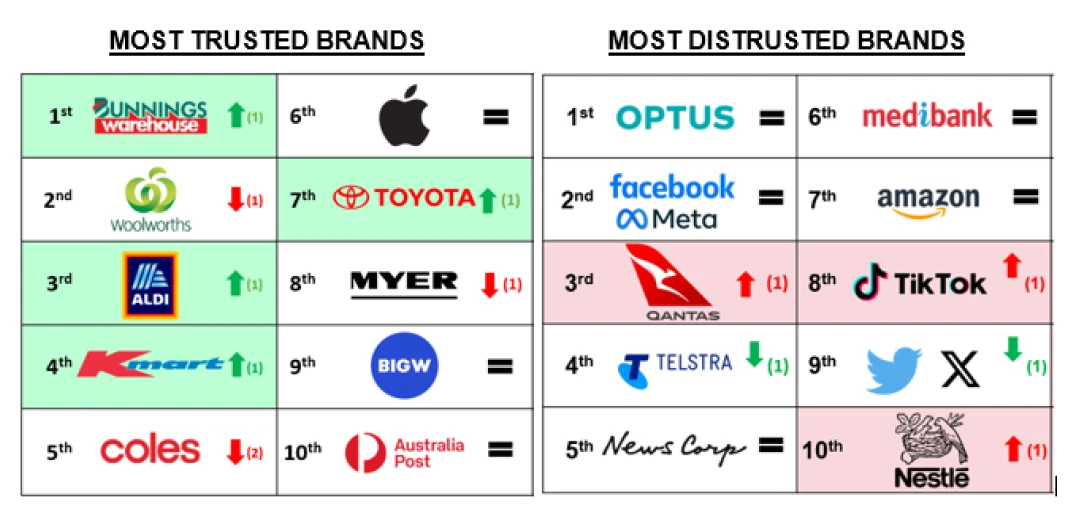
Anyhow, this love has finally pushed Bunnings to the top among the most trusted brands.
But the tale wasn’t the same a couple of years back.
Bunnings came to this point after kicking Coles and Woolworths out of the ring. Roy Morgan says Woolworths was dominating the game in late 2023, but in parallel, Bunnings has been steadily growing since October 2022.
By the end of 2023, Bunnings became the top name among the most trusted brands, followed by Aldi, Kmart, and Coles.
Right now, Bunnings exists in locations like Australia and New Zealand and leads as a retailer of lifestyle products, home improvement items, and a large supplier to project builders, commercial tradespeople, and the housing industry.
It All Began in the 1800s!
Two brothers, Arthur and Robert Bunning, reached Fremantle, Western Australia, in the winter of 1886 from East London. These two tradesmen quickly made their way to the construction work and built the new wings of a lunatic asylum and a hospital.
That project led them to secure success, and the first sawmill of the Bunning brothers came into existence.
The 1890s were the golden years of Western Australia, literally.
There was a boom in the gold market. In parallel, these brothers grew by selling timber, bricks, and other construction supplies.
Soon, they were officially out of their humble beginnings.
How Did Bunnings Make It to the Top?
Bunnings is a brand with a vast reservoir of goodwill and reputational strength fed by dramatically more trust than distrust… its trust has been climbing steadily over the past year while its minimal distrust remains fairly stable.
-Roy Morgan’s CEO, Michele Levine
Bunnings had the title of most trusted brand until 2020, when Woolworths took over. However, starting from October 2022, Bunnings started showing signs of a comeback eventually securing the trust of its Australian market entirely.
Roy Morgan’s report suggests that Woolworths slipped to the second rank by December 2023 and Bunnings took over the first position.
Roy Morgan organizes an annual market research that polls over 25,000 Australians. The goal of these polls is to identify what brands these folks trust putting over a 1,000 brands under radar.
Here’s the official synopsis of its report:
But the question is, how did Bunnings do it? How did Bunnings steadily build its reputation?
Bunnings Neighbourhood Programme has a Role
Bunnings has also focused on supporting its community through initiatives like Bunnings Neighborhood.
The program includes its customers, who get to help Bunnings operate better through feedback.
But that’s not it: there are exclusive sneak peeks and credits that Neighbourhood members earn.
Beyond Bunnings Neighborhood, there are several other community programs designed to support the local folks.
For instance:
- Bendigo Stores within the organization volunteer at Bendigo Special Development School fortnightly.
- Katoomba Store has two members of Bunnings assisting the Katoomba Rural Fire Service. These members have helped the fire department renovate their locker rooms, upgrade the station, and run occasional fundraising events.
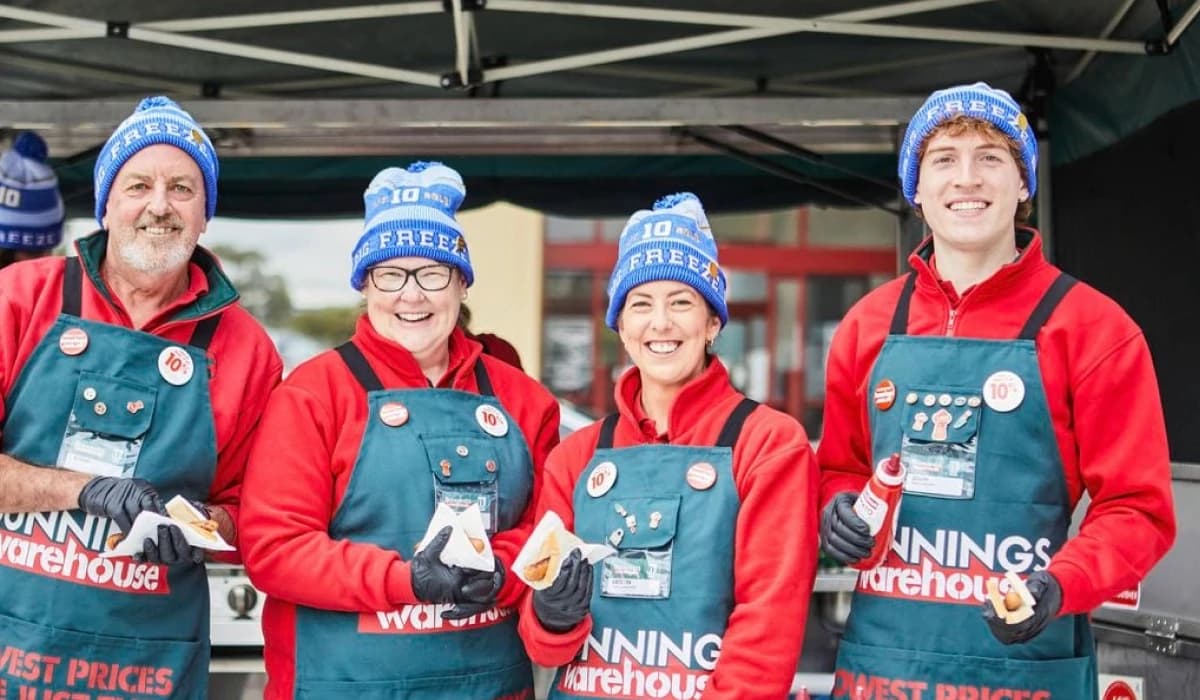
Events like Sausage Sizzles haven’t only established Bunnings as a brand that cares about the community, but have also drawn families, kids, and hobbyists towards the brand.
This shared community space triggered conversations that influenced minds and spread nothing but love for Bunnings.
The goodwill became so strong at a point that even if there were seldom complaints, those were overshadowed.
Bunnings’ Strength Lies in Its Clarity
Honestly, Bunnings’ marketing tactics are commendable. They use sharp, impactful lines that deliver the message clearly.
The brand doesn’t aim to trend-hop; instead, it sticks to its message. This not only builds customer loyalty but also makes Bunnings feel like an active member of the neighbourhood.
These messages have contributed to the rising love of Australians for Bunnings.
An example of such campaigns can be this ad.
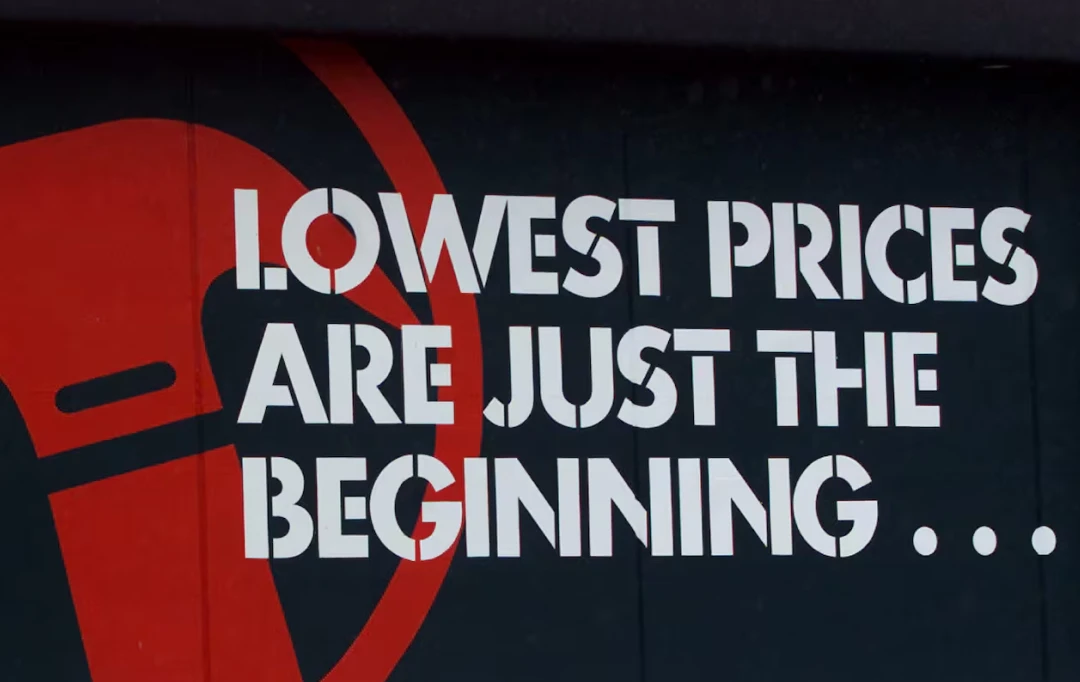
You see that clever slogan above? That’s not the only reason, but surely one of the best ones. It caught the attention of folks and stuck in the brains of those who read it.
But it wasn’t just an empty promise. Bunnings really offered a great range of home improvement products at costs that were competitive. These prices were applied on tons of products that their target customers really need.
That made them popular.
Here’s the thing about Bunnings:
Instead of throwing jargon or overly-polished ads, Bunnings kept things down-to-earth. Their advertising never drifted from the heart of the brand—simple, straightforward messaging delivered in a familiar Aussie tone. It wasn’t flashy, but it was relatable.
This approach was something tons of brands are struggling to understand.
In the Words of Australians Themselves
Roy Morgan, in its surveys, collected several commentaries endorsing the brand!
“Great customer service. Love their welcoming staff. Whether it’s nuts and bolts or a new toilet seat, they have it all value for money.”
“They employ a lot of tradies who can give worthwhile advice.”
“LOVE Bunnings one of my favourite shop’s huge variety of home care products plus the garden section I love best of all can’t resist buying something for the garden every time I visit.”
Conclusion: From Sawdust to Star
Bunnings didn’t just provide hardware; it provided trust, which helped Australians love the brand. What started as a project of two brothers was converted into a sawmill and then into a brand fueled by community love and quality staff.
With clever marketing, boots-on-the-ground community work, and a brand voice as authentically Aussie as a Sunday arvo BBQ, Bunnings didn’t just sell hardware—it built loyalty brick by brick.

By MobileAppDaily Team
MobileAppDaily host a team of experienced technical writers, industry wizards, and app experts who have an exact knack of content that caters to the needs of the mobile app targeted audience. We strive to bring you the best of tech!

Know Why Our Success Stories Get The Fastest Readership?
Because a huge chunk of our active audience belongs to entrepreneurs, business owners, and curious minds.