Date: October 06, 2025
Listen to This Article
Technical snags and design dilemmas push back what was supposed to be a 2026 launch for the ambient AI device.
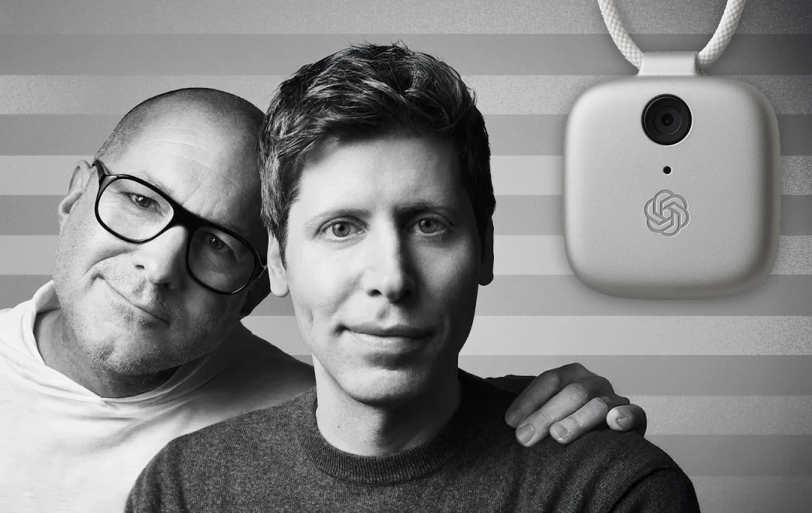
OpenAI’s high-profile partnership with designer Jony Ive, announced in May, is beginning to look far more complicated than advertised. According to people familiar with the matter, the two are wrestling with a series of technical, design, and infrastructure challenges that could push back the device’s debut. Amongst all these speculations, OpenAI and LoveFrom declined to comment.
Back in May, OpenAI acquired io, the hardware startup founded by Jony Ive, in a transaction valued at around $6.5 billion. At that time, CEO Sam Altman promised that Ive’s team would help “create a new generation of AI-powered computers.”
The vision was to create a pocket-sized, screenless companion that reacts to voice and visual cues. It also blends into daily life and avoids intrusive behavior. Early reports placed the target launch of the first device in 2026.
The biggest hurdle, insiders say, is simply the hardware and server infrastructure needed to make this idea real.
“The first major issue lies in computing power. OpenAI, which already faces high demand for the servers running ChatGPT, reportedly lacks the large-scale computing infrastructure needed to make the new device work in real time.”
One person familiar with the project told FT,
“Amazon has the compute for an Alexa, so does Google [for its Home device], but OpenAI is struggling to get enough compute for ChatGPT, let alone an AI device—they need to fix that first.”
That limitation is especially severe given that this device is expected to process continuous streams of audio and visual data, not just sporadic queries.
Beyond hardware, the teams are wrestling with how to give the assistant a “personality” that feels human. The goal is for the voice to resemble “a helpful friend” rather than a stiff robot or something overly familiar. But striking that balance has reportedly proven elusive. Designers are testing various conversational models, trying to avoid the odd or unsettling experiences that previous assistants sometimes produced.
Moreover, the concept envisions an “always on” device that listens and watches its surroundings. Therefore, questions about data handling, user consent, and what stays local vs what is offloaded to the cloud remain prominent.
Some insiders caution that these challenges are par for the course in ambitious product development. But others warn that if any one major block (compute, personality, privacy) drags on, the entire timeline could slip.
Originally pegged for 2026, the device’s release now feels uncertain. Some reports suggest OpenAI is collaborating with hardware partners to prepare for volume manufacturing. In the end, the project may emerge more slowly than hoped, but if the team can get through these roadblocks, it might also set a new bar for ambient AI interaction.
By Riya
Riya turns everyday tech into effortless choices! With a knack for breaking down the trends and tips, she brings clarity and confidence to your downloading decisions. Her experience with ShopClues, Great Learning, and IndustryBuying adds depth to her product reviews, making them both trustworthy and refreshingly practical. From social media hacks and lifestyle upgrades to productivity boosts, digital marketing insights, AI trends, and more—Riya’s here to help you stay a step ahead. Always real, always relatable!
OpenAI Is Building an Audio-First AI Model And It Wants to Put It in Your Pocket
New real-time audio model targeted for Q1 2026 alongside consumer device ambitions.
Nvidia in Advanced Talks to Acquire Israel's AI21 Labs for Up to $3 Billion
Deal would mark chipmaker's fourth major Israeli acquisition and signal shifting dynamics in enterprise AI.
Nvidia Finalizes $5 Billion Stake in Intel after FTC approval
The deal marks a significant lifeline for Intel and signals a new era of collaboration between two of America's most powerful chipmakers.
Manus Changed How AI Agents Work. Now It's Coming to 3 Billion Meta Users
The social media giant's purchase of the Singapore-based firm marks its third-largest acquisition ever, as the race for AI dominance intensifies.