Date: August 21, 2025
From foldables to earbuds, AI takes center stage—long battery life, seven years of OS updates, and more.
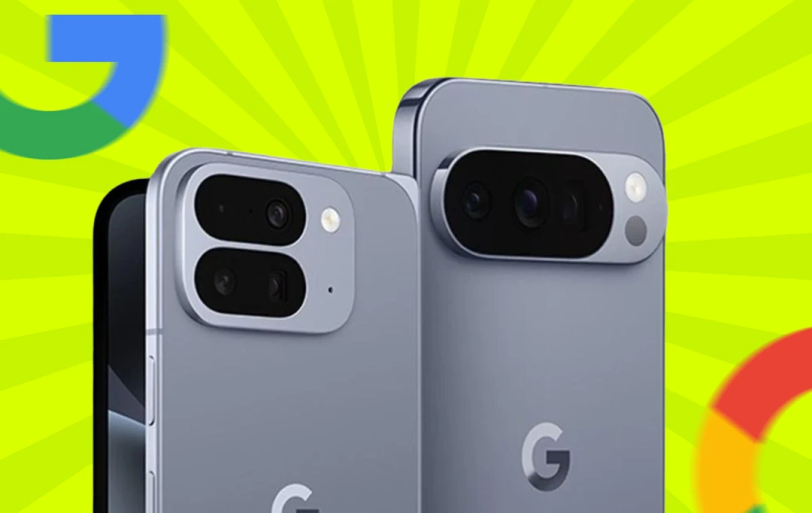
At the Made by Google 2025 event (August 20), Google introduced its 10th-generation Pixel lineup. It launched four new phones, an AI-focused smartwatch, and accessories that bring intelligence into daily use. These devices spotlight a bold invitation to think ahead, not just catch up.
The Pixel 10 is the smallest and most affordable option, priced at $799. It comes with a 6.3-inch 120Hz OLED display at 3,000 nits peak brightness, the new Tensor G5 chipset, and a triple-camera setup including a 10.8MP telephoto lens with 5x optical zoom. Google is promising seven years of OS updates and security patches out of the box.
The Pixel 10 Pro and Pixel 10 Pro XL add upgraded cameras, bigger batteries, and brighter displays. The Pro XL stretches to a 6.8-inch LTPO OLED screen, while both models start at 256GB storage and 16GB RAM. The Pixel 10 Pro is priced at $999, while the Pro XL costs $1,199.
Google also unveiled the Pixel 10 Pro Fold, which holds an IP68 rating. Plus, it's first dust- and water-resistant foldable with a 6.4-inch cover display and 8-inch main screen. It carries a U.S. price tag of $1,799.
AI was the true star of the launch. All devices ship with Gemini 2.5 Pro integration, offering features like:
As one Google executive noted, “The Pixel 10 isn’t just a phone—it’s designed to anticipate what you need before you ask.”
The Pixel Watch 4 introduces a brighter 3,000-nit Actua 360 display with slimmer bezels, powered by Snapdragon W5 Gen 2. It also improves battery life and allows quick Gemini AI interactions.
Meanwhile, new Pixel Buds bring active noise cancellation and on-the-go Gemini support, tying the ecosystem closer together.
It’s not just about spec bumps. Google’s biggest move is weaving real intelligence into everyday tools—whether that’s helping you take better photos, anticipate flight info, or keeping your device fresh for years.
For the first time, a foldable that feels rugged enough for daily use, backed by long-term updates. That’s more than an upgrade—it’s an invitation to imagine what your devices might do for you.
By Sakshi Kaushik
Sakshi Kaushik is a curious storyteller who brings clarity to the chaos of innovation. She dives into artificial intelligence, blockchain, fintech, and healthtech, turning complex concepts into content that's both insightful and easy to follow. With a knack for making tough topics feel approachable, Sakshi writes for readers who want to stay informed without getting overwhelmed. Her work is where smart meets simple—blending curiosity with clarity, and delivering tech stories that resonate in a world that never stands still.
OpenAI Is Building an Audio-First AI Model And It Wants to Put It in Your Pocket
New real-time audio model targeted for Q1 2026 alongside consumer device ambitions.
Nvidia in Advanced Talks to Acquire Israel's AI21 Labs for Up to $3 Billion
Deal would mark chipmaker's fourth major Israeli acquisition and signal shifting dynamics in enterprise AI.
Nvidia Finalizes $5 Billion Stake in Intel after FTC approval
The deal marks a significant lifeline for Intel and signals a new era of collaboration between two of America's most powerful chipmakers.
Manus Changed How AI Agents Work. Now It's Coming to 3 Billion Meta Users
The social media giant's purchase of the Singapore-based firm marks its third-largest acquisition ever, as the race for AI dominance intensifies.