#News

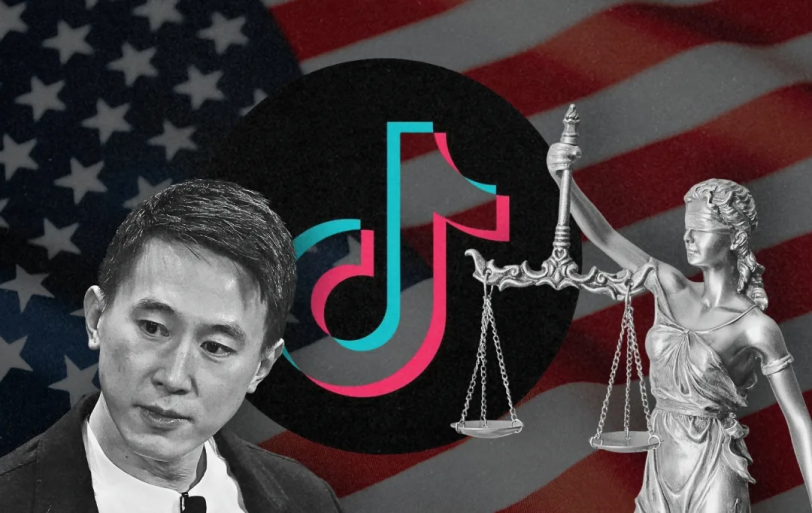
US Lawmaker John Moolenaar Raises Concerns Over TikTok Algorithm Licensing Agreement

US Lawmaker John Moolenaar Raises Concerns Over TikTok Algorithm Licensing Agreement

Date: October 17, 2025

A US lawmaker is raising concerns over the licensing deal for TikTok’s algorithm, warning it could pose serious national security risks and concerns over data privacy implications.

Republican Representative John Moolenaar, chair of the House Select Committee on China, has voiced serious concerns about the proposed licensing agreement for TikTok's algorithm. According to Moolenaar, the licensing agreement could give foreign entities, including Chinese companies, greater control over the data that drives the algorithm, potentially leading to serious national security and privacy risks. The Republican lawmaker is waiting for a detailed briefing about the deal that would allow new US owners to license the algorithm from ByteDance (TikTok’s parent company).

Speaking at a forum, Moolenaar made his position clear: "I think anytime you have China with leverage over the algorithm, I think that's a problem.” His statement comes as the White House moves forward with a framework to sell TikTok's US operations.

Trump's Executive Order and the Deal Structure

President Donald Trump signed an executive order on September 25, declaring that the plan to sell TikTok's US operations meets national security requirements. The order gave parties 120 days to complete the transaction.

Under the proposed agreement, ByteDance would hold less than 20% stake in the new US entity. The board would have seven members, with ByteDance appointing one and Americans holding the other six seats. This structure aims to comply with the 2024 law requiring ByteDance to divest its US assets.

ByteDance’s Interest in Licensing

On the other side of the debate, ByteDance has expressed its interest in the licensing agreement as a way to increase revenue and expand its algorithm’s reach. The company has argued that its technology is sophisticated and that licensing it to other companies could drive innovation across various sectors. In particular, industries like marketing, e-commerce, and even entertainment could benefit from the power of TikTok’s highly effective recommendation system.

Despite ByteDance’s pitch, lawmakers like Moolenaar remain unconvinced, pointing out that the company’s ties to China and its data-sharing practices continue to be a source of concern.

Potential Consequences of Licensing TikTok’s Algorithm

The licensing agreement is not just a commercial deal; it has far-reaching implications for tech regulation in the US. If approved, it could set a precedent for other foreign companies seeking to license critical technologies, potentially reshaping the landscape of global tech competition.

Moolenaar and others have urged the House Select Committee to conduct a thorough investigation into the potential security risks before any deal is finalized.

As discussions continue, the future of TikTok in America hangs in the balance. With national security on the line, it is clear that the licensing agreement for TikTok’s algorithm will be a subject of intense debate in the months to come. The question still remains: Can a licensing deal truly separate TikTok from Chinese control, or does it simply create an illusion of independence?

Manish

By Manish

Have newsworthy information in tech we can share with our community?

Post Project Image

Fill in the details, and our team will get back to you soon.

Contact Information
+ * =