Date: November 15, 2023
YouTube has finally taken a step in the favor of content creators by introducing new rules for Generative AI content that mimics real artists’ works.
The world of AI is just beginning, but it has already agitated a major chunk of artists for unethical use of their capabilities. From filing lawsuits to marching in protests against the non-consensual and illegal mimicking of real-world artists, humans are raging with anger against the powerful potential of Generative AI.
YouTube, an online streaming giant owned by Alphabet Inc., has introduced new rules for publishers in support of real artists. All the AI-generated content will now require pre-disclosure before uploading any video. This includes uploading manipulated or AI-generated content that mimics real personalities. YouTube has also begun cracking down on such videos that are already published on the platform.
The policy update will go live anytime around the new year and will follow strict guidelines to separate the world of GAI from actual content production. Videos that depict real-world scenarios, landscapes, or anything on similar lines will also fall under the same rule.
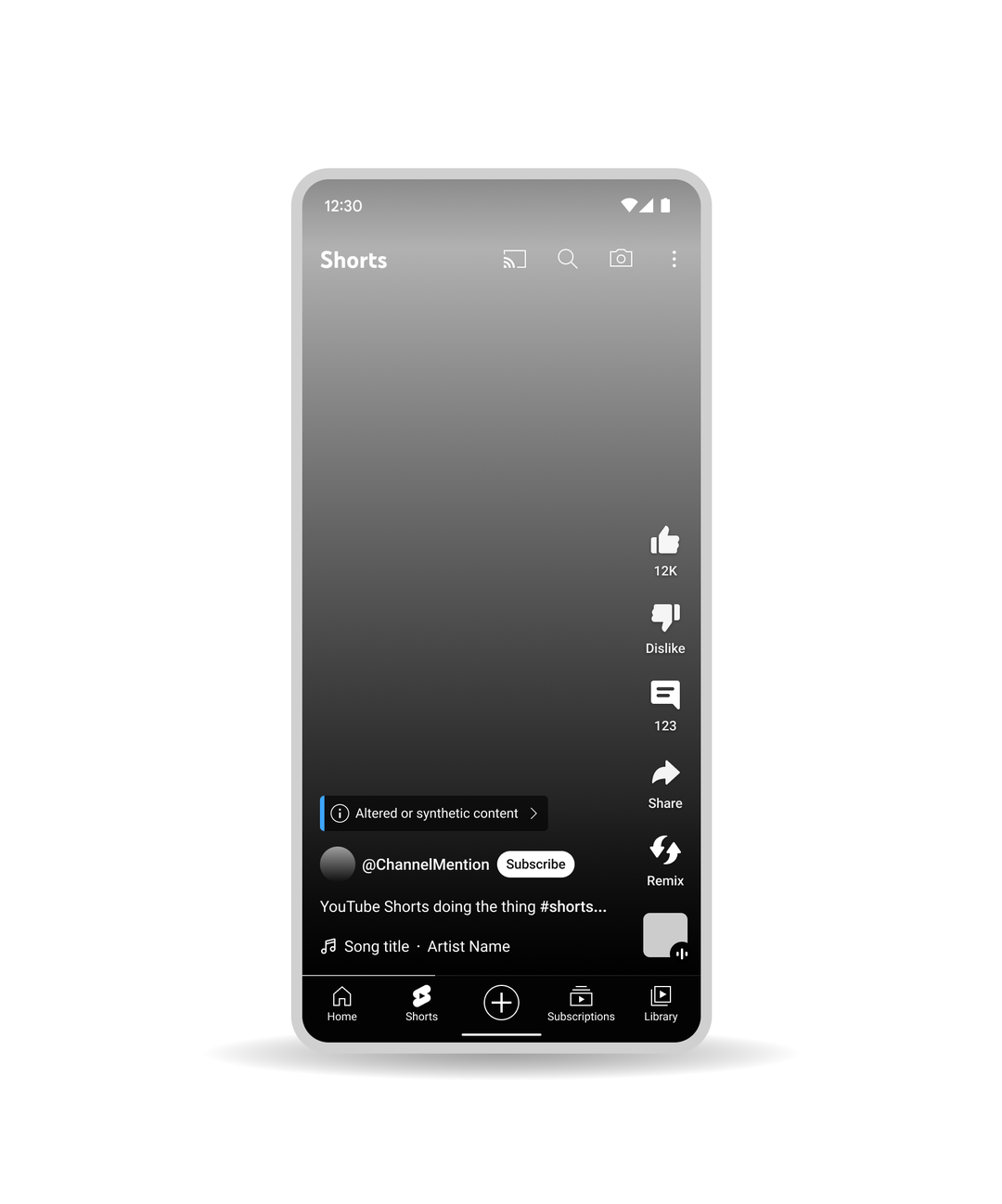
Whenever a creator posts AI-produced, AI-edited, or Generative AI content, YouTube will label them with a warning in the video description panel. For specific content pieces that cover topics around elections, public health crises, or ongoing conflicts, YouTube will show the label in a more stark manner by placing a warning label on the video player itself. It is in continuous conversations with creators to help them understand the new guidelines and how it will help keep the YouTube video community free from exploitation of someone else’s hard work. It is also working on building a strong AI detection system that will automatically detect any video that violates the new rules.

YouTube’s Malon says the platform is “investing in the tools to help us detect and accurately determine if creators have fulfilled their disclosure requirements when it comes to synthetic or altered content.
Another matter of concern that YouTube has started concentrating on is Deepfake videos. After the recent viral video and many other deepfake videos revolving on YouTube for a good amount of time, the platform has started targeting and removing such videos on priority. The automatic algorithms are still in the works; thus, manual scrutiny teams are actively engaged in those videos.
By Arpit Dubey
Arpit is a dreamer, wanderer, and tech nerd who loves to jot down tech musings and updates. With a knack for crafting compelling narratives, Arpit has a sharp specialization in everything: from Predictive Analytics to Game Development, along with artificial intelligence (AI), Cloud Computing, IoT, and let’s not forget SaaS, healthcare, and more. Arpit crafts content that’s as strategic as it is compelling. With a Logician's mind, he is always chasing sunrises and tech advancements while secretly preparing for the robot uprising.
OpenAI Is Building an Audio-First AI Model And It Wants to Put It in Your Pocket
New real-time audio model targeted for Q1 2026 alongside consumer device ambitions.
Nvidia in Advanced Talks to Acquire Israel's AI21 Labs for Up to $3 Billion
Deal would mark chipmaker's fourth major Israeli acquisition and signal shifting dynamics in enterprise AI.
Nvidia Finalizes $5 Billion Stake in Intel after FTC approval
The deal marks a significant lifeline for Intel and signals a new era of collaboration between two of America's most powerful chipmakers.
Manus Changed How AI Agents Work. Now It's Coming to 3 Billion Meta Users
The social media giant's purchase of the Singapore-based firm marks its third-largest acquisition ever, as the race for AI dominance intensifies.