Date: November 29, 2024
Android P promises to change the whole dimension of how we operate our smartphones.
Since the official release of Android P, Google has rolled out a couple of its testing previews, which have brought new features and capabilities for users and developers. A lot of new elements were infused in the Google I/O 2018, that incorporate behavior changes to help improve battery life, security, privacy and much more. Right now, Android P Beta is available for Pixel devices and few others.
If you need to experience the new version of Android OS, get Android Studio 3.1 or higher. Once you are done installing it, download the Preview SDK through the following steps:
The following are the significant tweaks that Android P is offering in its Beta version. Take a look.
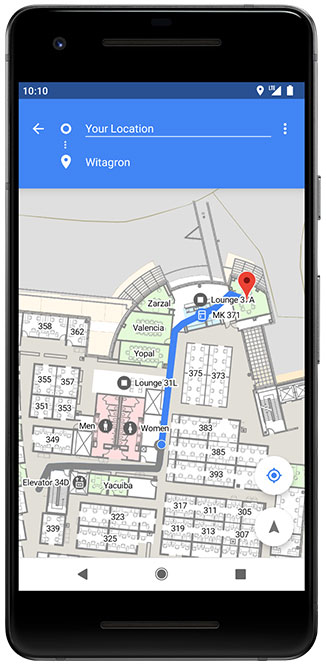
To enable you to take advantage of indoor positioning in your apps, Android P has added platform support for the IEEE 802.11mc Wi-Fi protocol, which is also called as Wi-Fi RTT (Round-Trip-Time). On all the Android P devices with hardware support, your apps can use the new RTT APIs to measure the distance to nearby RTT-capable Wi-Fi Access Points (APs). For this, the device must have location enabled, and Wi-Fi scanning turned on.

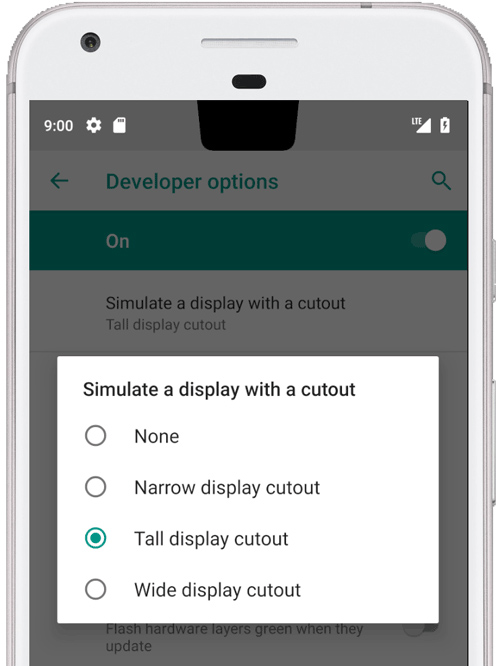
Android P offers support for the latest edge-to-edge screens with display cutout for camera and speaker. The new feature lets you find out the location and shape of the non-functional areas where content shouldn't be displayed.

Android P has introduced various enhancements to notifications. If implemented, you can pre-populate text fields in the app. Also, it supports the same suggested replies available in your messaging app and provides you with an array of standard responses to the user.

You can now access streams simultaneously from two or more physical cameras on devices running Android P. On devices with either dual-front or dual-back cameras; you can create innovative features not possible with just a single camera, such as seamless zoom, bokeh, and stereo vision. Other additions include new Session parameters that help to reduce delays during initial capture and Surface sharing.

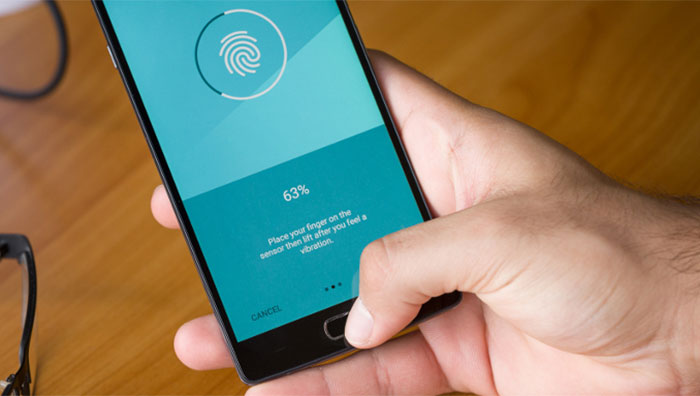
Android P has come with a number of new security features that includes a unified fingerprint authentication dialog and high-assurance user confirmation of sensitive transactions.

Android P now enables encryption of Android backups with a client-side secret. Because of this privacy measure, the device's PIN, pattern, or password is required to restore data from the backups made by the user's device.
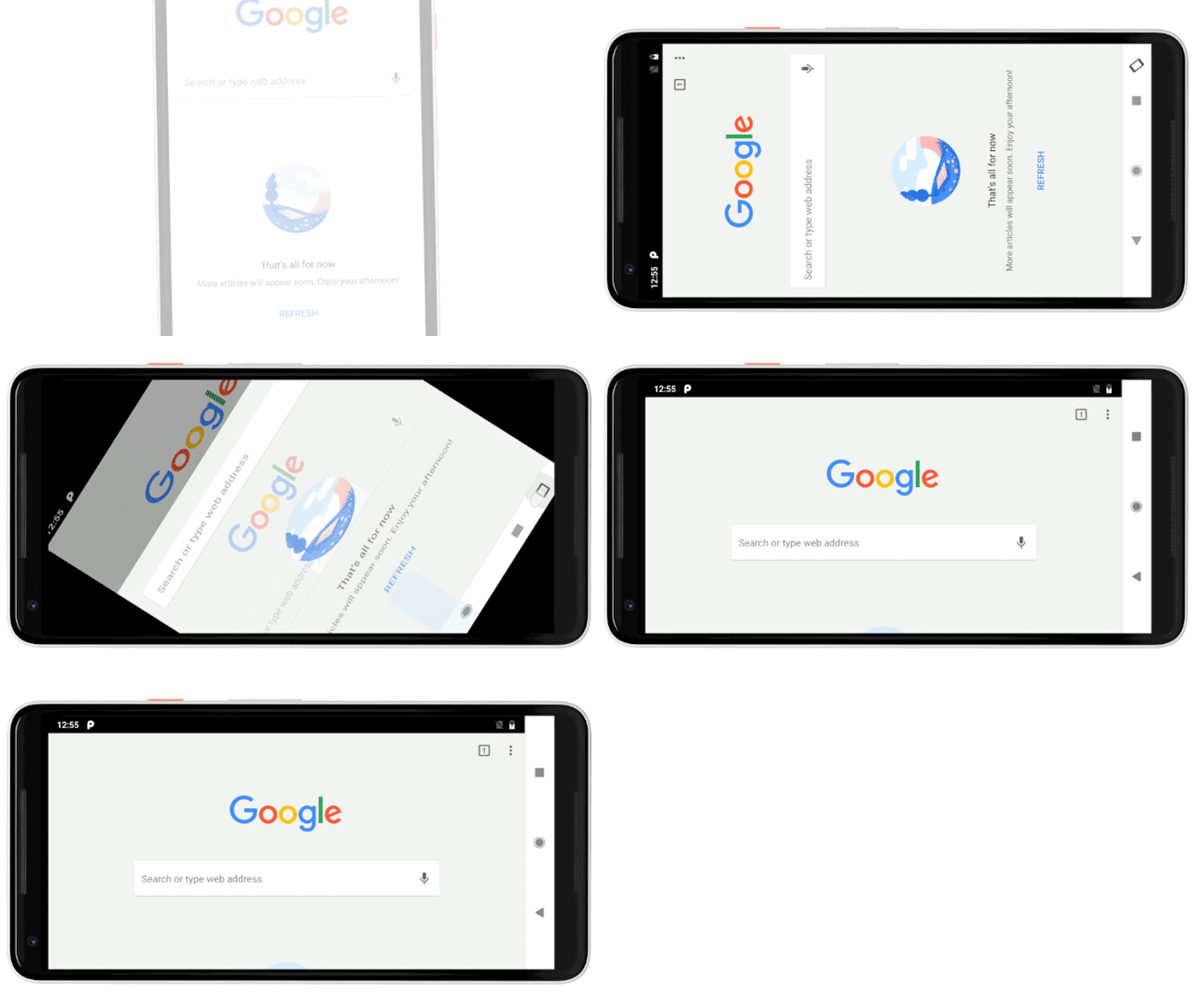
To eliminate unintentional rotations, Android P has added a new mode that pins the current orientation even if the device position changes. Users can trigger rotation manually when needed by pressing a new button in the system bar.

By Arpit Dubey
Arpit is a dreamer, wanderer, and tech nerd who loves to jot down tech musings and updates. With a knack for crafting compelling narratives, Arpit has a sharp specialization in everything: from Predictive Analytics to Game Development, along with artificial intelligence (AI), Cloud Computing, IoT, and let’s not forget SaaS, healthcare, and more. Arpit crafts content that’s as strategic as it is compelling. With a Logician's mind, he is always chasing sunrises and tech advancements while secretly preparing for the robot uprising.
OpenAI Is Building an Audio-First AI Model And It Wants to Put It in Your Pocket
New real-time audio model targeted for Q1 2026 alongside consumer device ambitions.
Nvidia in Advanced Talks to Acquire Israel's AI21 Labs for Up to $3 Billion
Deal would mark chipmaker's fourth major Israeli acquisition and signal shifting dynamics in enterprise AI.
Nvidia Finalizes $5 Billion Stake in Intel after FTC approval
The deal marks a significant lifeline for Intel and signals a new era of collaboration between two of America's most powerful chipmakers.
Manus Changed How AI Agents Work. Now It's Coming to 3 Billion Meta Users
The social media giant's purchase of the Singapore-based firm marks its third-largest acquisition ever, as the race for AI dominance intensifies.